gear shaft production challenges

Gear Shaft Production Challenges and Its Impact on Gear Shaft
Gear shaft production challenges are various obstacles and issues faced during the manufacturing process of gear shafts. As gear shafts are crucial components in various industries, including automotive, energy, agriculture, and industrial machinery, overcoming these challenges is essential to ensure efficient production and high-quality products.
Gear Shaft Production Challenges
Some of the most common gear shaft production challenges include:
1. Material Selection
The selection of the appropriate material for gear shafts is vital in ensuring their durability and longevity. However, with a wide range of materials available, such as steel, cast iron, and aluminum, selecting the right material can be challenging.
2. Design Optimization
The design of gear shafts should be optimized to ensure their proper functioning and to prevent failures. However, designing gear shafts with complex geometries and high precision can be difficult and require specialized tools and technologies.
3. Manufacturing Processes
The manufacturing process of gear shafts requires high precision and accuracy to ensure the components’ quality and reliability. However, various challenges, such as tool wear, surface finish, and dimensional accuracy, can impact the manufacturing process’s efficiency and quality.
4. Quality Control
To ensure high-quality gear shafts, it is crucial to implement strict quality control measures throughout the production process. However, ensuring consistency and reliability in the quality control process can be challenging, especially in large-scale manufacturing operations.
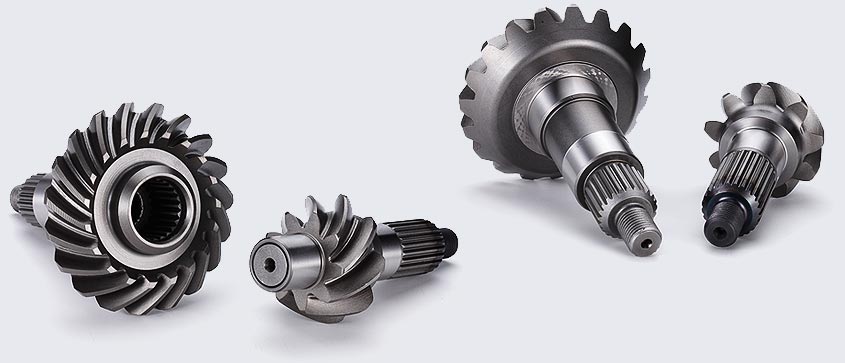
Informational Connection between Gear Shaft Production Challenges and Gear Shaft
Gear shaft production challenges can significantly impact the performance and functionality of gear shafts. The challenges faced during the manufacturing process can result in defects, failures, and reduced product lifespan, affecting the gear shaft’s overall quality and reliability.
Therefore, it is essential to address these challenges and implement effective solutions to ensure the gear shaft’s proper functioning and durability. By doing so, manufacturers can produce high-quality gear shafts that meet the industry’s demanding requirements.
Gear Shaft Performance Characteristics
Gear shafts offer several performance characteristics that make them an essential component in various industries. Some of the most notable features of gear shafts include:
1. High Torque Transmission
Gear shafts can transmit high torque levels, making them ideal for heavy-duty applications that require high force and power.
2. Efficient Power Transfer
Gear shafts offer efficient power transfer, minimizing energy losses and maximizing overall system efficiency.
3. Smooth Operation
Gear shafts can provide smooth and quiet operation, reducing noise and vibration levels and improving user comfort.
4. Precise Speed Control
Gear shafts offer precise speed control, making them ideal for applications that require accurate speed regulation and control.
5. Low Maintenance Requirements
Gear shafts require minimal maintenance, reducing downtime and improving overall system availability.
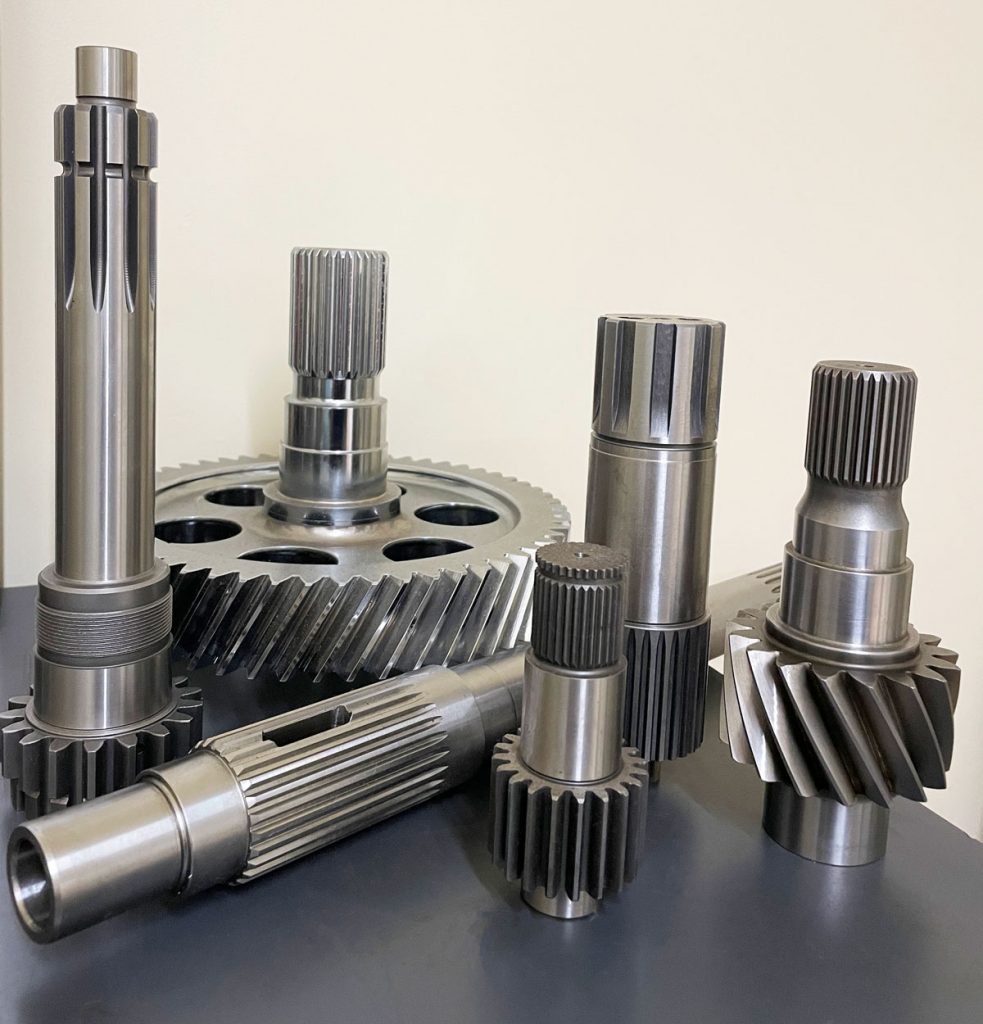
Gear Shaft Types and Characteristics
Gear shafts come in various types and designs, each with unique characteristics that make them suitable for specific applications. Some of the most common gear shaft types include:
1. Spur Gear Shafts
Spur gear shafts are cylindrical components with straight teeth that transmit power between parallel shafts. They offer high efficiency and smooth operation and are ideal for low-speed applications.
2. Helical Gear Shafts
Helical gear shafts feature angled teeth that provide smoother operation and higher load capacity than spur gear shafts. They are ideal for high-speed applications that require precise speed control.
3. Bevel Gear Shafts
Bevel gear shafts are cone-shaped components that transmit power between shafts that intersect at an angle. They offer high torque transmission and are ideal for applications that require high force and power.
4. Worm Gear Shafts
Worm gear shafts feature a threaded shaft that meshes with a worm wheel, providing high torque transmission and speed reduction. They are ideal for applications that require high force and low speed.
Each gear shaft type offers unique advantages and disadvantages, depending on the application’s specific requirements. Additionally, the choice of material used in gear shaft production can significantly impact the component’s performance and characteristics.
Gear Shaft Applications in Various Industries
Gear shafts are essential components in various industries, including:
1. Automotive Industry
Gear shafts are used in various automotive applications, including transmissions, differential gears, and drive shafts. They offer high torque transmission and precise speed control, making them ideal for vehicles that require efficient and reliable power transfer.
2. Energy Industry
Gear shafts are used in various energy-related applications, including wind turbines, hydroelectric power plants, and oil and gas drilling equipment. They offer efficient power transfer and high torque transmission, making them ideal for heavy-duty energy applications.
3. Agriculture Equipment
Gear shafts are used in various agricultural equipment, including tractors, harvesters, and cultivators. They offer high torque transmission and smooth operation, making them ideal for heavy-duty agricultural applications.
4. Industrial Machinery
Gear shafts are used in various industrial machinery, including pumps, compressors, and conveyors. They offer efficient power transfer and precise speed control, making them ideal for industrial applications that require reliable and consistent performance.
5. Transportation and Railway Industry
Gear shafts are used in various transportation and railway-related applications, including locomotives, ships, and airplanes. They offer efficient power transfer and high torque transmission, making them ideal for heavy-duty transportation applications.
Gear Shaft Future Development Trends and Opportunities
The gear shaft industry is continually evolving, with new technologies and innovations driving future growth and development. Some of the most significant trends and opportunities in gear shaft production include:
1. Shift Towards Electric Vehicles
The increasing demand for electric vehicles is driving the development of new gear shaft designs and materials that can handle higher torque levels and higher speeds while ensuring energy efficiency and reliability.
2. Industry 4.0 and Smart Manufacturing
The adoption of Industry 4.0 and smart manufacturing technologies is driving the integration of data analytics, automation, and artificial intelligence into gear shaft production processes, improving efficiency, quality, and productivity.
3. Sustainable Manufacturing
The growing focus on sustainability and environmental responsibility is driving the development of new gear shaft materials and production processes that reduce waste and energy consumption while improving product quality and durability.
4. Globalization and Market Expansion
The expanding global market for gear shafts is driving the development of new production facilities and supply chains that can meet increasing demand from diverse industries and regions worldwide.
5. Customization and Specialization
The growing demand for specialized gear shaft designs and custom solutions is driving the development of new production processes and technologies that can accommodate unique customer requirements and applications.
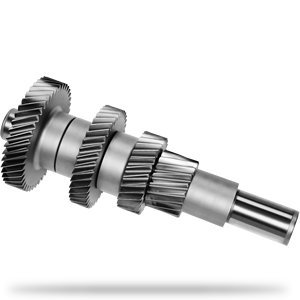
How to Choose the Right Gear Shaft
Choosing the right gear shaft is essential to ensure proper functioning and reliability of the system. Some factors to consider when selecting gear shafts include:
1. Clearly Define Requirements
It is crucial to clearly define the system’s requirements and select gear shafts that meet those requirements, including torque capacity, speed, and load requirements.
2. Material Selection
The material used in gear shaft production can significantly impact the component’s performance and durability. Consider factors such as strength, corrosion resistance, and weight when selecting materials.
3. Design Optimization
The design of gear shafts should be optimized to ensure their proper functioning and to prevent failures. Consider factors such as gear ratios, tooth profiles, and lubrication requirements when selecting gear shaft designs.
4. Supplier and After-Sales Service
Select a reputable supplier that can provide high-quality products and reliable after-sales service and support.
5. Cost-Effectiveness
Consider the overall cost-effectiveness of gear shafts, including their initial cost, maintenance requirements, and lifespan.
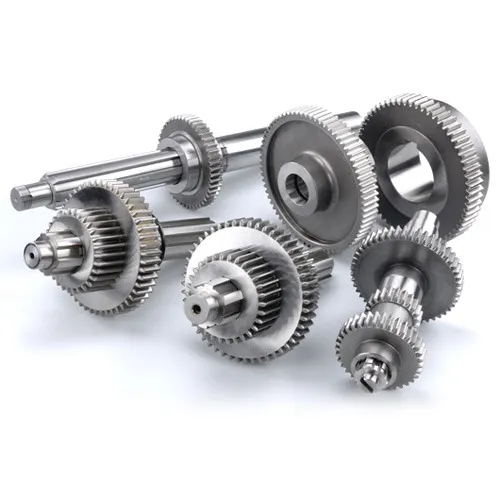
Gear Shaft Maintenance
Proper maintenance is essential to ensure the longevity and reliability of gear shafts. Some maintenance practices to consider include:
1. Regular Equipment Inspection
Regular equipment inspections can help identify potential issues before they become significant problems, reducing the risk of downtime and costly repairs.
2. Cleaning and Anti-Corrosion Treatment
Cleaning gear shafts and applying anti-corrosion treatments can help prevent rust and other forms of corrosion, ensuring the components’ longevity and reliability.
3. Lubrication and Maintenance
Gear shafts require proper lubrication to ensure smooth and efficient operation. Regular lubrication and maintenance can help prevent wear and tear, reducing the risk of failures and breakdowns.
4. Replacement of Worn Components
Worn or damaged gear shaft components should be replaced promptly to ensure proper functioning and to prevent more significant issues from arising.
5. Upgrades and Improvements
Upgrading and improving gear shaft components can help enhance their performance and functionality, improving overall system efficiency and reliability.
Why Choose Us
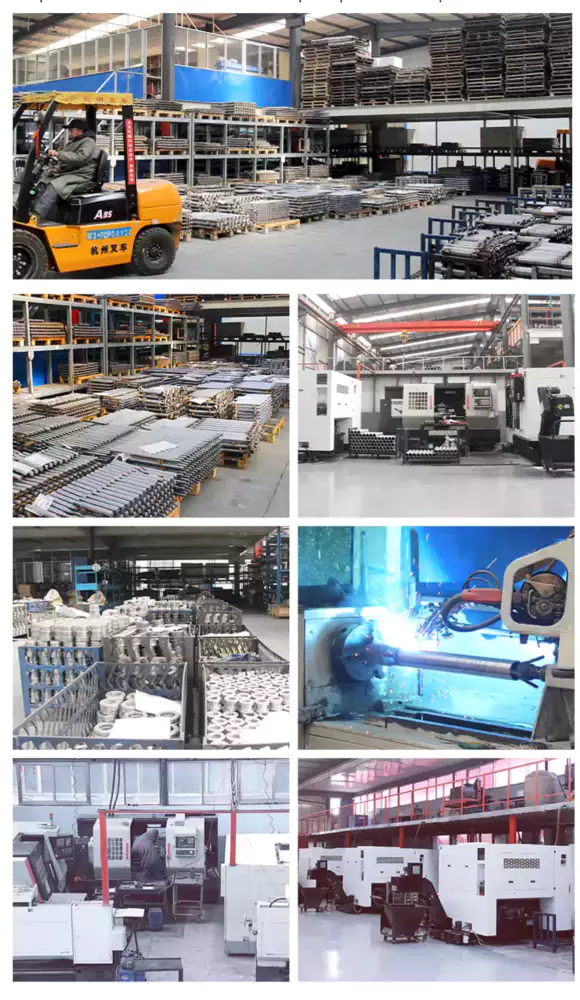
Our company specializes in the production and sale of high-quality gear shafts that meet the industry’s demanding requirements. Our products offer several advantages, including:
1. High-Quality Materials
We use only the highest quality materials in gear shaft production, ensuring their durability and longevity.
2. Advanced Manufacturing Processes
We use advanced manufacturing processes and technologies to ensure the precise and efficient production of our gear shafts.
3. Comprehensive Quality Control
We implement strict quality control measures throughout the production process, ensuring consistent and reliable product quality.
4. Customer-Centric Service
We prioritize customer satisfaction and provide comprehensive after-sales service and support to ensure our customers receive the best possible service.
5. Competitive Pricing
We offer competitive pricing for our products, ensuring our customers receive high-quality gear shafts at an affordable price.
Q&A
1. What are the most common gear shaft production challenges?
The most common gear shaft production challenges include material selection, design optimization, manufacturing processes, and quality control.
2. What are the advantages of gear shafts?
Gear shafts offer several advantages, including high torque transmission, efficient power transfer, smooth operation, precise speed control, and low maintenance requirements.
3. What industries use gear shafts?
Gear shafts are used in various industries, including automotive, energy, agriculture, industrial machinery, and transportation and railway.
4. What are the trends and opportunities in gear shaft production?
The trends and opportunities in gear shaft production include the shift towards electric vehicles, Industry 4.0 and smart manufacturing, sustainable manufacturing, globalization and market expansion, and customization and specialization.
5. How do you choose the right gear shaft?
You can choose the right gear shaft by clearly defining requirements, selecting appropriate materials, optimizing design, choosing a reputable supplier, and considering cost-effectiveness.
Author: Dream