gear shaft suppliers

Gear Shaft Suppliers: Everything You Need to Know
When it comes to gear shafts, finding the right supplier is crucial. Gear shafts are an essential component in many machines and devices, and they need to be high-quality and durable to ensure optimal performance. In this article, we’ll cover everything you need to know about gear shaft suppliers, the different types of gear shafts available, their applications in various industries, and more.
Gear Shaft Suppliers and Commercial Applications
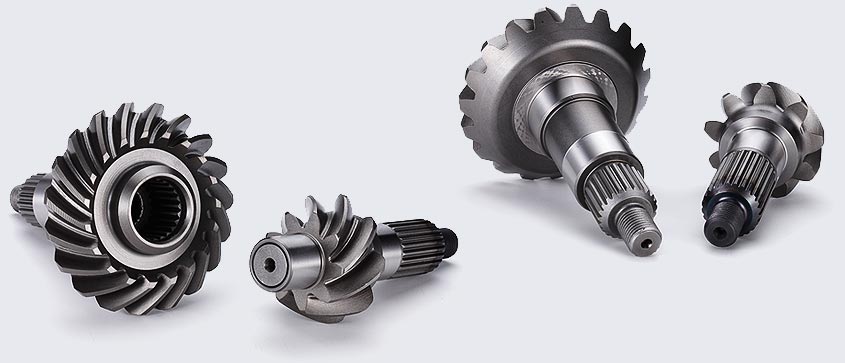
Commercial applications of gear shafts make up a large portion of the market for gear shaft suppliers. Gear shafts are used extensively in manufacturing, transportation, and energy industries, among others. For manufacturers, finding a reliable gear shaft supplier is essential to ensure that their machines operate efficiently and deliver high-quality products.
In the transportation industry, gear shafts are used in the drivetrain of vehicles to transmit power from the engine to the wheels. They are also used in the transmission to change gears and manage the speed of the vehicle. In the energy industry, gear shafts are used in wind turbines, generators, and other power generation equipment.
Gear Shaft Performance Characteristics
Gear shafts come in a variety of types and materials, each with its own performance characteristics. Some key performance characteristics of gear shafts include:
- Load capacity
- Wear resistance
- Shock resistance
- Torsional strength
- Efficiency
Load capacity refers to the amount of weight or force that a gear shaft can handle without breaking or deforming. Wear resistance refers to the ability of a gear shaft to withstand abrasion and friction, while shock resistance refers to its ability to withstand sudden impacts or vibrations.
Torsional strength is the amount of torque that a gear shaft can handle without twisting or breaking. Efficiency refers to the ratio of power that is input into the gear shaft to the power that comes out of it. High-efficiency gear shafts can help to reduce energy consumption and increase overall system performance.
Types of Gear Shafts and Their Characteristics
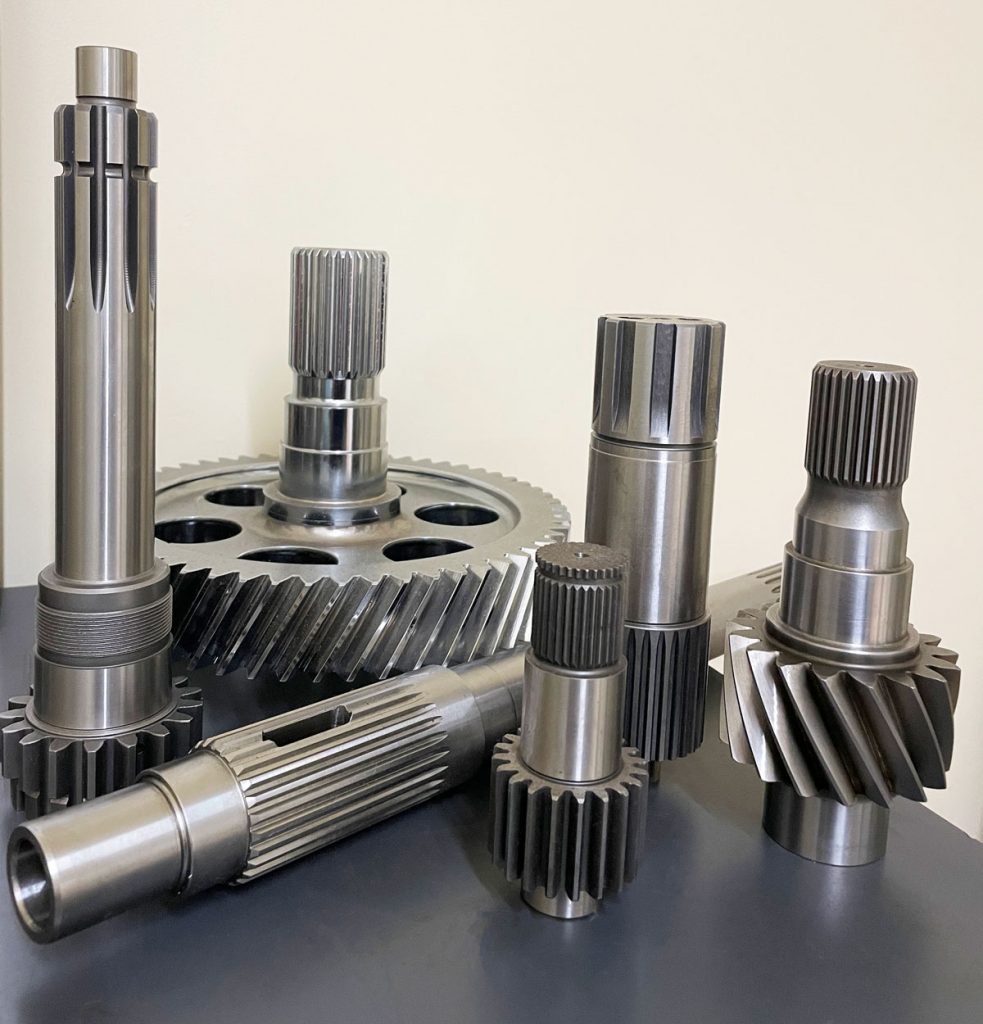
There are several different types of gear shafts, each with its own unique characteristics and applications. Some common types of gear shafts include:
- Spur gear shafts
- Helical gear shafts
- Bevel gear shafts
- Worm gear shafts
- Rack and pinion gear shafts
Spur gear shafts are the most common type and are used in a wide range of applications. They have straight teeth that run parallel to the axis of rotation and are known for their simplicity and efficiency. Helical gear shafts have angled teeth that run perpendicular to the axis of rotation and provide a smoother and quieter operation. Bevel gear shafts are used in applications that require a change in the direction of rotation, while worm gear shafts are used for high-precision applications. Rack and pinion gear shafts are used in applications that require linear motion, such as steering systems.
The material used to make a gear shaft can also impact its performance characteristics. Common materials include steel, aluminum, brass, and plastic. Steel gear shafts are strong and durable, while aluminum is lightweight and corrosion-resistant. Brass is often used for its high wear resistance, and plastic gear shafts are lightweight and cost-effective.
Gear Shaft Applications in Various Industries
Gear shafts are used in a variety of industries, including:
- Automotive
- Energy
- Agriculture
- Industrial machinery
- Transportation and railways
Automotive
In the automotive industry, gear shafts are used in the drivetrain and transmission of vehicles. They help to transmit power from the engine to the wheels and manage the speed of the vehicle. Gear shafts also play a critical role in steering and suspension systems, helping to ensure that the vehicle stays on the road and handles properly.
Energy
In the energy industry, gear shafts are used in power generation equipment such as wind turbines and generators. They help to convert mechanical energy into electrical energy, powering homes and businesses around the world.
Agriculture
In the agriculture industry, gear shafts are used in farming equipment such as tractors and harvesters. They help to power the machinery and manage the movement of the equipment, making it easier for farmers to cultivate their crops.
Industrial Machinery
Gear shafts are used extensively in industrial machinery such as pumps, compressors, and machine tools. They help to transmit power and manage the movement of the machine, ensuring that it operates efficiently and effectively.
Transportation and Railways
Gear shafts are used in the drivetrain and transmission of trains and other transport vehicles. They help to transmit power from the engine to the wheels and manage the speed and direction of the vehicle. Gear shafts also play a critical role in railway systems, helping to ensure that trains run smoothly and efficiently.
The Future of Gear Shaft Products: Trends and Opportunities
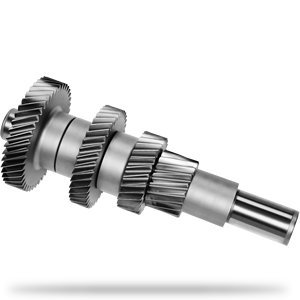
The gear shaft industry is continuously evolving, with new products and technologies emerging all the time. Some of the key trends and opportunities in the industry include:
- Increased demand for lightweight and high-strength materials
- Growing demand for energy-efficient products
- Rising demand for automation and robotics
- Increased focus on sustainability and environmental impact
- Opportunities for customization and personalized products
As the industry continues to evolve, gear shaft suppliers will need to stay ahead of the curve to remain competitive. This may involve investing in new technologies and materials, exploring new markets and applications, and focusing on sustainability and other key trends.
How to Choose the Right Gear Shaft
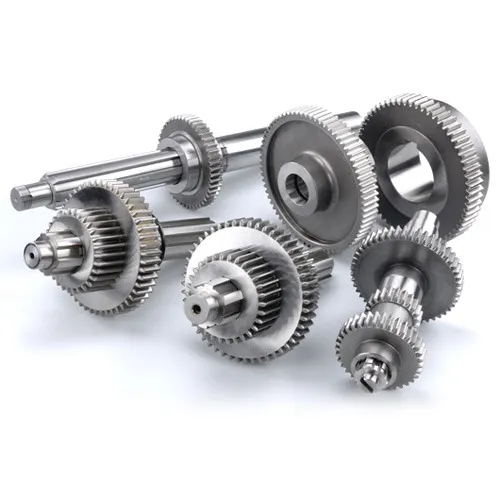
Choosing the right gear shaft is crucial to ensure optimal performance and longevity. Some key factors to consider when selecting a gear shaft include:
- Clearly define your needs and requirements
- Select the right material for your application
- Optimize the design for maximum performance
- Choose a reliable and experienced supplier
- Consider the cost-effectiveness and overall value of the product
By taking these factors into account, you can ensure that you choose a gear shaft that meets your needs and delivers optimal performance in your application.
Gear Shaft Maintenance
To ensure the longevity and performance of your gear shaft, proper maintenance is essential. Some key maintenance activities include:
- Regular equipment inspections
- Cleaning and corrosion prevention
- Lubrication and maintenance
- Replacing worn or damaged parts
- Upgrading and improving the system
By following these maintenance activities, you can extend the life of your gear shaft and ensure that it continues to operate efficiently for years to come.
Why Choose Us
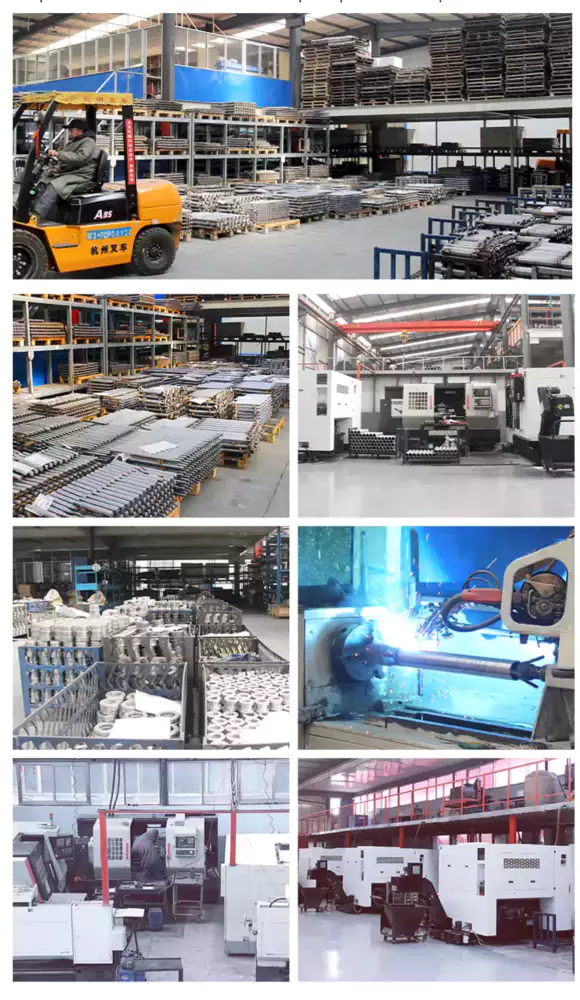
At our company, we specialize in the design, manufacture, and supply of high-quality gear shafts for a wide range of applications. Our products are known for their durability, reliability, and efficiency, and we offer a range of customization options to meet the unique needs of our customers.
Some key advantages of our products and services include:
- High-quality materials and advanced manufacturing processes
- Expert engineering and design support
- Customizable products to meet your unique needs
- Reliable and timely delivery
- Competitive pricing and excellent value
With our commitment to quality and customer satisfaction, we are confident that we can provide you with the gear shaft solutions you need to power your machines and applications.
Q&A
1. What is the load capacity of a gear shaft?
The load capacity of a gear shaft depends on several factors, including the material used, the design of the gear teeth, and the size and shape of the shaft. Generally speaking, gear shafts are designed to handle a specific amount of weight or force, and this information should be available from the manufacturer.
2. What is the difference between a spur gear shaft and a helical gear shaft?
A spur gear shaft has straight teeth that run parallel to the axis of rotation, while a helical gear shaft has angled teeth that run perpendicular to the axis of rotation. Helical gear shafts provide a smoother and quieter operation than spur gear shafts, but they can also be more complex and expensive to manufacture.
3. How do I choose the right gear shaft for my application?
Choosing the right gear shaft requires a careful analysis of your specific needs and requirements. Some key factors to consider include the type of application, the load capacity required, the speed and torque requirements, and the environmental conditions in which the shaft will be operating. It is also important to select a reputable and experienced gear shaft supplier to ensure that you receive a high-quality product that meets your unique needs.
4. How often should I perform maintenance on my gear shaft?
The frequency of maintenance for your gear shaft will depend on the specific application and operating conditions. However, as a general rule, it is recommended to perform regular inspections and maintenance activities on a quarterly or annual basis to ensure optimal performance and longevity.
5. What customization options are available for gear shafts?
Customization options for gear shafts can include a variety of factors, including the materials used, the size and shape of the shaft, and the design of the gear teeth. Some gear shaft suppliers may also offer customized coatings or surface treatments to enhance the performance of the shaft in specific applications.
Author: Dream