gear shaft testing methods

Gear Shaft Testing Methods and their Relation to Gear Shaft
Gear shaft testing methods are crucial for ensuring the optimal performance and reliability of gear shafts. Various testing methods are used to identify design weaknesses, defects, and other issues that may impair gear shaft performance. The testing methods also help in verifying manufacturing processes and ensuring that gear shafts meet the required specifications.
Gear Shaft Testing Methods
Magnetic Particle Inspection
Magnetic particle inspection is a non-destructive testing method that uses magnetic fields and iron oxide particles to detect surface and slightly subsurface discontinuities in gear shafts. This method is widely used because it is fast, efficient, and relatively inexpensive. It is particularly useful in detecting cracks, seams, laps, and other surface defects that can lead to gear shaft failure.

Dye Penetrant Inspection
Dye penetrant inspection is another non-destructive testing method that is used to detect surface and near-surface defects in gear shafts. This method involves the application of a dye to the surface of the gear shaft, which seeps into the defects. The excess dye is then wiped off, and a developer is applied to make the dye visible. This method is particularly useful for detecting surface cracks, pits, and corrosion.
Ultrasonic Testing
Ultrasonic testing is a non-destructive testing method that uses high-frequency sound waves to detect internal defects such as cracks, porosity, and inclusions. This method is particularly useful for detecting defects that are not visible on the surface of the gear shaft. Ultrasonic testing can also be used to measure the thickness of the gear shaft walls and the depth of any defects.
X-ray Radiography
X-ray radiography is a non-destructive testing method that uses X-rays to produce images of the internal structure of gear shafts. This method is particularly useful for detecting internal defects such as porosity, inclusions, and cracks. It is also useful in verifying the integrity of welds and detecting any internal corrosion.
Gear Shaft Informational Connection
Gear shafts play an essential role in many mechanical systems, including automotive engines, industrial machinery, and agricultural equipment. Using the right gear shaft testing methods can help ensure that these systems operate efficiently and reliably. Gear shafts are used to transmit torque and power between different parts of the system. They are designed to withstand high loads and stresses and to operate at high speeds.
Gear Shaft Performance Characteristics
Gear shafts come in a variety of designs and sizes, each with its unique performance characteristics. Some of the key performance characteristics of gear shafts include their strength, durability, and wear resistance. Gear shafts are also designed to operate smoothly and quietly, with minimal vibration and noise.
Other key performance characteristics of gear shafts include their ability to transmit torque and power efficiently, their ability to operate at high speeds, and their resistance to bending and torsion. Gear shafts must also be able to withstand high temperatures and pressures without deforming or failing.

Gear Shaft Applications
Gear shafts are used in a wide range of applications across multiple industries, including:
Automotive Industry
Gear shafts are used in automotive engines and transmissions to transmit power and torque between different parts of the system. They are also used in steering systems and suspension systems.
Energy Industry
Gear shafts are used in wind turbines, hydroelectric generators, and other energy systems to transmit power between different components of the system.
Agricultural Equipment
Gear shafts are used in agricultural equipment such as tractors and combines to transmit power and torque to different parts of the system.
Industrial Machinery
Gear shafts are used in industrial machinery such as pumps, compressors, and conveyors to transmit power between different parts of the system.
Transportation and Railway Industry
Gear shafts are used in transportation and railway systems to transmit power between different parts of the system, including engines, transmissions, and wheels.
Gear Shaft Future Development Trends and Opportunities
The gear shaft industry is continuously evolving to meet the changing needs of different industries. Some of the key trends and opportunities in the gear shaft industry include:
Advancements in Gear Design
New gear designs are being developed to improve performance and efficiency. These designs include helical gears, bevel gears, and hypoid gears.
Increased Use of Composite Materials
Composite materials such as carbon fiber are being used to make gear shafts that are lighter, stronger, and more durable.
Increased Automation in Manufacturing
Automation is being used to increase the efficiency and accuracy of gear shaft manufacturing, reducing costs and improving quality.
Increased Demand for Energy-Efficient Gear Systems
As energy costs continue to rise, there is an increased demand for energy-efficient gear systems that can reduce energy consumption and save money.

Choosing the Right Gear Shaft
Choosing the right gear shaft involves several factors, including:
Understanding Requirements
It is essential to understand the requirements of the gear system to choose the right gear shaft. This includes the torque and power requirements, speed, and other factors.
Material Selection
The material of the gear shaft must be carefully chosen based on the application requirements. Different materials have different properties, including strength, wear resistance, and corrosion resistance.
Design Optimization
The design of the gear shaft must be optimized to ensure optimal performance. This includes considerations such as gear geometry, tooth profile, and surface finish.
Supplier and After-Sales Service
Choosing the right supplier is crucial for ensuring the quality and reliability of gear shafts. After-sales service is also essential for ensuring that any issues are addressed promptly and effectively.
Cost-Effectiveness
Cost-effectiveness is also an essential factor in choosing the right gear shaft. The gear shaft must be affordable while still meeting the required performance specifications.

Gear Shaft Maintenance
Maintaining gear shafts is crucial for ensuring optimal performance and longevity. Some of the key maintenance activities for gear shafts include:
Regular Equipment Inspection
Gear shafts must be inspected regularly to identify any defects or issues that may impair performance. This includes inspections for wear, damage, and corrosion.
Cleaning and Corrosion Prevention
Gear shafts must be kept clean and well-lubricated to prevent corrosion and other issues. Anti-corrosion measures must also be taken to protect the gear shaft from environmental factors such as moisture and salt.
Lubrication and Maintenance
Gear shafts must be lubricated regularly to prevent wear and reduce friction. Proper lubrication can also help extend the life of the gear shaft.
Replacing Worn Parts
Worn or damaged gear shaft parts must be replaced promptly to prevent further damage and ensure optimal performance.
Improving and Upgrading
Improvements and upgrades can be made to gear shafts to improve their performance and extend their life. These include modifications to the gear design, material upgrades, and surface treatments.
Why Choose Us?
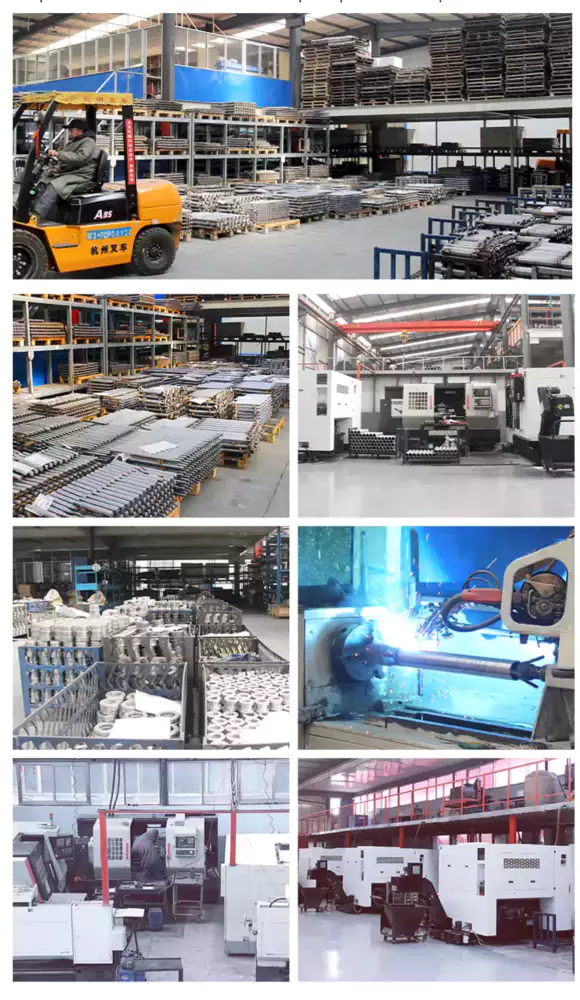
We are a leading manufacturer and supplier of high-quality gear shafts for a wide range of applications. Our products are carefully designed and manufactured to meet the highest industry standards for quality and performance.
Some of the key advantages of choosing our products and services include:
High-Quality Products
Our gear shafts are manufactured using the highest quality materials and manufacturing processes, ensuring optimal performance and reliability.
Customization Options
We offer a wide range of customization options to meet the specific needs of our customers. This includes custom designs, sizes, and materials.
Competitive Pricing
We offer competitive pricing on all our products and services, ensuring that our customers receive the best value for their investment.
Expert Technical Support
Our team of expert engineers and technicians can provide technical support and advice on gear shaft selection, design, and maintenance.
Quick Turnaround Times
We offer quick turnaround times on all our orders, ensuring that our customers receive their gear shafts when they need them.
Q&A
1. What are some of the key factors to consider when choosing the right gear shaft?
Some of the key factors to consider when choosing the right gear shaft include understanding the requirements of the gear system, material selection, design optimization, supplier and after-sales service, and cost-effectiveness.
2. What are some of the common applications for gear shafts?
Gear shafts are commonly used in automotive engines, industrial machinery, agricultural equipment, and transportation and railway systems.
3. What are some of the key performance characteristics of gear shafts?
Some of the key performance characteristics of gear shafts include their strength, durability, wear resistance, ability to transmit power efficiently, resistance to bending and torsion, and ability to operate smoothly and quietly.
4. What are some of the maintenance activities for gear shafts?
Some of the maintenance activities for gear shafts include regular equipment inspection, cleaning and corrosion prevention, lubrication and maintenance, replacing worn parts, and improving and upgrading.
5. What are some of the advantages of choosing our products and services?
Some of the advantages of choosing our products and services include high-quality products, customization options, competitive pricing, expert technical support, and quick turnaround times.
Author: Dream