Gear wheel industry standards

Gear Wheel Industry Standards: Understanding the Relationship with Gear Wheels
Introduction to Gear Wheel Industry Standards
Gear wheel industry standards are crucial benchmarks that ensure the quality and consistency of gear wheels across various applications. These standards are developed by organizations such as the American Gear Manufacturers Association (AGMA) and the International Organization for Standardization (ISO). They cover aspects such as material requirements, manufacturing processes, and performance criteria.
Historical Evolution of Gear Wheel Standards
The development of gear wheel standards has a rich history, evolving alongside industrial advancements. Initially, standards focused on basic geometric tolerances. Over time, they incorporated sophisticated attributes such as heat treatment protocols and surface finishing techniques. This evolution has been pivotal in enhancing the reliability and longevity of gear wheels.
Key Organizations Setting Gear Wheel Standards
Several key organizations are involved in setting gear wheel standards. AGMA and ISO are two prominent entities leading in this field. AGMA focuses on North American standards, while ISO provides internationally recognized frameworks. Both organizations ensure that gear wheels meet stringent requirements for safety and efficiency.
Importance of Compliance with Gear Wheel Standards
Compliance with gear wheel standards is essential for manufacturers and end-users. Adhering to these standards guarantees that gear wheels can withstand operational stresses and perform optimally. It also ensures compatibility in assembly lines and across different machinery, reducing the likelihood of mechanical failures.
Types of Gear Wheel Standards
Gear wheel standards can be broadly categorized into design standards, material standards, and manufacturing standards. Design standards specify the geometrical and dimensional requirements. Material standards dictate the properties of metals or composites used. Manufacturing standards outline the processes and quality control measures to be followed during production.
Gear Wheel Industry Standards and Gear Wheel Relationship
Industry standards play a critical role in the development and application of gear wheels. Standards ensure that gear wheels are manufactured with precision and consistency, which is fundamental for their performance. By adhering to these standards, manufacturers can produce gear wheels that meet specific load and speed requirements, thereby ensuring reliability and efficiency in various applications.

Performance Characteristics of Gear Wheels
Gear wheels exhibit several performance characteristics that are vital for their functionality. These include:
- Load Capacity: The ability to transmit and withstand forces without failure.
- Efficiency: The ratio of the output to input power, indicating energy losses.
- Durability: The lifespan and resistance to wear and fatigue.
- Noise Levels: The amount of noise generated during operation.
- Thermal Stability: The capability to maintain performance under temperature variations.
Types of Gear Wheels and Their Properties
Gear wheels come in various types, each with distinct properties:
- Spur Gears: Simple design, high efficiency, used in low-speed applications.
- Helical Gears: Angled teeth, smoother operation, suitable for high-speed applications.
- Bevel Gears: Conical shape, transmit power between intersecting shafts.
- Worm Gears: High reduction ratios, used in compact spaces and for precise control.
- Planetary Gears: High torque transmission, balanced load distribution.
Different materials used in gear wheels also offer various advantages:
- Steel: High strength and durability, suitable for heavy-duty applications.
- Brass: Good corrosion resistance, used in low-load applications.
- Plastic: Lightweight, quiet operation, suitable for consumer electronics.

Applications of Gear Wheels Across Various Industries
Gear wheels have extensive applications across multiple industries, demonstrating their versatility and importance:
- Automotive Industry: Essential in transmissions, differentials, and power steering systems.
- Aerospace Industry: Used in landing gear systems, flight controls, and engine gearboxes.
- Marine Industry: Critical for propulsion systems, steering mechanisms, and deck machinery.
- Energy Sector: Utilized in wind turbines, hydroelectric dams, and oil drilling equipment.
- Agriculture: Integral to machinery such as tractors, combine harvesters, and plowing systems.
Future Trends and Opportunities in the Gear Wheel Industry
The gear wheel industry is poised for significant advancements and opportunities:
- Technological Innovations: Adoption of advanced manufacturing techniques such as 3D printing for custom gears.
- Material Science Advances: Development of new alloys and composites for improved performance and durability.
- Energy Efficiency: Designing gear wheels that enhance energy efficiency in various systems.
- Automation: Increased use of automated manufacturing processes for precision and consistency.
- Global Expansion: Growing demand in emerging markets, driven by industrialization and modernization.

How to Choose the Right Gear Wheel
Selecting the appropriate gear wheel involves several considerations:
- Identify Requirements: Specify load, speed, and environmental conditions for the application.
- Material Selection: Choose materials based on strength, durability, and compatibility with the application.
- Design Optimization: Ensure the gear design meets performance criteria and minimizes stress concentrations.
- Supplier Evaluation: Select reputable suppliers with a track record of quality and reliability.
- Cost-Benefit Analysis: Balance the cost of the gear wheel against its expected performance and lifespan.
- Quality Control: Implement stringent quality checks to ensure conformity with industry standards.

Maintaining Gear Wheels
Proper maintenance of gear wheels is essential for ensuring their longevity and performance:
- Regular Inspections: Conduct periodic checks to identify wear and potential issues.
- Cleaning and Corrosion Prevention: Keep gear wheels clean and apply anti-corrosive coatings as needed.
- Lubrication and Care: Use appropriate lubricants to reduce friction and wear.
- Replacing Worn Parts: Timely replacement of worn or damaged components to prevent system failures.
- Upgrades and Improvements: Implement technological upgrades to enhance performance and efficiency.
Why Choose Ever Power
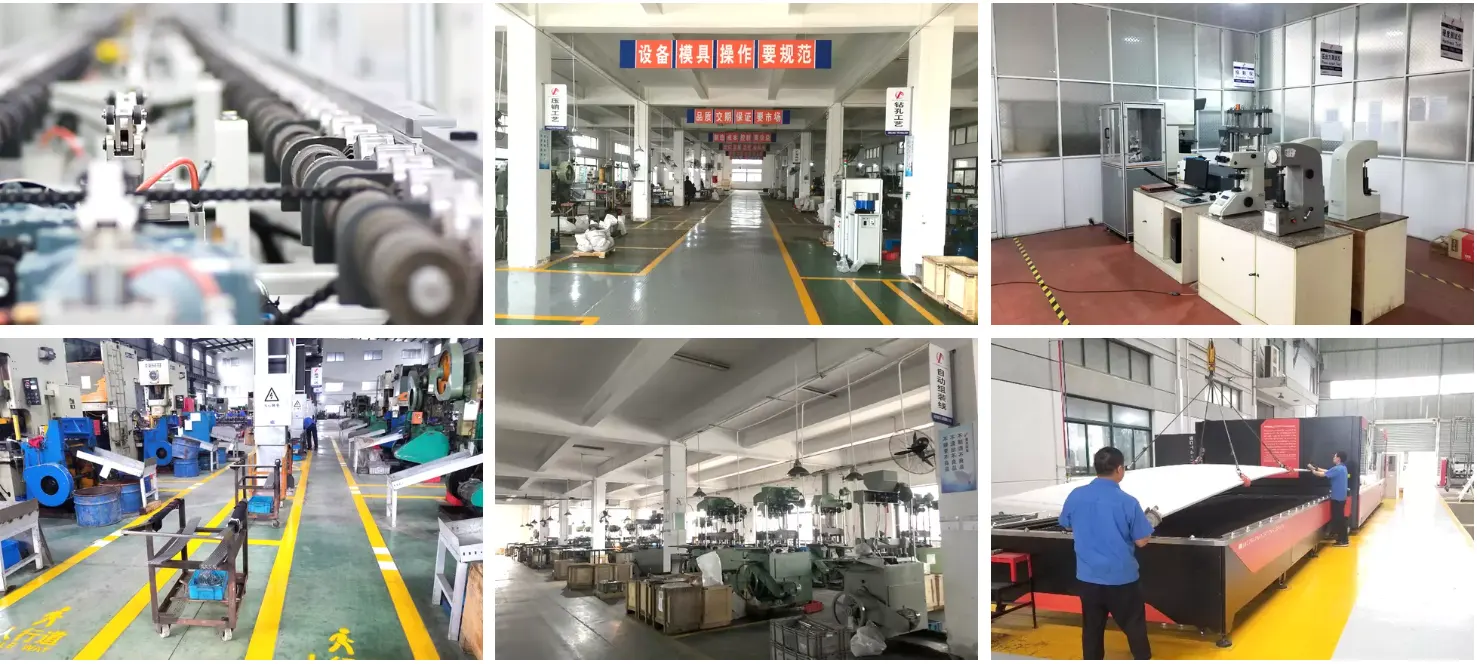
Ever Power specializes in the production and sale of high-quality gear wheels. We offer several advantages that make us the preferred choice for customers:
- Expertise and Experience: Over decades of industry experience, ensuring top-notch product quality and innovation.
- Comprehensive Product Range: A wide variety of gear wheels to meet diverse application needs.
- Advanced Manufacturing Techniques: Utilization of cutting-edge technology for precision and efficiency in production.
- Stringent Quality Control: Rigorous testing and inspection processes to guarantee product reliability.
- Exceptional Customer Service: Dedicated support team providing personalized assistance and after-sales service.
Frequently Asked Questions
- What are the main standards governing gear wheels? AGMA and ISO are the primary organizations that set the standards for gear wheels.
- How do gear wheel standards benefit manufacturers? Standards ensure consistency, reliability, and compatibility in gear wheel production.
- What types of gear wheels are available? Spur gears, helical gears, bevel gears, worm gears, and planetary gears are common types.
- Which materials are used in gear wheels? Gear wheels can be made from steel, brass, and plastic, each offering specific advantages.
- How can I maintain my gear wheels effectively? Regular inspections, proper cleaning, lubrication, and timely replacement of worn parts are key maintenance practices.
Author: Dream