Gear wheel noise reduction methods

Gear Wheel Noise Reduction Methods
Introduction to Gear Wheel Noise Reduction Methods
In the realm of mechanical engineering, gear wheels are indispensable components used in a myriad of applications. However, one of the common challenges associated with gear wheels is noise generation. This article explores various methods to reduce gear wheel noise, enhancing performance and user experience.
Vibration Dampening Techniques
Vibration dampening is a paramount method to reduce noise in gear systems. By incorporating dampening materials such as rubber or specialized polymers, it’s possible to mitigate vibrations that contribute to noise. These materials act as buffers, absorbing the energy that would otherwise manifest as sound.
Precision Manufacturing
Ensuring the precision of gear manufacturing is crucial for noise reduction. Higher precision in gear tooth profiles reduces the likelihood of misalignment, which is a primary cause of noise. Advanced CNC machines and meticulous quality control processes are employed to achieve this level of precision.
Optimized Gear Design
Design optimization plays a significant role in noise reduction. By designing gears with optimized tooth geometry, it’s possible to minimize the contact area and, consequently, the noise generated. Helical gears, for instance, are known for their quieter operation compared to spur gears due to their inclined teeth.
Lubrication Techniques
Effective lubrication is essential in reducing noise. Lubricants create a thin film between gear teeth, reducing friction and the resultant noise. The choice of lubricant and its proper application can significantly affect the noise levels of gear systems.
Material Selection
The material of the gear wheel impacts its noise characteristics. Composite materials and specialized alloys can absorb noise better than traditional steel gears. The right material can thus play a critical role in noise attenuation.
Gear Profiling
Profile modification involves altering the gear tooth profile to improve the meshing characteristics. Methods such as profile crowning or tooth rounding are employed to achieve smoother engagement, thereby reducing noise.
Acoustic Enclosures
Enclosing the gear system within an acoustic enclosure can significantly reduce noise transmission. These enclosures are designed with sound-absorbing materials that contain and dampen the noise emitted from the gear operation.
Balancing and Alignment
Proper balancing and alignment of gear wheels ensure that forces are evenly distributed across the teeth during operation. Misalignments can cause uneven load distribution, leading to noise. Regular maintenance and alignment checks are vital for noise reduction.
Advanced Gear Coatings
Advanced coatings like diamond-like carbon (DLC) can be applied to gear surfaces to reduce friction and wear, resulting in quieter operations. These coatings enhance the surface finish and reduce the direct contact between metal surfaces.
Gear Wheel Noise Reduction Methods and Gear Wheel Relationship
Noise reduction methods are intrinsically linked to the performance and longevity of gear wheels. Reducing noise not only improves the operational environment but also extends the lifespan of the gear wheels by reducing wear and tear. Employing a combination of the above methods ensures optimal performance and reliability of the gear system.

Performance Characteristics of Gear Wheels
- High Transmission Efficiency: Gear wheels are known for their high efficiency in transmitting mechanical power with minimal loss.
- Durability: Made from robust materials, gear wheels are designed to withstand high loads and harsh conditions.
- Precision: The precision manufacturing of gear wheels ensures smooth operation and reduced wear.
- Versatility: Gear wheels can be used in various applications, from industrial machinery to consumer electronics.
- Customization: Gear wheels can be tailored to specific requirements, including size, material, and design.
Types of Gear Wheels and Their Characteristics

Gear wheels come in various types, each with distinct advantages:
- Spur Gears: Known for their simplicity and efficiency in transmitting power between parallel shafts.
- Helical Gears: Quieter and can carry more load compared to spur gears, suitable for high-speed applications.
- Bevel Gears: Used to transmit power between intersecting shafts, ideal for right-angle drives.
- Worm Gears: Provide high reduction ratios and are self-locking, preventing back driving.
- Planetary Gears: Offer compact design and high torque transmission, commonly used in automotive transmissions.
The choice of material further enhances the characteristics:
- Steel: High strength and durability, suitable for heavy-duty applications.
- Plastic: Lightweight and corrosion-resistant, ideal for applications where weight is a concern.
- Brass: Good machinability and resistance to wear, used in precision instruments.
- Composite Materials: Combine the benefits of metal and plastic, offering high performance and noise reduction.
Applications of Gear Wheels in Various Fields
Gear wheels are pivotal in numerous industries, showcasing their versatility and importance:
- Automotive Industry: Gear wheels are integral in transmissions, differentials, and steering systems, ensuring smooth and efficient vehicle operation.
- Aerospace Industry: Used in engine systems and control mechanisms, gear wheels contribute to the reliability and safety of aircraft.
- Marine Industry: Gear wheels are essential in propulsion systems and onboard machinery, providing reliable performance in harsh marine environments.
- Energy Sector: In wind turbines and other power generation equipment, gear wheels play a critical role in converting mechanical energy into electrical power.
- Agriculture: Gear wheels are used in various agricultural machinery, such as tractors and harvesters, enhancing productivity and efficiency.
Future Development Trends and Opportunities for Gear Wheel Products

The future of gear wheel technology is brimming with opportunities for innovation and growth:
- Advanced Materials: The development of new materials, such as carbon fiber composites, will enhance the performance and longevity of gear wheels.
- Digital Manufacturing: The integration of digital technologies in manufacturing processes will enable greater precision and customization of gear wheels.
- Smart Gears: Embedding sensors in gear wheels can provide real-time monitoring of performance and predictive maintenance capabilities.
- Eco-friendly Designs: Focus on sustainability will drive the development of eco-friendly gear wheel designs and materials.
- Global Expansion: The growing demand for gear wheels in emerging markets presents significant opportunities for industry expansion.
Choosing the Right Gear Wheel

Selecting the appropriate gear wheel necessitates a careful evaluation of several factors:
- Define Requirements: Clearly outline the operational requirements, including load, speed, and environmental conditions.
- Material Selection: Choose a material that meets the performance criteria and environmental conditions of the application.
- Design Optimization: Work with engineers to optimize the gear design for efficiency, noise reduction, and durability.
- Supplier and After-Sales Service: Choose a reputable supplier who offers comprehensive after-sales support and services.
- Cost-Effectiveness: Balance the cost of the gear wheel with its performance and lifespan to ensure value for money.
- Quality Control: Ensure the gear wheel undergoes stringent quality control processes to maintain high standards.
Maintaining Gear Wheels
Proper maintenance of gear wheels is essential to ensure their longevity and optimal performance:
- Regular Inspections: Conduct periodic inspections to identify and address any signs of wear or damage.
- Cleaning and Corrosion Prevention: Keep gear wheels clean and apply anti-corrosion measures to prolong their lifespan.
- Lubrication and Maintenance: Regularly lubricate gear wheels to reduce friction and prevent wear.
- Replacing Worn Parts: Replace any worn or damaged parts promptly to avoid further damage and maintain efficiency.
- Upgrades and Improvements: Consider upgrading to advanced materials or designs to enhance performance and reduce noise.
Why Choose Ever Power
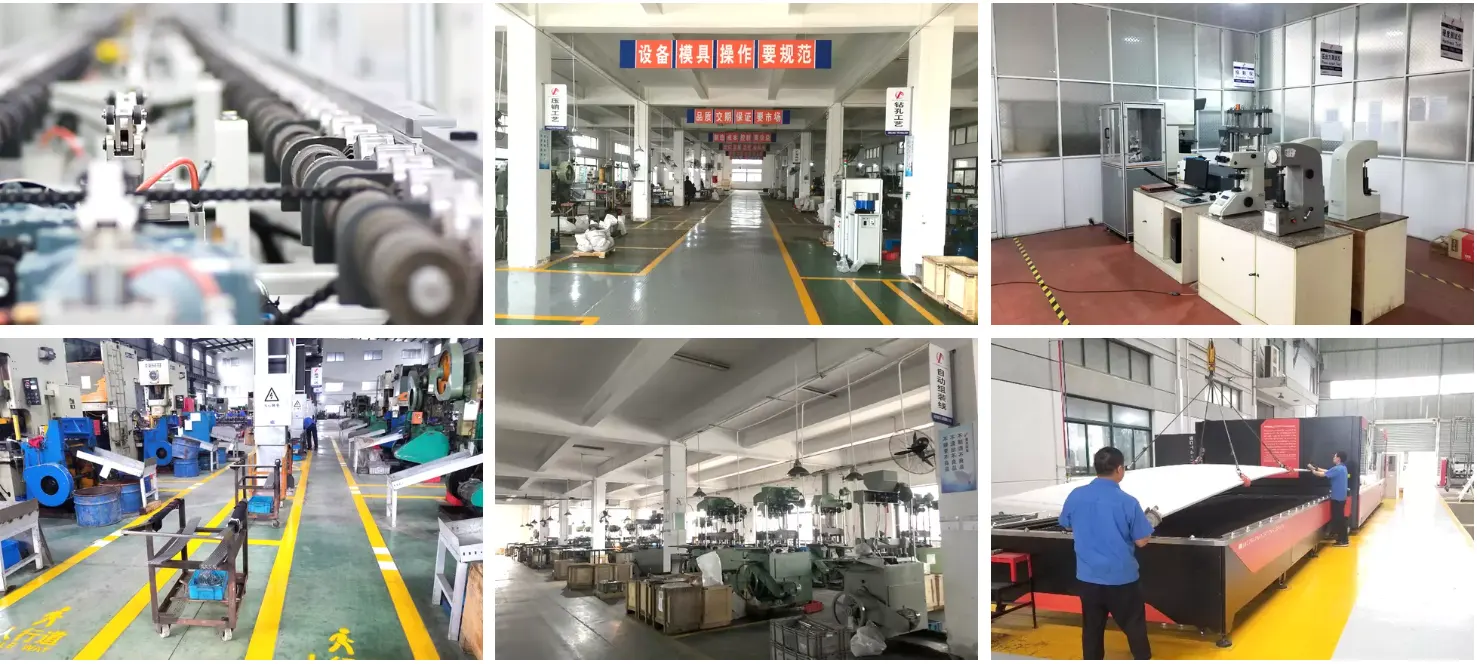
Ever Power specializes in the production and sale of high-quality gear wheels. Here are five reasons to choose Ever Power:
- Expertise: With years of experience in the industry, Ever Power possesses unparalleled expertise in gear wheel design and manufacturing.
- Quality Assurance: We adhere to stringent quality control processes, ensuring that every gear wheel meets the highest standards.
- Innovative Solutions: We leverage cutting-edge technology to offer innovative gear solutions that enhance performance and reduce noise.
- Customer Support: Our dedicated customer support team provides comprehensive after-sales services and technical assistance.
- Global Reach: We serve customers worldwide, offering reliable and efficient delivery of our products.
Q&A
Q1: What materials are used in noise reduction methods for gear wheels?
A1: Materials such as rubber, specialized polymers, and advanced alloys are used for noise reduction.
Q2: How can lubrication help in reducing gear wheel noise?
A2: Lubrication reduces friction between gear teeth, thus minimizing noise generation.
Q3: What is the importance of precision manufacturing in gear wheels?
A3: Precision manufacturing ensures proper alignment and smooth operation, reducing noise and wear.
Q4: Why are helical gears quieter than spur gears?
A4: Helical gears have inclined teeth that engage more gradually, resulting in quieter operation.
Q5: What role do acoustic enclosures play in noise reduction?
A5: Acoustic enclosures contain and dampen the noise emitted from gear operations, significantly reducing noise levels.
Author: Dream