Gear wheel quality control

Gear Wheel Quality Control and Gear Wheel
Introduction to Gear Wheel Quality Control
The quality control of gear wheels is paramount in ensuring the reliability and efficiency of mechanical systems. Gear wheels, fundamental components in various applications, must undergo rigorous quality control processes to meet the stringent standards of performance and safety. This article delves into the intricacies of gear wheel quality control, exploring its importance, methodologies, and its intrinsic link to the overall gear wheel performance.
Importance of Quality Control in Gear Wheels
Quality control in gear wheels is crucial to maintain operational integrity and longevity. Without proper quality control, gear wheels can suffer from premature wear, failure, or inefficiency. This can lead to costly downtime, repairs, and even catastrophic failures in critical systems. Ensuring high standards through meticulous inspections and testing mitigates these risks.
Types of Quality Control Techniques
Several techniques are employed to ensure gear wheel quality, including visual inspections, dimensional measurements, hardness testing, and non-destructive testing (NDT). These methods help identify defects, inconsistencies, and deviations from design specifications, ensuring that only high-quality gear wheels are put into service.
Visual Inspections
Visual inspections are the first line of defense in gear wheel quality control. Inspectors look for surface defects such as cracks, pitting, or uneven wear. This process is straightforward but essential, as it helps identify obvious issues that can affect the gear’s performance.
Dimensional Measurements
Precise dimensional measurements are critical to ensure that gear wheels meet design specifications. Using tools like calipers, micrometers, and coordinate measuring machines (CMM), inspectors verify the exact dimensions of gear teeth, root diameters, and other critical features.
Hardness Testing
Hardness testing evaluates the material properties of gear wheels, ensuring they meet the required hardness specifications. Methods such as Rockwell, Brinell, and Vickers hardness tests are commonly used. Hardness testing ensures that the gear wheel will perform reliably under load and resist wear and deformation.
Non-Destructive Testing (NDT)
NDT techniques, including ultrasonic testing, magnetic particle inspection, and dye penetrant inspection, are employed to detect internal and surface defects without damaging the gear wheel. These methods provide a thorough assessment of the gear wheel’s integrity and are essential for ensuring long-term reliability.
Gear Wheel Quality Control and Gear Wheel
Quality control and gear wheel performance are closely linked. Proper quality control processes ensure that gear wheels are manufactured to the highest standards, resulting in superior performance and longevity. High-quality gear wheels exhibit minimal wear, high efficiency, and reliable operation, making them indispensable in various industrial applications.

Gear Wheel Performance Characteristics
Gear wheels possess several performance characteristics that make them suitable for various applications. These characteristics include:
- Load Capacity: The ability of a gear wheel to withstand mechanical loads without deforming or failing.
- Efficiency: The effectiveness of a gear wheel in transmitting power with minimal energy loss.
- Durability: The gear wheel’s resistance to wear and fatigue over prolonged use.
- Precision: The accuracy with which the gear wheel meets design specifications, ensuring smooth and reliable operation.
- Noise and Vibration: The gear wheel’s ability to operate quietly and with minimal vibration, enhancing overall system performance.
Types of Gear Wheels and Their Characteristics
Gear wheels come in various types, each with unique characteristics suited to specific applications. These types include:
- Spur Gears: Simple and efficient, spur gears are used in applications requiring high speed and low torque.
- Helical Gears: Helical gears offer smoother and quieter operation, ideal for high-speed applications with moderate loads.
- Bevel Gears: Bevel gears transmit motion between intersecting shafts, commonly used in automotive differentials.
- Worm Gears: Worm gears provide high torque reduction and are used in applications where space is limited.
- Planetary Gears: Planetary gears offer compact design and high torque density, suitable for precision applications.

Materials Used in Gear Wheels
Gear wheels can be made from various materials, each offering distinct advantages:
- Steel: High strength, durability, and excellent load-carrying capacity.
- Brass: Good wear resistance and low friction, ideal for precision applications.
- Plastic: Lightweight, corrosion-resistant, and suitable for low-load applications.
- Aluminum: Lightweight and corrosion-resistant, used in applications requiring low inertia.
- Composite Materials: Offer a combination of strength, lightweight, and corrosion resistance.
Applications of Gear Wheels in Various Industries
Gear wheels play a crucial role in several industries, including:
- Automotive Industry: Used in transmissions, differentials, and power steering systems.
- Aerospace Industry: Essential in aircraft engines, landing gear systems, and flight control mechanisms.
- Marine Industry: Used in ship propulsion systems, steering mechanisms, and onboard machinery.
- Energy Sector: Integral in wind turbines, hydroelectric generators, and oil drilling equipment.
- Agriculture: Employed in tractors, harvesters, and irrigation systems.
Future Trends and Opportunities for Gear Wheel Products
The gear wheel industry is poised for significant advancements and opportunities. Future trends include:
- Advanced Materials: Development of new materials such as composites and advanced alloys to enhance performance and durability.
- Digital Manufacturing: Integration of digital technologies like 3D printing and smart manufacturing for precise and efficient production.
- Sustainability: Focus on eco-friendly manufacturing processes and materials to reduce environmental impact.
- Customization: Increased demand for custom-designed gear wheels tailored to specific applications.
- Integration of IoT: Implementation of IoT-enabled gear systems for real-time monitoring and predictive maintenance.

How to Choose the Right Gear Wheel
Choosing the right gear wheel involves several factors:
- Define Requirements: Identify the specific application, load, speed, and environmental conditions to determine the suitable gear type.
- Material Selection: Choose the appropriate material based on strength, wear resistance, and operating conditions.
- Design Optimization: Optimize the gear design for maximum efficiency, load capacity, and durability.
- Supplier Selection: Partner with reputable suppliers known for quality and reliability.
- Cost-Effectiveness: Balance cost considerations with quality to ensure the best value for your investment.
- Quality Control: Ensure that the gear wheels undergo rigorous quality control processes to meet performance standards.

Maintaining Gear Wheels
Proper maintenance is essential to extend the lifespan and performance of gear wheels. Key maintenance practices include:
- Regular Inspections: Conduct routine inspections to identify wear, damage, or misalignment.
- Cleaning and Corrosion Prevention: Clean gear wheels regularly and apply anti-corrosion coatings to prevent rust.
- Lubrication and Maintenance: Ensure proper lubrication to reduce friction and wear.
- Replacing Worn Parts: Promptly replace any worn or damaged gear wheels to maintain system integrity.
- Upgrading and Improvements: Consider upgrading to advanced gear designs or materials for enhanced performance.
Why Choose Ever Power
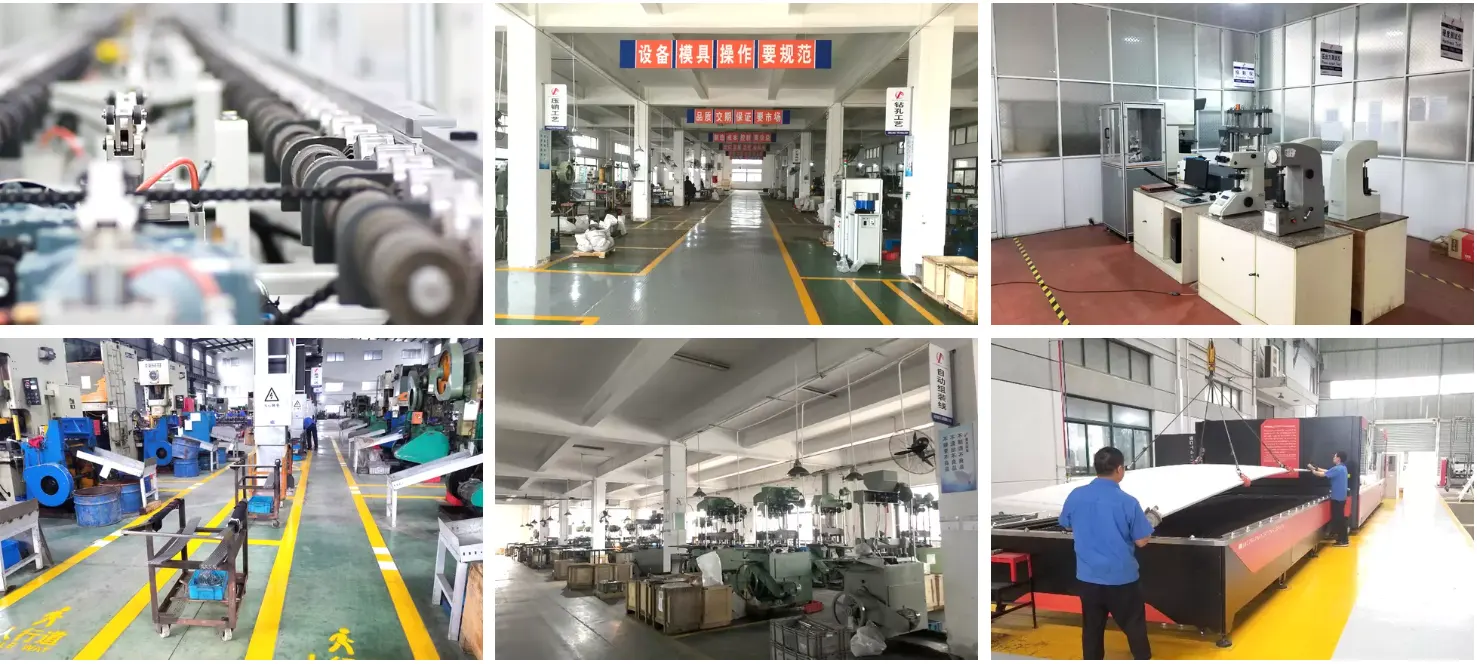
Ever Power specializes in the production and sale of high-quality gear wheels. We offer unmatched expertise and a commitment to excellence. Here are some reasons to choose Ever Power:
- Superior Quality: We adhere to stringent quality control processes, ensuring our gear wheels meet the highest standards of performance and reliability.
- Advanced Technology: We utilize state-of-the-art manufacturing technologies to produce precision gear wheels tailored to your needs.
- Customization: Our team works closely with clients to design and manufacture custom gear wheels that meet specific application requirements.
- Competitive Pricing: We offer cost-effective solutions without compromising on quality, providing excellent value for your investment.
- Exceptional Support: Our dedicated customer support team is available to assist you with technical queries, order processing, and after-sales service.
Q&A
- Q: What materials are commonly used for gear wheels?
A: Common materials include steel, brass, plastic, aluminum, and composite materials, each offering unique advantages. - Q: How is gear wheel quality ensured?
A: Quality is ensured through various techniques such as visual inspections, dimensional measurements, hardness testing, and non-destructive testing. - Q: What industries benefit from gear wheels?
A: Gear wheels are integral in industries like automotive, aerospace, marine, energy, and agriculture. - Q: What future trends are expected in the gear wheel industry?
A: Trends include advanced materials, digital manufacturing, sustainability, customization, and IoT-enabled systems. - Q: Why should I choose Ever Power for gear wheels?
A: Ever Power offers superior quality, advanced technology, customization, competitive pricing, and exceptional support.
Author: Dream