Gear wheel quality inspection

Gear Wheel Quality Inspection and Its Relationship with Gear Wheel
Introduction to Gear Wheel Quality Inspection
Ensuring the quality of gear wheels is a pivotal aspect in their manufacturing process. Gear wheel quality inspection involves a series of meticulous steps aimed at evaluating the gear’s dimensions, surface finish, material integrity, hardness, tooth profile, and overall performance capabilities. This process is crucial for guaranteeing that gear wheels meet the specified standards and are fit for their intended applications.
Importance of Gear Wheel Quality Inspection
Quality inspection of gear wheels is essential to prevent failures in mechanical systems. Any deviation from the required specifications can lead to operational inefficiencies, increased wear, and potential system breakdowns. Regular and thorough inspection ensures reliability, longevity, and optimal performance of gear wheels in various industrial applications.
Primary Methods of Gear Wheel Quality Inspection
Several methods are employed in the quality inspection of gear wheels. These include visual inspection, dimensional inspection, metallurgical analysis, and non-destructive testing (NDT). Visual inspection helps identify surface defects, while dimensional inspection checks for precise measurements. Metallurgical analysis evaluates the material’s properties, and NDT ensures internal defects are detected without damaging the gear wheel.
Precision Measuring Instruments for Gear Wheel Inspection
Advanced precision measuring instruments are crucial for gear wheel inspection. Tools such as coordinate measuring machines (CMM), gear measurement machines, and profilometers provide accurate measurements of gear parameters. These instruments help in identifying any deviations from the specified tolerances, ensuring high-quality production standards.
Gear Tooth Profile and Surface Finish Analysis
Inspection of the gear tooth profile and surface finish is critical for smooth operation and noise reduction. The tooth profile must be accurate to avoid uneven load distribution, while a high-quality surface finish reduces friction and wear. These factors are thoroughly analyzed during the inspection process to ensure optimal performance.
Hardness Testing in Gear Wheel Quality Inspection
Hardness testing is an integral part of gear wheel quality inspection. It assesses the material’s resistance to deformation and wear. Common methods include Rockwell, Vickers, and Brinell hardness tests. Ensuring the gear wheel has uniform hardness across its surface helps in maintaining its durability and performance under operational stress.
Role of Lubrication in Gear Wheel Performance
Proper lubrication is vital for the performance and longevity of gear wheels. During quality inspection, the effectiveness of lubrication systems is evaluated to ensure they provide adequate protection against friction and wear. High-quality lubricants reduce heat generation, minimize wear, and enhance the overall efficiency of gear wheels.
Informational Relationship between Gear Wheel Quality Inspection and Gear Wheel
The informational relationship between gear wheel quality inspection and the gear wheel itself is intricate. Quality inspection provides detailed insights into the gear wheel’s physical and material characteristics. This information is instrumental in optimizing gear design and manufacturing processes to produce high-performance gear wheels that meet stringent industry standards.

Performance Characteristics of Gear Wheels
Gear wheels exhibit several notable performance characteristics:
- High Load Capacity: Gear wheels are designed to transmit significant amounts of power and torque, making them suitable for heavy-duty applications.
- Precision and Accuracy: High-quality gear wheels offer precise motion control and accurate positioning, essential for various industrial processes.
- Durability: Made from robust materials, gear wheels are built to withstand harsh operating conditions and prolonged use without significant wear.
- Efficiency: Properly designed gear wheels ensure smooth and efficient power transmission, reducing energy losses and operational costs.
- Versatility: Gear wheels are available in various sizes, materials, and configurations, making them adaptable to diverse applications.
Types of Gear Wheels and Their Characteristics
Gear wheels come in various types, each with unique features and advantages:
- Spur Gears: These gears have straight teeth and are used for simple, direct power transmission. They are easy to manufacture and offer high efficiency.
- Helical Gears: Helical gears have angled teeth, which allow for smoother and quieter operation compared to spur gears. They can handle higher loads due to better tooth engagement.
- Bevel Gears: Bevel gears have conical shapes and are used for transmitting power between intersecting shafts. They are suitable for right-angle drives.
- Worm Gears: Worm gears consist of a worm (a screw-like component) and a worm wheel. They provide high reduction ratios and are used when space constraints exist.
- Planetary Gears: Planetary gear systems include a central sun gear, planet gears, and a ring gear. They offer high torque density and compact design.

Advantages of Different Gear Wheel Materials
The choice of material significantly impacts the performance and application of gear wheels. Different materials offer specific advantages:
- Steel: Known for its strength and durability, steel is ideal for heavy-duty applications. It provides excellent wear resistance and can be heat-treated for enhanced hardness.
- Aluminum: Lightweight and corrosion-resistant, aluminum is suitable for applications where weight reduction is crucial. It offers good conductivity and machinability.
- Plastic: Plastic gears are lightweight, quiet, and require no lubrication. They are resistant to corrosion and chemicals, making them suitable for various industrial environments.
- Bronze: Bronze gears offer excellent resistance to wear and friction. They are often used in worm gear applications due to their superior lubricating properties.
- Composite Materials: Gears made from composite materials combine the benefits of different substances, providing unique properties such as high strength-to-weight ratios and enhanced performance.
Applications of Gear Wheels in Various Industries
Automotive Industry
In the automotive industry, gear wheels are essential components in transmissions, differentials, and powertrains. They enable efficient power transfer from the engine to the wheels, ensuring smooth vehicle operation.
Aerospace Industry
Gear wheels in the aerospace industry are used in aircraft engines, landing gear systems, and control surfaces. They must adhere to stringent quality standards to ensure reliability and safety in flight operations.
Marine Industry
The marine industry employs gear wheels in propulsion systems, steering mechanisms, and winches. These gears must withstand harsh marine environments and provide reliable performance for extended periods.
Energy Sector
In the energy sector, gear wheels are used in wind turbines, hydroelectric plants, and power transmission systems. They play a crucial role in converting and transmitting energy efficiently.
Agricultural Machinery
Agricultural machinery relies heavily on gear wheels for the operation of tractors, harvesters, and other equipment. These gears enable efficient power transmission, enhancing productivity in farming operations.

Future Trends and Opportunities for Gear Wheel Products
- Advanced Materials: The development of new materials with improved properties will enhance gear performance and durability.
- Precision Manufacturing: Technological advancements in manufacturing processes will enable the production of highly precise and efficient gear wheels.
- Smart Gears: Integration of sensors and IoT technology will lead to the development of smart gears capable of real-time monitoring and diagnostics.
- Energy Efficiency: Innovations aimed at reducing energy losses in gear systems will drive the demand for more efficient gear designs.
- Sustainability: The focus on sustainable manufacturing practices will encourage the use of eco-friendly materials and processes in gear production.
How to Choose the Right Gear Wheel
Choosing the right gear wheel involves several critical considerations:
- Identify Requirements: Clearly define the application requirements, including load capacity, speed, and environmental conditions.
- Material Selection: Choose the appropriate material based on the required strength, durability, and operating environment.
- Design Optimization: Optimize the gear design to meet performance criteria while ensuring manufacturability and cost-effectiveness.
- Supplier Selection: Select a reputable supplier with a proven track record in producing high-quality gear wheels.
- Cost Efficiency: Evaluate the cost implications, including initial investment, maintenance, and potential downtime costs.
- Quality Control: Ensure robust quality control measures are in place to guarantee the gear wheel meets all specified standards.

Maintaining Gear Wheels
Proper maintenance of gear wheels is vital for their long-term performance:
- Regular Inspections: Conduct periodic inspections to identify wear, damage, or misalignment.
- Cleaning and Corrosion Prevention: Keep gear wheels clean and use protective coatings to prevent corrosion.
- Lubrication and Maintenance: Ensure proper lubrication to reduce friction and wear. Regularly check and replenish lubricants.
- Replacement of Worn Parts: Timely replacement of worn or damaged components to avoid further damage and ensure reliable operation.
- Upgrades and Improvements: Implement upgrades and improvements to enhance gear performance and extend service life.
Why Choose Ever Power
Ever Power is a leading manufacturer and supplier of high-quality gear wheels. Here are some reasons to choose our products:
- Extensive Experience: With years of experience in the industry, we possess the expertise to deliver superior gear solutions.
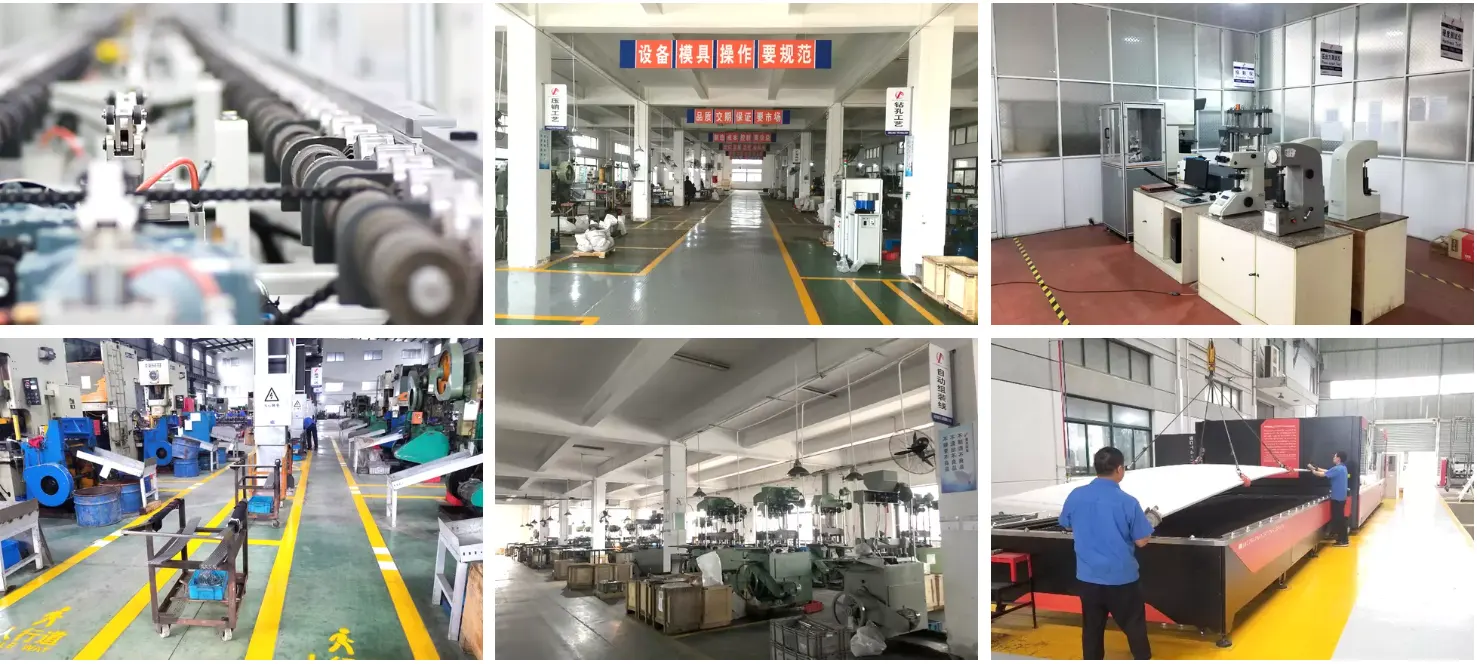
- Quality Assurance: Our stringent quality control processes ensure that every gear wheel meets the highest standards of performance and durability.
- Advanced Technology: We utilize state-of-the-art technology and equipment to manufacture precision gear wheels.
- Customized Solutions: We offer customized gear solutions tailored to meet the specific needs of our clients.
- Comprehensive Support: Our dedicated support team provides exceptional service and technical assistance to ensure customer satisfaction.
Q&A
Q1: What are the common materials used for gear wheels?
A1: Common materials include steel, aluminum, plastic, bronze, and composite materials, each offering specific advantages.
Q2: How often should gear wheels be inspected?
A2: Gear wheels should be inspected regularly based on their usage and operational conditions. Typically, periodic inspections are recommended.
Q3: What factors affect the choice of lubricant for gear wheels?
A3: Factors include the type of gear, operating environment, load, speed, and temperature. The appropriate lubricant reduces friction and wear.
Q4: Can gear wheels be customized for specific applications?
A4: Yes, gear wheels can be customized in terms of design, material, and specifications to meet the unique requirements of various applications.
Q5: What are the benefits of using composite materials for gear wheels?
A5: Composite materials offer high strength-to-weight ratios, enhanced performance, and resistance to wear and environmental factors.
Author: Dream