helical gear rack engineering challenges

Helical Gear Rack Engineering Challenges
In the field of mechanical engineering, helical gear rack technology has introduced new challenges to engineers. This article will explore the various engineering challenges associated with helical gear racks and their relationship to helical gear rack design.
Helical Gear Rack Engineering Challenges
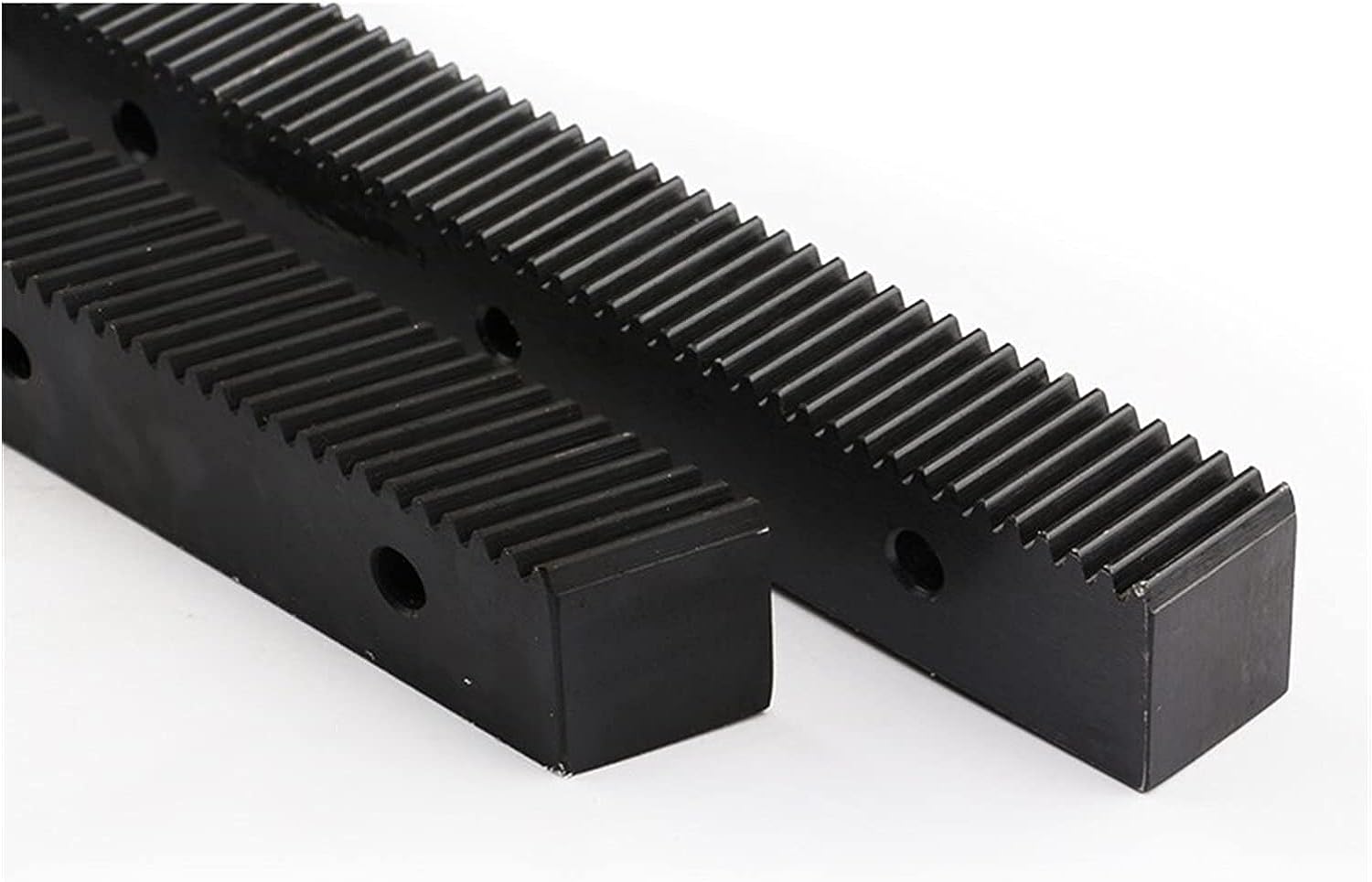
Helical gear racks are known for their superior load-carrying capacity and smooth operation. However, they present unique engineering challenges that need to be addressed during design and implementation. Let’s delve into these challenges:
1. Contact Stress and Tooth Profile Optimization
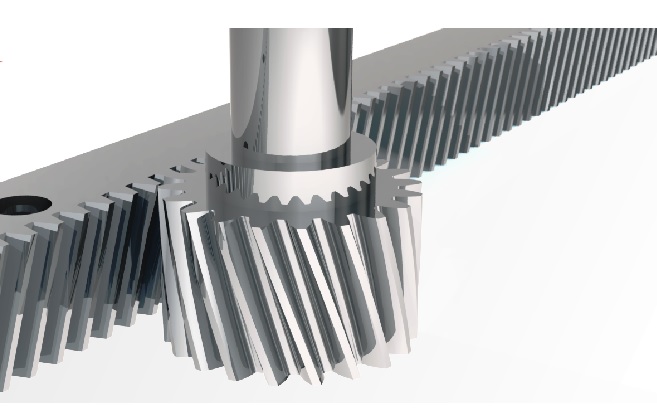
One of the key challenges in helical gear rack engineering is optimizing the tooth profile to reduce contact stress. The helical tooth profile introduces a sliding motion, increasing the contact stress compared to spur gear racks. Engineers need to carefully design the tooth profile to minimize stress concentrations and ensure optimal load distribution.
2. Noise and Vibration Control
Helical gear racks can produce noise and vibrations due to the helical tooth engagement. This can affect the overall performance and durability of the system. Engineers must employ techniques such as profile modification and gear tooth helix angle optimization to mitigate noise and vibration issues.
3. Lubrication and Heat Dissipation
Effective lubrication is crucial for the smooth operation and longevity of helical gear racks. The helical tooth engagement generates more heat compared to spur gears, leading to increased lubricant temperature. Engineers must design proper lubrication systems and consider heat dissipation methods to prevent excessive wear and ensure optimal performance.
4. Manufacturing Precision and Alignment
Manufacturing precision plays a vital role in the performance of helical gear racks. Any deviation in the tooth profile, pitch, or alignment can result in increased noise, reduced efficiency, and decreased lifespan. Engineers must ensure precise manufacturing processes and proper alignment during assembly to achieve optimal gear rack performance.
5. Load Distribution and Gear Rack Deflection
Helical gear racks experience load distribution challenges due to the helical tooth engagement. The load distribution across the teeth is not uniform, which can lead to uneven wear and premature failure. Engineers need to analyze the load distribution and consider measures such as tooth profile modifications and material selection to minimize deflection and ensure even load distribution.
Helical Gear Rack and Informational Connection
Helical gear racks are widely used in various industries, and their engineering challenges are closely intertwined with their informational aspects. The design, selection, and optimization of helical gear racks heavily rely on informational connections. Let’s explore this connection:
1. Advanced Simulation and Modeling
Informational advancements in simulation and modeling technologies have greatly facilitated the design and optimization of helical gear racks. Engineers can simulate gear tooth contact, load distribution, and performance characteristics to identify potential challenges and optimize the design accordingly.
2. Material Selection and Performance Analysis
Information about different materials and their mechanical properties is crucial for selecting the most suitable material for helical gear racks. Engineers can access databases and research studies to analyze the performance of different materials under specific operating conditions, ensuring optimal gear rack performance.
3. Failure Analysis and Maintenance Planning
Information regarding failure analysis and maintenance strategies is essential for ensuring the longevity and reliability of helical gear racks. Engineers can utilize historical data and case studies to identify common failure modes and develop preventive maintenance plans to mitigate potential risks.
Helical Gear Rack Performance Characteristics
Helical gear racks possess several performance characteristics that make them advantageous in various applications. Let’s explore these characteristics:
1. High Load-Carrying Capacity
Helical gear racks are known for their ability to handle high loads, making them suitable for heavy-duty applications where strong and durable power transmission is required.
2. Smooth and Quiet Operation
Due to the helical tooth engagement, helical gear racks offer smooth and quiet operation, reducing noise and vibration levels compared to other gear rack types.
3. Improved Efficiency
The helical tooth design allows for increased tooth engagement compared to spur gear racks, resulting in improved efficiency and power transmission.
4. Compact Design
Helical gear racks have a compact design, making them suitable for space-constrained applications where size optimization is essential.
5. High Accuracy
Helical gear racks provide high positional accuracy, ensuring precise motion control in applications that require exact positioning.
Applications of Helical Gear Rack
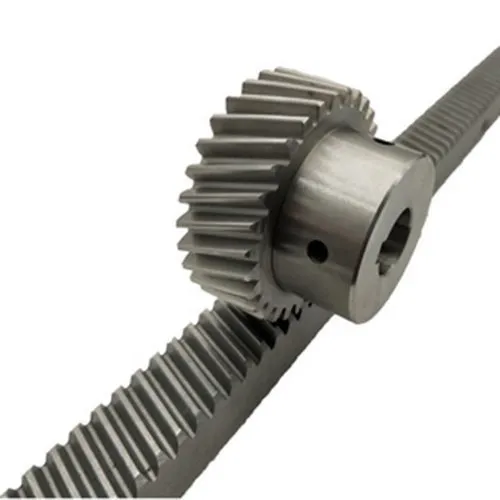
Helical gear racks find extensive applications in various industries, highlighting their value and importance in different fields. Let’s explore their applications:
1. Automation Equipment
Helical gear racks are widely used in automated systems and robotics, providing precise and reliable linear motion for effective automation processes.
2. CNC Machinery
In the field of computer numerical control (CNC) machinery, helical gear racks play a vital role in translating rotary motion into linear motion, ensuring accurate and controlled movement.
3. Automotive Industry
Helical gear racks are utilized in automotive applications such as power steering systems and transmission mechanisms, providing efficient power transmission and control.
4. Heavy Machinery
Heavy machinery, such as construction equipment and mining machinery, relies on helical gear racks to handle high loads and withstand demanding operating conditions.
5. Aerospace
In the aerospace industry, helical gear racks are employed in various systems, including actuation mechanisms and landing gear assemblies, ensuring precise and reliable motion control.
Future Trends and Opportunities
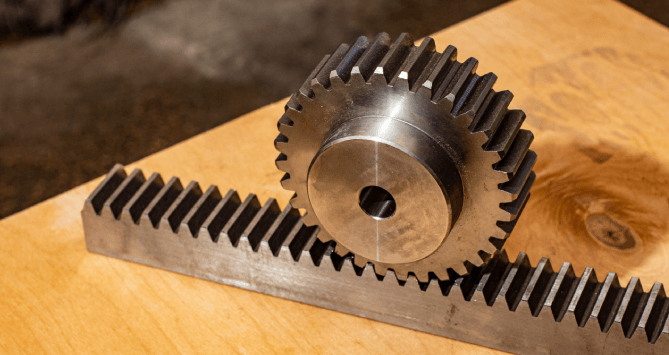
The field of helical gear rack products is continuously evolving, presenting future trends and opportunities. Let’s analyze them:
1. Miniaturization and Compact Designs
The demand for smaller and more compact gear rack systems is increasing, driven by industries such as consumer electronics and medical devices. Manufacturers should focus on developing miniaturized helical gear rack solutions to cater to these emerging needs.
2. Enhanced Material Selection
Advancements in materials science offer opportunities for the development of new materials with improved mechanical properties. Manufacturers should explore innovative materials to enhance the performance and durability of helical gear racks.
3. Integration of Smart Technologies
With the rise of Industry 4.0 and the Internet of Things (IoT), incorporating smart technologies into helical gear rack systems presents new possibilities. Manufacturers should explore the integration of sensors and data analytics to monitor gear rack performance and enhance predictive maintenance strategies.
4. Sustainable and Environmentally Friendly Solutions
As sustainability becomes a global priority, manufacturers should focus on developing environmentally friendly gear rack solutions. This includes optimizing material usage, reducing energy consumption, and implementing recycling programs.
5. Customization and Tailored Solutions
Customers increasingly demand tailored gear rack solutions to meet their specific requirements. Manufacturers should invest in flexible production processes and offer customization options to cater to diverse industry needs.
Choosing the Right Helical Gear Rack
Selecting the correct helical gear rack involves considering various factors. Let’s explore the key aspects:
1. Clear Needs and Requirements
Before selecting a helical gear rack, it is essential to have a clear understanding of the application’s needs and requirements. This includes load specifications, speed requirements, and environmental conditions.
2. Material Selection and Design Optimization
Choosing the appropriate material for the helical gear rack is crucial for its performance and durability. Additionally, optimizing the gear rack design through techniques like tooth profile modification can improve its efficiency and load-carrying capacity.
3. Supplier and After-Sales Service
Partnering with a reliable and reputable supplier is vital for ensuring the quality and timely delivery of helical gear racks. Additionally, consider the availability of after-sales service and technical support for any maintenance or troubleshooting needs.
4. Cost-Effectiveness
While considering the performance and quality of the helical gear rack, it is essential to evaluate its cost-effectiveness. Compare the price with the benefits and long-term value it provides to make an informed decision.
5. Quality Control and Certification
Ensure that the helical gear rack manufacturer adheres to strict quality control standards and holds relevant certifications. This guarantees the reliability and performance of the gear rack in the intended application.
Maintenance of Helical Gear Rack
Proper maintenance is crucial for ensuring the longevity and optimal performance of helical gear racks. Here are some maintenance practices:
1. Regular Equipment Inspection
Perform regular inspections of the helical gear rack system to identify any signs of wear, misalignment, or damage. Promptly address any issues to prevent further damage and ensure optimal performance.
2. Cleaning and Anti-Corrosion Measures
Keep the gear rack clean and free from debris, as accumulated dirt can affect its performance. Apply suitable anti-corrosion measures to protect the gear rack from environmental factors.
3. Lubrication and Lubricant Maintenance
Follow the manufacturer’s lubrication recommendations and ensure the gear rack is properly lubricated. Regularly monitor the lubricant condition and replenish or replace it as needed.
4. Replacement of Worn Components
Monitor the wear of gear rack components, such as the teeth and supporting elements. Replace any worn or damaged parts to maintain optimal performance and prevent premature failure.
5. Continuous Improvement and Upgrades
Regularly assess the gear rack system’s performance and identify areas for improvement or potential upgrades. Implement necessary modifications or upgrades to enhance the gear rack system’s efficiency and reliability.
Why Choose Ever Power
Author: Dream
Ever Power is a leading manufacturer and supplier of high-quality helical gear racks. Our company specializes in producing and selling helical gear racks to cater to diverse industry needs. Here are the reasons why you should choose us:
- Extensive Experience: With years of experience in the industry, we have gained the expertise to deliver superior helical gear racks that meet the highest standards.
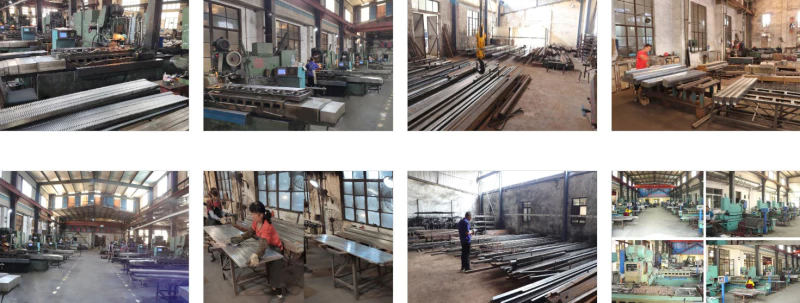
- Advanced Manufacturing Facilities: Our state-of-the-art manufacturing facilities are equipped with the latest technology, enabling us to produce precision-engineered gear racks with exceptional performance.
- Quality Assurance: We implement stringent quality control measures throughout the manufacturing process to ensure that our helical gear racks meet or exceed industry standards.
- Customization Options: We understand that each application has unique requirements. Therefore, we offer customization options to tailor our gear racks to your specific needs.
- Reliable Customer Support: Our dedicated customer support team is always ready to assist you with any inquiries, technical questions, or after-sales support you may require.
Q&A
- Q: Can helical gear racks handle high torque applications?
- Q: Are helical gear racks suitable for precision positioning systems?
- Q: How do helical gear racks compare to other gear rack types in terms of noise?
- Q: Can helical gear racks be used in harsh environmental conditions?
- Q: What maintenance
A: Yes, helical gear racks are designed to handle high torque applications due to their superior load-carrying capacity and enhanced tooth engagement.
A: Absolutely, helical gear racks provide high positional accuracy, making them ideal for precision positioning systems that require accurate and controlled motion.
A: Helical gear racks offer quieter operation compared to other gear rack types due to the helical tooth engagement, which reduces noise and vibrations.
A: Yes, helical gear racks can be designed and manufactured using materials that are suitable for harsh environmental conditions, providing reliable performance in challenging environments.