herringbone gear design and testing

Herringbone Gear Design and Testing
Herringbone Gear Design and Testing and the Relationship with Herringbone Gear based on Informational
Herringbone gears are a type of double helical gear that are used for transmitting torque and power between parallel shafts. The herringbone gear design is unique because it has a “V” shape that resembles the bones of a fish. The design is not only aesthetically pleasing, but it also provides several advantages over other types of gears. One of the benefits of the herringbone gear design is that it cancels out the axial thrust forces that are typically associated with helical gears. This is because the two helixes of the herringbone gear are mirror images of each other, and the thrust forces generated by one helix cancel out the thrust forces generated by the other helix.
The herringbone gear design has been extensively tested and optimized to ensure that it is reliable and efficient. One of the most important aspects of herringbone gear testing is noise reduction. The unique shape of the herringbone gear design creates a meshing pattern that can produce a lot of noise if not properly designed and tested. Therefore, extensive testing is done to ensure that the herringbone gears are quiet and efficient in operation. This testing includes measuring the noise level, vibration, and temperature of the gears under various loads and operating conditions.
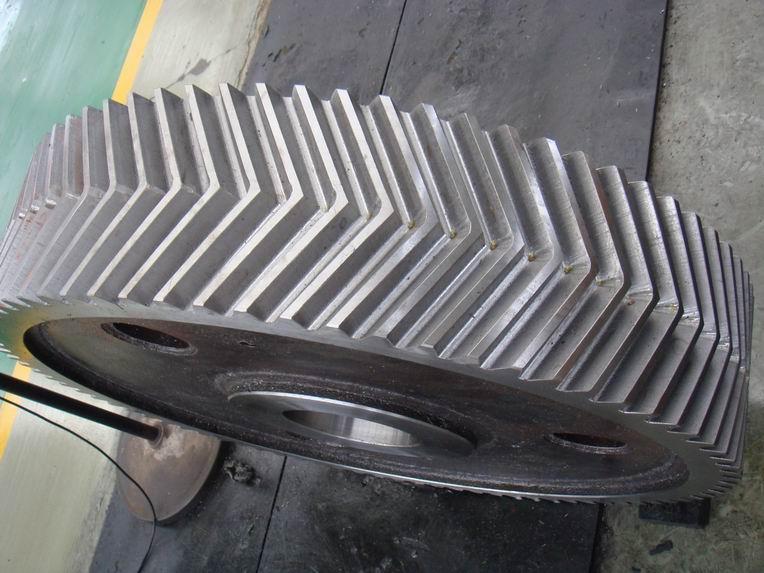
Herringbone Gear Performance Characteristics
Herringbone gears are known for their superior performance characteristics. Some of the key advantages of herringbone gears include their ability to handle high torque, their high efficiency, and their ability to reduce noise and vibration. Herringbone gears also have a greater contact ratio than other types of gears, which means that they provide greater surface area and better load distribution. This makes them ideal for use in applications where high torque and power transmission are required.
Additionally, herringbone gears are highly efficient, with efficiencies ranging from 94% to 98%. This is due to the fact that the gear teeth are always in contact, which means that there is no slippage or energy loss. The high contact ratio of the herringbone gear design also reduces noise and vibration, making it an ideal choice for applications where noise pollution is a concern.
Types and Characteristic of Herringbone Gears
Herringbone gears are available in a variety of different materials and configurations, each with its own unique set of characteristics. One of the most common materials used for herringbone gears is steel, which is durable and long-lasting. However, other materials such as bronze, brass, and plastic can also be used for specific applications.
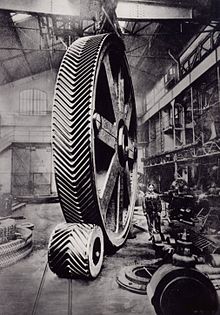
There are two main types of herringbone gears: symmetrical and asymmetrical. Symmetrical herringbone gears have equal helix angles on both sides, which means that they are suitable for both clockwise and counterclockwise rotation. Asymmetrical herringbone gears, on the other hand, have different helix angles on each side, which means that they are designed for one specific rotational direction.
Applications of Herringbone Gears in Various Industries
Herringbone gears are used in a wide range of industries and applications. In the automotive industry, herringbone gears are used in transmissions, differentials, and transfer cases. They are also used in heavy machinery such as mining equipment, construction equipment, and power generation equipment. Herringbone gears can also be found in marine applications such as ship engines and propeller systems. Additionally, they are used in manufacturing equipment such as lathes, milling machines, and grinders.
The Future Development and Opportunities of Herringbone Gear Products
The herringbone gear market is expected to grow significantly in the coming years, driven by increasing demand from various industries. The development of new materials and manufacturing techniques is expected to further enhance the performance and efficiency of herringbone gears. Additionally, the growth of the renewable energy sector is expected to create new opportunities for herringbone gears in wind turbines and other green energy applications.
However, there are also challenges facing the herringbone gear industry, including increasing competition and the need to reduce costs while maintaining quality. To overcome these challenges, companies will need to focus on innovation, process optimization, and developing new products and services that meet the evolving needs of their customers.
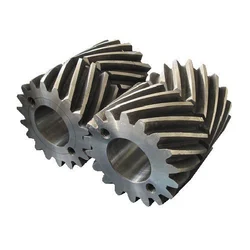
How to Choose the Right Herringbone Gear
Choosing the right herringbone gear is important to ensure that your equipment operates efficiently and reliably. There are several factors to consider when selecting a herringbone gear, including:
- Clarifying your needs: Determine the specific requirements of your application, including torque, speed, and load capacity.
- Material selection: Choose the right material for your application based on factors such as durability, corrosion resistance, and temperature resistance.
- Design optimization: Work with an experienced gear manufacturer to optimize the design of your herringbone gear for maximum performance and efficiency.
- Supplier and after-sales service: Choose a reputable gear supplier that offers after-sales support and service.
- Cost-effectiveness: Ensure that the cost of the herringbone gear is competitive and provides good value for money.
- Quality control: Ensure that the herringbone gear meets all relevant quality standards and has undergone rigorous testing and inspection.
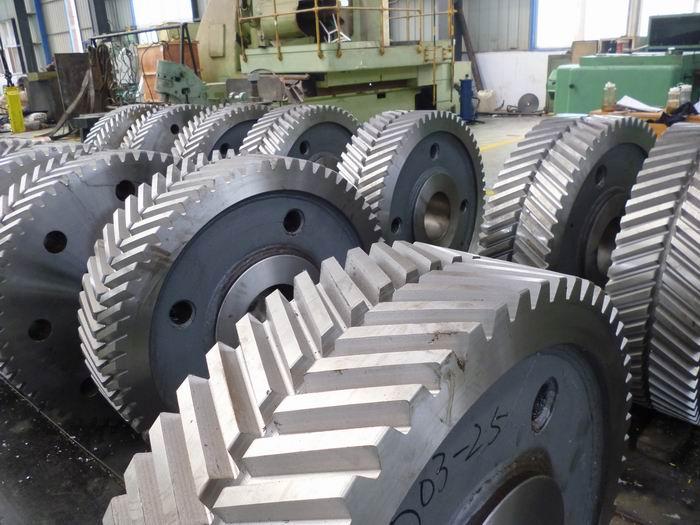
Herringbone Gear Maintenance
Maintaining your herringbone gear is important to ensure that it operates efficiently and reliably over its lifespan. There are several key maintenance tasks that should be performed regularly, including:
- Regular equipment inspections: Regularly inspect the herringbone gear for signs of wear, damage, or corrosion.
- Cleaning and corrosion prevention: Clean the herringbone gear regularly and apply a protective coating to prevent corrosion.
- Lubrication and maintenance: Lubricate the herringbone gear regularly and perform any necessary maintenance tasks such as replacing worn parts.
- Improvement and upgrade: Consider upgrading or improving your herringbone gear to enhance its performance and efficiency.
Why Choose Us
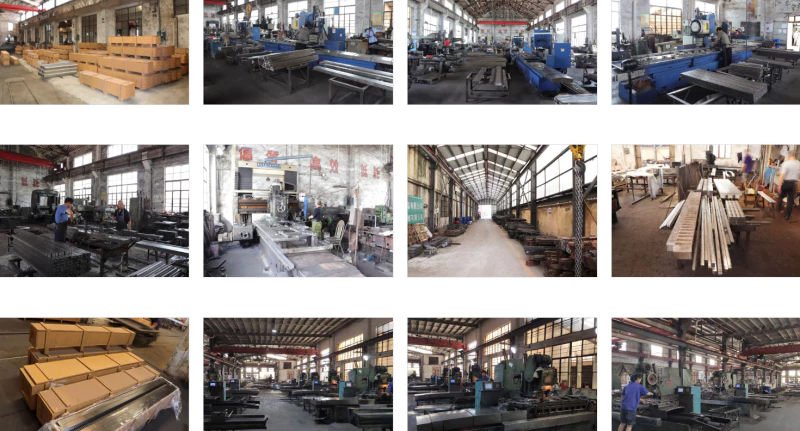
Our company specializes in the design, manufacture, and sale of high-quality herringbone gears for a wide range of applications. Our products are made from the highest quality materials and are designed to provide exceptional performance and reliability. Some of the key advantages of our products and services include:
- High-quality materials: We use only the highest quality materials to ensure that our products meet the highest standards of performance and reliability.
- Cutting-edge technology: We use the latest manufacturing techniques and equipment to ensure that our products are of the highest quality and meet the needs of our customers.
- Customization: We offer a range of customization options to ensure that our products meet the specific needs of our customers.
- Expertise and experience: Our team of experts has years of experience in the herringbone gear industry and can provide expert advice and support to our customers.
- After-sales service: We offer comprehensive after-sales support and service to ensure that our customers are fully satisfied with their purchase.
Q&A
- What are the benefits of herringbone gears compared to other types of gears?
Herringbone gears have several advantages over other types of gears, including their ability to handle high torque, their high efficiency, and their ability to reduce noise and vibration.
- What are the main applications of herringbone gears?
Herringbone gears are used in a wide range of industries and applications, including automotive, heavy machinery, marine, and manufacturing equipment.
- What are some of the challenges facing the herringbone gear industry?
Some of the challenges facing the herringbone gear industry include increasing competition, the need to reduce costs while maintaining quality, and the need to innovate and develop new products.
- How can I choose the right herringbone gear for my application?
When selecting a herringbone gear, it is important to consider factors such as your specific requirements, material selection, design optimization, supplier and after-sales service, cost-effectiveness, and quality control.
- What are some of the key maintenance tasks for herringbone gears?
Some of the key maintenance tasks for herringbone gears include regular inspections, cleaning and corrosion prevention, lubrication and maintenance, and upgrading or improving the gear for enhanced performance and efficiency.
Author: Dream