herringbone gear failure modes

Herringbone Gear Failure Modes
Introduction
Herringbone gears are a type of helical gear that is widely used in various industries for transmitting power and motion. However, like any mechanical component, herringbone gears can experience failure modes that affect their performance and reliability. In this article, we will explore the different failure modes associated with herringbone gears and discuss their relationship to herringbone gear design.
Herringbone Gear Failure Modes
1. Tooth Wear
Tooth wear is a common failure mode in herringbone gears. It occurs due to the sliding motion between the gear teeth during operation, resulting in material loss and changes in gear geometry. This can lead to decreased gear meshing efficiency and increased noise levels.
2. Pitting
Pitting is another failure mode that affects herringbone gears. It is characterized by the formation of small craters or pits on the gear tooth surfaces. Pitting is often caused by excessive contact stress, inadequate lubrication, and high surface roughness. If left unaddressed, pitting can lead to tooth breakage and gear failure.
3. Tooth Fracture
Tooth fracture is a severe failure mode that occurs when the load on the gear exceeds its material strength. This can happen due to overload conditions, improper heat treatment, or material defects. Tooth fracture can result in catastrophic failure, leading to downtime and costly repairs.
4. Bending Fatigue
Bending fatigue is a common failure mode in herringbone gears subjected to alternating loads. It occurs due to the repeated bending of gear teeth, which leads to crack initiation and propagation. Proper material selection, heat treatment, and gear design optimization can help mitigate bending fatigue failure.
Informational Relationship between Herringbone Gear Failure Modes and Herringbone Gear
The failure modes discussed above are closely related to the design and operation of herringbone gears. Understanding these failure modes is essential for designing reliable herringbone gear systems. By analyzing the failure modes, engineers can make informed decisions regarding material selection, lubrication, and gear geometry to enhance gear performance and longevity.
Herringbone Gear Performance Characteristics
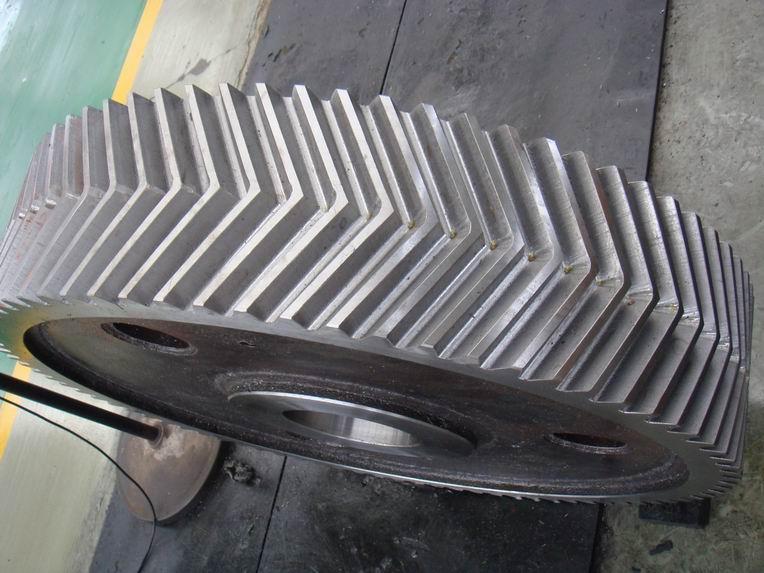
– High load-carrying capacity: Due to their geometry, herringbone gears can transmit higher loads compared to other gear types.
– Smooth operation: The double helical design of herringbone gears helps to minimize vibrations and noise during operation.
– Excellent meshing efficiency: The interlocking teeth of herringbone gears ensure efficient power transmission with minimal energy loss.
– Good heat dissipation: The unique tooth geometry of herringbone gears promotes better heat dissipation, reducing the risk of overheating.
– Long service life: When properly designed and maintained, herringbone gears can have a significantly longer service life compared to other gear types.
Applications of Herringbone Gears
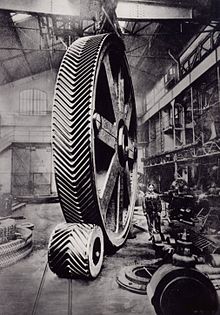
Herringbone gears find extensive use in various industries, including:
1. Automotive Industry
Herringbone gears are commonly used in automotive transmissions and differential systems. Their high load-carrying capacity and smooth operation make them ideal for these applications.
2. Power Generation Equipment
Herringbone gears are essential components in power generation equipment, such as wind turbines and hydroelectric generators. Their ability to handle high loads and provide smooth power transmission makes them suitable for these demanding applications.
3. Heavy Machinery
Herringbone gears are widely used in heavy machinery, such as mining equipment and construction machinery. Their robust design and high load-carrying capacity enable them to withstand the demanding conditions encountered in these industries.
4. Marine and Offshore Engineering
Herringbone gears are utilized in marine propulsion systems and offshore equipment. Their reliable performance and ability to handle high torque make them suitable for these critical applications.
5. Manufacturing Industry
Herringbone gears play a crucial role in various manufacturing processes, including machine tools, conveyors, and robotics. Their smooth operation and high efficiency contribute to the overall productivity and reliability of these systems.
Future Trends and Opportunities for Herringbone Gears
The continuous advancements in gear manufacturing technology and materials offer promising opportunities for the future development of herringbone gears. Some potential trends and opportunities include:
– Integration of advanced materials, such as composites, to enhance gear performance and reduce weight.
– Application of advanced surface coatings and treatments to improve wear resistance and reduce friction.
– Implementation of predictive maintenance techniques, such as condition monitoring and digital twin technology, to optimize gear performance and minimize downtime.
– Adoption of Industry 4.0 principles, including automation and data-driven decision-making, to enhance gear manufacturing processes.
– Collaboration between gear manufacturers and research institutions to develop innovative gear designs and materials for specific applications.
Choosing the Right Herringbone Gear
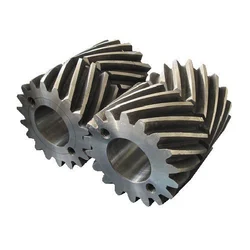
When selecting a herringbone gear for a specific application, several factors should be considered:
– Clear identification of the application requirements, including torque, speed, and load capacity.
– Careful material selection based on the operating conditions and desired gear performance.
– Optimization of gear design to ensure efficient power transmission and minimize stress concentrations.
– Evaluation of potential suppliers based on their experience, quality control processes, and track record.
– Consideration of the overall cost-effectiveness, including initial investment, maintenance costs, and expected service life.
Maintenance of Herringbone Gears
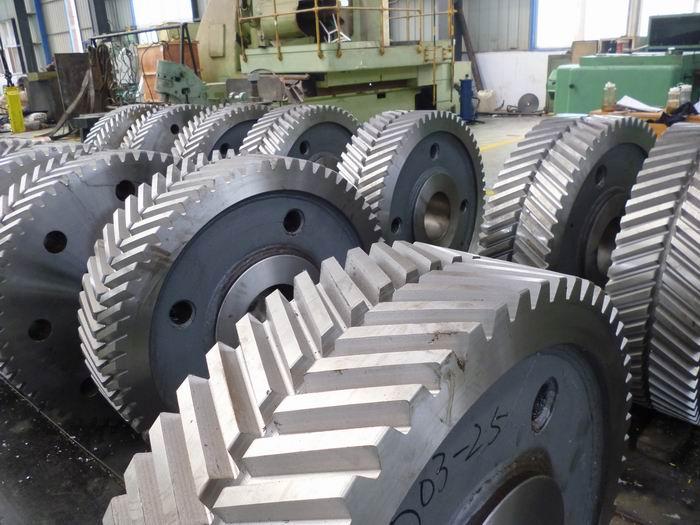
Proper maintenance is crucial to ensure the optimal performance and longevity of herringbone gears. Key maintenance practices include:
– Regular equipment inspection to identify any signs of wear, misalignment, or damage.
– Thorough cleaning and corrosion prevention measures to protect the gear surfaces.
– Adequate lubrication to minimize friction and wear between gear teeth.
– Timely replacement of worn-out components to prevent further damage and gear failure.
– Continuous improvement and upgrading of gear systems based on operational feedback and technological advancements.
Why Choose Us
At [Company Name], we specialize in the production and sale of high-quality herringbone gears. Our products offer several advantages that set us apart from the competition:
1. Superior material selection: We use premium-grade materials that ensure excellent gear performance and durability.
2. Customized design solutions: Our team of experienced engineers can provide tailored gear designs to meet specific customer requirements.
3. Rigorous quality control: We have stringent quality control processes in place to ensure that every gear meets the highest standards.
4. Timely delivery: We understand the importance of meeting deadlines and strive to deliver our products on time.
5. Exceptional customer service: We are committed to providing excellent customer support, addressing any queries or concerns promptly.
Q&A
1. Q: What maintenance practices can extend the service life of herringbone gears?
A: Regular inspection, proper lubrication, and timely replacement of worn-out components can extend the service life of herringbone gears.
2. Q: Can herringbone gears be used in high-speed applications?
A: Yes, herringbone gears can be designed and manufactured to withstand high-speed applications, provided proper design considerations and manufacturing processes are followed.
3. Q: What are the main advantages of herringbone gears over spur gears?
A: Herringbone gears offer higher load-carrying capacity, smoother operation, and reduced noise levels compared to spur gears.
4. Q: Can herringbone gears be repaired if they experience damage?
A: Depending on the extent of the damage, herringbone gears can often be repaired through processes such as regrinding or selective hardening.
5. Q: Are herringbone gears suitable for applications requiring precise positioning?
A: Yes, herringbone gears can provide accurate positioning due to their precise meshing characteristics and minimal backlash.
Author: Dream