herringbone gear for high-precision applications

Herringbone Gear for High-Precision Applications
Herringbone gears have become popular in high-precision applications due to their superior performance and reliability. These gears have unique tooth shapes that make them ideal for applications that require high precision and accuracy. In this article, we will discuss the characteristics, types, and applications of herringbone gears, as well as the factors to consider when selecting the right gear for your needs. We will also provide maintenance tips and introduce our company’s herringbone gear products.
Herringbone Gear for High-Precision Applications and Herringbone Gear on Commercial
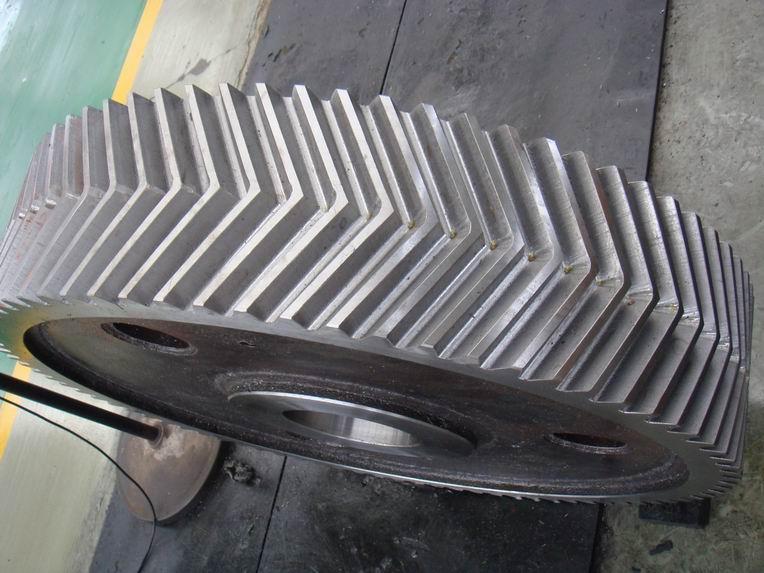
The unique tooth shape of herringbone gears makes them ideal for high-precision applications. The teeth have a V shape and are arranged in a zig-zag pattern, which allows for greater contact area with the mating gear. This increased contact area results in a smoother and more efficient transfer of power. Herringbone gears are also quieter and have less vibration than other gear types.
Commercial herringbone gears are used in a wide range of applications, including mining equipment, turbines, and heavy machinery. They are also used in industrial applications such as pumps, conveyors, and compressors. The commercial herringbone gear is designed to handle high loads and operate at high speeds. These gears are made from high-quality materials and are carefully engineered to meet the demands of commercial applications.
Performance Characteristics of Herringbone Gear
Herringbone gears have several performance characteristics that make them ideal for high-precision applications. These characteristics include:
- High precision
- Efficient power transfer
- Low noise and vibration
- High load capacity
- High-speed capability
High-precision: Due to their unique tooth shape, herringbone gears have a larger contact area than other gear types. This increased contact area improves the precision of the gear system and reduces the possibility of error.
Efficient power transfer: Herringbone gears have a larger contact area, which results in a smoother and more efficient transfer of power. This reduces the energy loss in the gear system, resulting in higher efficiency.
Low noise and vibration: Herringbone gears have a unique tooth shape that reduces noise and vibration in the gear system. This results in a quieter and smoother operating system.
High load capacity: Herringbone gears have a high load capacity due to their unique tooth shape. This allows them to handle heavier loads than other gear types.
High-speed capability: Herringbone gears can operate at high speeds due to their unique tooth shape. This makes them ideal for high-speed applications.
Types of Herringbone Gear and Their Characteristics
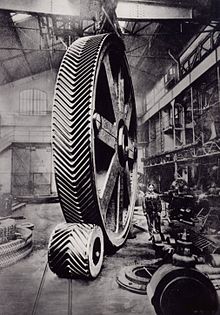
There are two types of herringbone gears: single helical and double helical. Single helical gears have teeth that are angled in one direction, while double helical gears have teeth that are angled in opposite directions. Double helical gears are also known as herringbone gears.
Herringbone gears have several characteristics that make them ideal for different applications. These characteristics include:
- Aligning torque
- Reduced thrust loads
- No axial thrust
- Increased gear stiffness
- Inherent balance
Aligning torque: Herringbone gears have a self-aligning torque that reduces the need for precise alignment. This makes them ideal for applications where precise alignment is difficult or impossible.
Reduced thrust loads: Herringbone gears have a unique tooth shape that reduces the thrust loads on the gear system. This results in a more reliable and longer-lasting gear system.
No axial thrust: Herringbone gears have no axial thrust, which reduces the load on the bearings. This results in a longer-lasting bearing system.
Increased gear stiffness: Herringbone gears have a larger contact area, which increases the stiffness of the gear system. This results in a more reliable and longer-lasting gear system.
Inherent balance: Herringbone gears have an inherent balance that reduces vibration and noise in the gear system. This results in a quieter and smoother operating system.
Applications of Herringbone Gear
Herringbone gears are used in various industries, including the automotive industry, power generation equipment, heavy machinery, marine and offshore engineering, and manufacturing. Below are some of the applications of herringbone gears:
Automotive Industry
Herringbone gears are used in the automotive industry for various applications, including transmissions, differentials, and power steering systems. These gears provide a more reliable and efficient gear system, resulting in better performance and fuel efficiency.
Power Generation Equipment
Herringbone gears are used in power generation equipment such as turbines and generators. These gears provide a more reliable and efficient gear system, resulting in better performance and energy efficiency.
Heavy Machinery
Herringbone gears are used in heavy machinery such as mining equipment, construction machinery, and cranes. These gears provide a more reliable and efficient gear system, resulting in better performance and productivity.
Marine and Offshore Engineering
Herringbone gears are used in marine and offshore engineering applications such as ship propulsion systems, winches, and cranes. These gears provide a more reliable and efficient gear system, resulting in better performance and safety.
Manufacturing
Herringbone gears are used in manufacturing applications such as conveyors, pumps, and compressors. These gears provide a more reliable and efficient gear system, resulting in better productivity and quality.
Future Development and Opportunities for Herringbone Gear Products
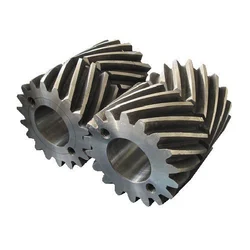
Herringbone gears are expected to continue to grow in popularity due to their superior performance and reliability. The increasing demand for high-precision applications is expected to drive the growth of herringbone gear products. The development of new materials and manufacturing techniques is also expected to drive the growth of herringbone gear products.
There are several opportunities for herringbone gear products in various industries, including the automotive industry, power generation equipment, heavy machinery, and manufacturing. The increasing demand for high-performance gear systems is expected to drive the growth of herringbone gear products in these industries.
Our company specializes in the production and sale of herringbone gear products. We offer high-quality herringbone gear products that are engineered to meet the demands of different applications. Our products are made from high-quality materials and are carefully engineered to provide superior performance and reliability. We also provide excellent customer service and support to ensure our customers are satisfied with our products.
Here are some of the advantages of our herringbone gear products:
- High precision and accuracy
- Efficient power transfer
- Low noise and vibration
- High load capacity
- High-speed capability
Our herringbone gear products are ideal for various applications, including the automotive industry, power generation equipment, heavy machinery, marine and offshore engineering, and manufacturing.
Q&A
Q: What is the difference between single helical and double helical herringbone gears?
A: Single helical gears have teeth that are angled in one direction, while double helical gears have teeth that are angled in opposite directions. Double helical gears are also known as herringbone gears.
Q: What are the performance characteristics of herringbone gears?
A: The performance characteristics of herringbone gears include high precision, efficient power transfer, low noise and vibration, high load capacity, and high-speed capability.
Q: What industries use herringbone gears?
A: Herringbone gears are used in various industries, including the automotive industry, power generation equipment, heavy machinery, marine and offshore engineering, and manufacturing.
Q: How do you select the right herringbone gear?
A: Factors to consider when selecting the right herringbone gear include the required precision, material selection, design optimization, supplier and after-sales service, cost-effectiveness, and quality control.
Q: How do you maintain herringbone gears?
A: Maintenance tips for herringbone gears include regular equipment checks, cleaning and corrosion prevention, lubrication and maintenance, replacement of worn parts, and improvement and upgrading of the gear system.
Author: Dream