herringbone gear for power transmission

Herringbone Gear for Power Transmission
Herringbone gear is a type of double helical gear that is commonly used for power transmission. It is a versatile and efficient gear that is capable of transmitting power between two shafts at various angles. In this article, we will discuss the various aspects of herringbone gears, including their types, applications, performance characteristics, future trends, maintenance, and how to choose the right herringbone gear for your needs.
Herringbone Gear for Power Transmission and the Commercial Connection
Herringbone gears are widely used in various industries due to their unique design that provides smooth and efficient power transmission. The herringbone gear is a double helical gear that consists of two mirror-image helical gears that are joined together. This design eliminates the axial thrust that is commonly found in single helical gears, resulting in a more stable and efficient power transmission. In commercial applications, the herringbone gear is commonly used in heavy machinery, such as turbines, generators, and compressors, as well as in automotive and marine applications.

Performance Characteristics of Herringbone Gear
Herringbone gears offer exceptional performance characteristics, making them ideal for heavy-duty and high-power applications. Some of the key performance characteristics of herringbone gears include:
- High Efficiency: The unique design of the herringbone gear provides a smooth and efficient power transmission, resulting in less energy loss and increased efficiency.
- Low Noise: The double helical design of the herringbone gear eliminates the axial thrust and reduces the gear noise, making it ideal for applications where noise is a concern.
- High Load Capacity: The herringbone gear can handle high loads due to its double helical design and wide contact area.
- High Accuracy: The herringbone gear provides high accuracy and precision due to its symmetrical design and close tolerances.
- Long Life: The herringbone gear is designed to have a long life and requires minimal maintenance due to its robust construction and efficient power transmission.
Types and Characteristics of Herringbone Gear
Herringbone gears come in various types and are made from different materials to suit various applications. Some of the common types of herringbone gears include:
- Steel Herringbone Gear: Steel herringbone gears are commonly used in heavy machinery and high-power applications due to their high strength and durability.
- Brass Herringbone Gear: Brass herringbone gears are commonly used in low-power applications such as clocks and watches, due to their low friction and high wear resistance.
- Plastic Herringbone Gear: Plastic herringbone gears are commonly used in low-power applications such as toys and small appliances, due to their low cost and ease of manufacturing.

Applications of Herringbone Gear
Herringbone gears are widely used in various industries due to their unique design and exceptional performance characteristics. Some of the common applications of herringbone gears include:
- Automotive Industry: Herringbone gears are used in automotive transmissions, engines, and differentials due to their high load capacity and low noise.
- Power Generation: Herringbone gears are used in power generation equipment such as turbines and generators due to their high efficiency and reliability.
- Heavy Machinery: Herringbone gears are used in heavy machinery such as compressors, pumps, and cranes due to their high load capacity and long life.
- Marine Industry: Herringbone gears are used in marine propulsion systems due to their high efficiency and low noise.
- Manufacturing: Herringbone gears are used in manufacturing equipment such as lathes and milling machines due to their high accuracy and precision.
Future Trends and Opportunities for Herringbone Gear
The herringbone gear market is expected to grow in the coming years due to the increasing demand for heavy machinery and efficient power transmission equipment. Some of the future trends and opportunities for herringbone gear include:
- Increasing demand for high-power and heavy-duty applications: The herringbone gear is ideal for high-power and heavy-duty applications due to its exceptional performance characteristics, and the increasing demand for such applications is expected to drive the growth of the herringbone gear market.
- Advancements in manufacturing technology: The advancements in manufacturing technology, such as 3D printing and CNC machining, are expected to improve the efficiency and reduce the cost of herringbone gear manufacturing.
- Emerging markets: The emerging markets in Asia and Africa are expected to provide new opportunities for the herringbone gear market due to the increasing demand for heavy machinery in these regions.

Choosing the Right Herringbone Gear
Choosing the right herringbone gear depends on various factors such as your specific needs, material selection, design optimization, supplier and after-sales service, cost-effectiveness, and quality control. Some of the key factors to consider when choosing the right herringbone gear include:
- Specific Needs: Identify your specific needs, such as power transmission requirements, load capacity, noise level, and efficiency, before choosing a herringbone gear.
- Material Selection: Choose the right material based on your application requirements, such as strength, wear resistance, and cost.
- Design Optimization: Optimize the herringbone gear design for your application requirements, such as minimizing noise and maximizing efficiency.
- Supplier and After-sales Service: Choose a reliable supplier that offers high-quality products and after-sales service to ensure long-term performance and reliability of the herringbone gear.
- Cost-effectiveness: Choose a herringbone gear that offers the best balance between performance and cost-effectiveness for your specific needs.
- Quality Control: Ensure that the herringbone gear meets the required quality standards and has undergone rigorous testing and quality control processes.

How to Maintain Herringbone Gear
Maintaining herringbone gear is essential to ensure its long-term performance and reliability. Some of the key maintenance activities for herringbone gear include:
- Regular Equipment Inspection: Inspect the herringbone gear and equipment regularly to identify any signs of wear, damage, or corrosion.
- Cleaning and Anti-corrosion: Clean the herringbone gear regularly and apply anti-corrosion coatings to prevent corrosion and damage.
- Lubrication and Maintenance: Lubricate the herringbone gear regularly and perform routine maintenance activities such as gear alignment and bearing replacement.
- Replace Worn Parts: Replace any worn or damaged parts to ensure optimal performance and minimize the risk of failure.
- Upgrade and Improvement: Upgrade and improve the herringbone gear design and equipment to improve its performance and efficiency.
Why Choose Us?
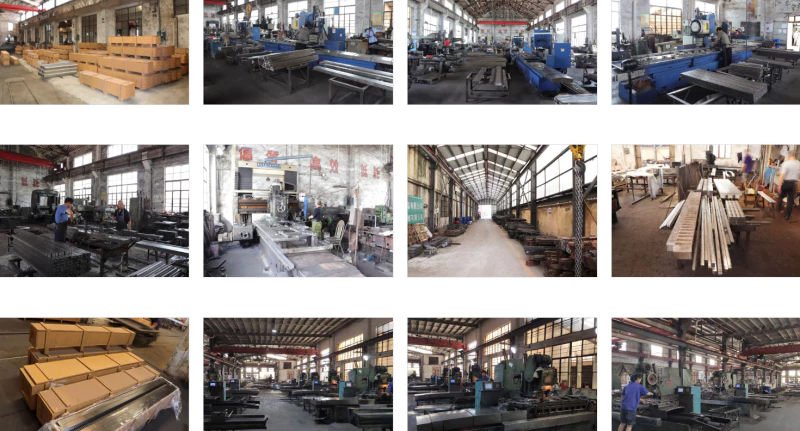
We are a professional manufacturer and supplier of high-quality herringbone gear for power transmission. Our products are designed and manufactured using the latest technology and the highest quality materials to ensure optimal performance and reliability. Here are some of the reasons why you should choose us:
- High-Quality Products: Our products are made from the highest quality materials and undergo rigorous testing and quality control processes to ensure optimal performance and reliability.
- Customized Solutions: We offer customized herringbone gear solutions to meet your specific needs, such as material selection, design optimization, and cost-effectiveness.
- Reliable Service: We offer reliable service and after-sales support to ensure long-term performance and reliability of our products.
- Competitive Pricing: We offer competitive pricing for our high-quality herringbone gear products to ensure cost-effectiveness for our customers.
- Fast Delivery: We offer fast delivery of our products to ensure timely and efficient service to our customers.
Q&A
- What is a herringbone gear? A herringbone gear is a type of double helical gear that is commonly used for power transmission.
- What are the performance characteristics of herringbone gear? Herringbone gears offer high efficiency, low noise, high load capacity, high accuracy, and long life.
- What are the common types of herringbone gear? The common types of herringbone gear include steel herringbone gear, brass herringbone gear, and plastic herringbone gear.
- What are the common applications of herringbone gear? Herringbone gears are commonly used in automotive, power generation, heavy machinery, marine, and manufacturing applications.
- How to choose the right herringbone gear? The right herringbone gear can be chosen based on specific needs, material selection, design optimization, supplier and after-sales service, cost-effectiveness, and quality control.
In conclusion, herringbone gear for power transmission is a versatile and efficient gear that is widely used in various industries due to its exceptional performance characteristics and unique design. To choose the right herringbone gear, it is important to consider your specific needs, material selection, design optimization, supplier and after-sales service, cost-effectiveness, and quality control. At our company, we offer high-quality herringbone gear products and customized solutions to meet your specific needs, with reliable service and competitive pricing.
Author: Dream