herringbone gear lubrication guide

Herringbone Gear Lubrication Guide
Herringbone gears are a type of gear that is used in a variety of industrial applications. They are known for their unique shape, which allows them to transmit power more efficiently than other types of gear. However, in order to keep herringbone gears operating smoothly, it is important to follow a proper lubrication guide. This article will provide you with all the information you need to know about herringbone gear lubrication.
Herringbone Gear Lubrication Guide
The lubrication of herringbone gears is critical to their proper operation. The gears must be properly lubricated in order to reduce friction and wear, leading to longer gear life and increased efficiency. The following guide should be followed when lubricating herringbone gears:
1. Select the Correct Lubricant
The first step in lubricating herringbone gears is to select the correct lubricant. The lubricant should be selected based on the gear design, operating conditions, and environmental factors. Some of the factors to consider when selecting a lubricant include:
- Viscosity
- Additives
- Compatibility with other lubricants
- Operating temperature range
Consult with a lubricant supplier or the gear manufacturer to determine the correct lubricant for your application.
2. Properly Clean the Gears
Before applying the lubricant, the gears must be properly cleaned. Any dirt, debris, or old lubricant must be removed from the gears to ensure that the new lubricant is able to properly adhere to the gear surface. Use a cleaning solution that is compatible with the lubricant being used, and make sure to completely dry the gears before applying the lubricant.
3. Apply the Lubricant
Once the gears are clean, apply the lubricant to the teeth of the herringbone gears. The lubricant should be applied evenly across the gear surface to ensure proper coverage. Use a brush or spray nozzle to apply the lubricant, and make sure to apply the correct amount as recommended by the lubricant supplier or gear manufacturer.
4. Monitor and Maintain Lubrication
After applying the lubricant, it is important to monitor the gears to ensure that they are properly lubricated. Check the oil level and condition regularly, and make sure to change the lubricant when necessary. Also, regularly check the gear for wear or damage, and replace any damaged or worn parts as needed.

Herringbone Gear and Lubrication: An Informational Guide
Herringbone gears are a type of gear that has a unique shape that allows them to transmit power more efficiently than other types of gears. Their shape also presents some unique challenges when it comes to lubrication. Proper lubrication is critical to the operation of herringbone gears, as it helps to reduce friction and wear, leading to longer gear life and increased efficiency.
Herringbone gears can be lubricated using a variety of methods, including oil bath, splash, and forced circulation. The method used will depend on the specific application and operating conditions of the gear. Consult with a gear manufacturer or lubricant supplier to determine the best lubrication method for your application.
Proper lubrication is just one aspect of ensuring the proper operation of herringbone gears. Other factors to consider include proper installation, alignment, and maintenance. By following a proper maintenance program, you can ensure that your herringbone gears operate smoothly and efficiently for years to come.
Herringbone Gear Performance Characteristics
Herringbone gears are known for their unique shape, which allows them to transmit power more efficiently than other types of gears. Some of the key performance characteristics of herringbone gears include:
- High load capacity
- High efficiency
- Low noise levels
- Smooth operation
- Longer gear life
Due to these performance characteristics, herringbone gears are used in a variety of industrial applications, including automotive, power generation, heavy machinery, marine engineering, and manufacturing.

Herringbone Gear Types and Characteristics
Herringbone gears come in a variety of types, each with its own unique characteristics. Some of the most common types of herringbone gears include:
- Straight Herringbone Gears
- Skew Herringbone Gears
- Double Helical Gears
- Non-Involute Herringbone Gears
- Ground Herringbone Gears
The type of herringbone gear used will depend on the specific application and requirements of the gear. Different materials can also be used to manufacture herringbone gears, including steel, cast iron, and bronze. The material used will depend on the specific application and operating conditions of the gear.
Advantages of Different Herringbone Gear Materials
- Steel: High strength and durability, suitable for high-load applications.
- Cast Iron: Low cost, suitable for low-load applications.
- Bronze: Low friction, suitable for high-speed applications.
Herringbone Gear Applications
Herringbone gears are used in a variety of industrial applications, including:
Automotive Industry
Herringbone gears are used in automotive transmissions and differentials, where they help to provide smooth, efficient power transfer.
Power Generation
Herringbone gears are used in power generation equipment, such as turbines and generators, where they help to transmit power efficiently and reliably.
Heavy Machinery
Herringbone gears are used in heavy machinery, such as cranes and excavators, where they help to provide smooth, efficient power transfer.
Marine Engineering
Herringbone gears are used in marine engineering applications, such as ship propulsion systems, where they help to provide smooth, efficient power transfer.
Manufacturing
Herringbone gears are used in manufacturing equipment, such as machine tools and printing presses, where they help to provide smooth, efficient power transfer.
The Future of Herringbone Gear Products
The future of herringbone gear products is bright, as the demand for efficient, reliable power transmission continues to grow. As technology advances, herringbone gears will continue to play an important role in a variety of industrial applications.
Some potential areas for growth in herringbone gear products include:
- Increased use of herringbone gears in renewable energy applications, such as wind turbines and solar panels.
- Growing demand for herringbone gears in the aerospace industry, where efficient power transfer is critical.
- Advancements in 3D printing technology, which could lead to more efficient and cost-effective production of herringbone gears.
As the demand for herringbone gear products continues to grow, it is important for manufacturers to continue to innovate and improve their products in order to stay competitive in the marketplace.

How to Choose the Right Herringbone Gear
Choosing the right herringbone gear for your application is critical to achieving optimal performance and efficiency. Here are some factors to consider when selecting a herringbone gear:
1. Clearly Define Your Requirements
Before selecting a herringbone gear, it is important to clearly define your requirements. Consider factors such as the operating conditions, load capacity, and speed requirements, as well as any specific environmental factors that may affect the gear’s performance.
2. Material Selection
Selecting the right material for your herringbone gear is critical to ensuring proper operation and longevity. Consider factors such as strength, durability, and resistance to wear and corrosion when selecting a material.
3. Design Optimization
Working with a gear manufacturer to optimize the design of your herringbone gear can help to ensure that it operates more efficiently and reliably. Consider factors such as tooth profile, gear ratio, and noise levels when optimizing the design of your gear.
4. Supplier and After-Sales Service
Choosing a reputable gear supplier with a strong track record of providing quality products and after-sales service is critical to ensuring the proper operation of your herringbone gear. Consider factors such as customer service, warranty coverage, and responsiveness when selecting a supplier.
5. Cost-Effectiveness and Quality Control
While cost is always a consideration when selecting a herringbone gear, it is important to balance cost-effectiveness with quality control. Look for a supplier who can provide high-quality, reliable products at a reasonable cost, and who has a strong quality control program in place to ensure product consistency and reliability.

Herringbone Gear Maintenance
Proper maintenance is critical to ensuring the proper operation and longevity of herringbone gears. Here are some key maintenance tasks to perform:
1. Regular Equipment Inspection
Regular inspections of the gear’s operating conditions can help to detect any potential issues early on and prevent more serious problems from developing. Inspect the gear for any signs of wear, damage, or misalignment, and make any necessary repairs immediately.
2. Cleaning and Corrosion Protection
Clean the gears regularly to remove dirt, debris, and old lubricant, and protect against corrosion by applying a suitable protective coating or oil.
3. Lubrication and Maintenance
Proper lubrication is critical to the proper operation and longevity of herringbone gears. Follow the manufacturer’s recommended lubrication schedule and use the correct lubricant for your application. Also, regularly check the oil level and condition, and change the lubricant and filter when necessary.
4. Parts Replacement and Upgrades
If any parts of the gear become worn or damaged, make sure to replace them with high-quality, OEM parts. Upgrading the gear with new features or components can also help to improve its performance and extend its life.
Why Choose Us?
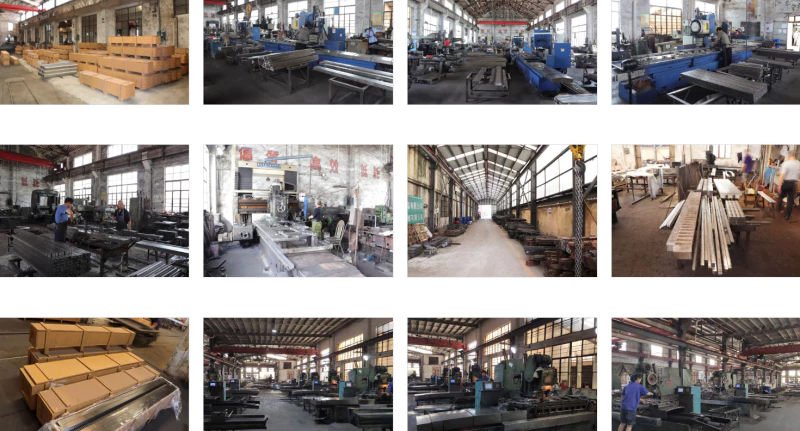
Our company is a leading manufacturer and supplier of high-quality herringbone gears for a wide range of industrial applications. Here are some reasons why you should choose us:
1. High-Quality Products
We use only the highest-quality materials and manufacturing processes to ensure that our herringbone gears are of the highest quality and reliability.
2. Competitive Pricing
We offer competitive pricing on all of our herringbone gears, without sacrificing quality or reliability.
3. Custom Solutions
We work closely with our customers to provide custom solutions that are tailored to their specific needs and requirements.
4. Expert Technical Support
Our team of expert engineers and technical support staff are available to provide support and guidance throughout the entire product lifecycle.
5. Strong After-Sales Service
We stand behind our products with a strong warranty and after-sales service program, ensuring that our customers are satisfied with their purchase.
Q&A
Q: What is the operating temperature range for herringbone gears?
A: The operating temperature range for herringbone gears can vary depending on the specific application and lubrication method used. Consult with a gear manufacturer or lubricant supplier to determine the correct operating temperature range for your application.
Q: What are some common applications for herringbone gears?
A: Herringbone gears are used in a variety of industrial applications, including automotive, power generation, heavy machinery, marine engineering, and manufacturing.
Q: How can I ensure that my herringbone gears operate efficiently and reliably?
A: Proper maintenance, including regular inspections, cleaning, lubrication, and part replacement, is critical to the proper operation and longevity of herringbone gears. Consult with a gear manufacturer or lubricant supplier for guidance on proper maintenance procedures.
Q: What factors should I consider when selecting a herringbone gear?
A: Factors to consider when selecting a herringbone gear include the specific application and operating conditions, material selection, design optimization, supplier and after-sales service, and cost-effectiveness and quality control.
Q: What are some potential areas for growth in herringbone gear products?
A: Some potential areas for growth in herringbone gear products include increased use in renewable energy applications, growing demand in the aerospace industry, and advancements in 3D printing technology.
Q: Why should I choose your company for my herringbone gear needs?
A: Our company offers high-quality, reliable herringbone gears at competitive prices, with custom solutions and strong technical support and after-sales service.
Author: Dream