herringbone gear machining

Herringbone Gear Machining and its Relation to Herringbone Gear

The herringbone gear machining process plays a crucial role in the production of herringbone gears. Herringbone gears, also known as double helical gears, are a type of gear that features two sets of teeth that are arranged in a V shape, resembling the skeleton of a fish. These gears are widely used in various industries due to their unique design, which provides benefits such as increased load-bearing capacity, reduced noise, and improved efficiency.
Herringbone Gear Machining and its Informational Connectivity
Herringbone gear machining involves the precise shaping and cutting of the gear teeth to ensure proper functionality and performance. The process typically includes several steps, such as gear blank preparation, gear hobbing or shaping, gear shaving or grinding, and final inspection. Each step requires meticulous attention to detail and the use of specialized machinery and tools.
By machining herringbone gears, manufacturers can create gears that offer superior performance and reliability. The precise machining process ensures accurate tooth profiles, which in turn leads to smoother and more efficient gear engagement. This is particularly important in high-speed and heavy-load applications where smooth gear operation is essential for optimal performance.
Performance Characteristics of Herringbone Gear
Herringbone gears possess several performance characteristics that make them highly desirable in various applications:
- High load-bearing capacity: The unique V-shaped tooth arrangement allows herringbone gears to distribute loads evenly, resulting in higher load-carrying capabilities.
- Reduced noise and vibration: The double helical design helps cancel out axial forces and minimize gear deflection, leading to quieter and smoother operation.
- Improved efficiency: The herringbone gear’s tooth engagement allows for a larger contact area, which enhances power transmission efficiency.
- Enhanced stability: The overlapping teeth of herringbone gears offer improved gear meshing stability, ensuring reliable and consistent performance.
- High precision and reliability: The precise machining process results in gears with accurate tooth profiles and tight tolerances, ensuring consistent performance and long service life.

Types of Herringbone Gear and Their Advantages
Herringbone gears are available in various types, each with its unique characteristics and advantages:
- Steel herringbone gears: These gears offer excellent strength, durability, and heat resistance, making them suitable for heavy-duty applications.
- Cast iron herringbone gears: Known for their high wear resistance and shock absorption properties, these gears are commonly used in machinery that operates under challenging conditions.
- Brass herringbone gears: These gears are prized for their corrosion resistance and low friction properties, making them ideal for applications that require high precision and smooth operation.
- Plastic herringbone gears: Offering lightweight and self-lubricating characteristics, plastic herringbone gears are often used in industries where minimizing noise and reducing maintenance are crucial.
Applications of Herringbone Gear in Various Industries
Herringbone gears find extensive use in a wide range of industries, including:
- Automotive industry: Herringbone gears are utilized in transmissions, differentials, and steering systems, ensuring reliable power transmission and smoother gear shifting.
- Power generation equipment: Herringbone gears are employed in turbines and generators, providing efficient torque transfer and reliable power generation.
- Heavy machinery: Herringbone gears are used in construction equipment and mining machinery, delivering exceptional strength and durability under heavy loads.
- Marine and offshore engineering: Herringbone gears are vital components in ship propulsion systems, ensuring efficient and reliable movement through water.
- Manufacturing industry: Herringbone gears are found in various manufacturing machinery, facilitating precise movement and control for improved productivity.
Future Trends and Opportunities for Herringbone Gear Products

The herringbone gear industry is expected to witness significant growth and opportunities in the coming years. Some future trends and opportunities for herringbone gear products include:
- Advancements in gear manufacturing technologies, such as computer numerical control (CNC) machining and 3D printing, will enable more precise and efficient production of herringbone gears.
- The increasing demand for energy-efficient machinery and vehicles will drive the need for high-performance herringbone gears that offer improved efficiency and reduced energy consumption.
- The expansion of industries such as renewable energy, aerospace, and robotics will create new applications and markets for herringbone gear products.
- There will be a growing focus on lightweight materials and designs to enhance overall equipment performance and fuel efficiency, presenting opportunities for herringbone gears made from advanced composite materials.
- The integration of smart technologies, such as sensors and data analytics, into herringbone gears will enable predictive maintenance and optimize gear performance.
Choosing the Right Herringbone Gear

Selecting the appropriate herringbone gear involves considering several factors:
- Clear understanding of specific requirements: Assessing the desired gear specifications, such as torque, speed, load capacity, and operating conditions, is crucial for selecting the right herringbone gear.
- Material selection: Choosing the appropriate gear material based on factors such as strength, durability, corrosion resistance, and cost.
- Design optimization: Collaborating with experienced engineers to optimize gear design for maximum performance and efficiency.
- Supplier and after-sales service: Evaluating the reputation, expertise, and reliability of gear suppliers, along with their ability to provide comprehensive after-sales support.
- Cost-effectiveness: Balancing the initial cost of the gear with its long-term performance, maintenance requirements, and overall value.
- Quality control: Ensuring that the herringbone gear undergoes thorough quality control measures to guarantee its performance and reliability.
Maintenance of Herringbone Gear
Proper maintenance is essential for maximizing the lifespan and performance of herringbone gears. Key maintenance practices include:
- Regular equipment inspections: Conducting routine inspections to identify any signs of wear, damage, or misalignment.
- Cleaning and corrosion prevention: Removing dirt, debris, and contaminants from gears and implementing suitable corrosion prevention measures.
- Lubrication and servicing: Applying the appropriate lubricants and performing regular servicing to ensure smooth gear operation and minimize friction and wear.
- Replacement of worn components: Promptly replacing any worn or damaged gear components to prevent further damage and maintain optimal gear performance.
- Improvement and upgrades: Continuously assessing gear performance and exploring opportunities for enhancing gear design and performance through improvements and upgrades.
Why Choose Us
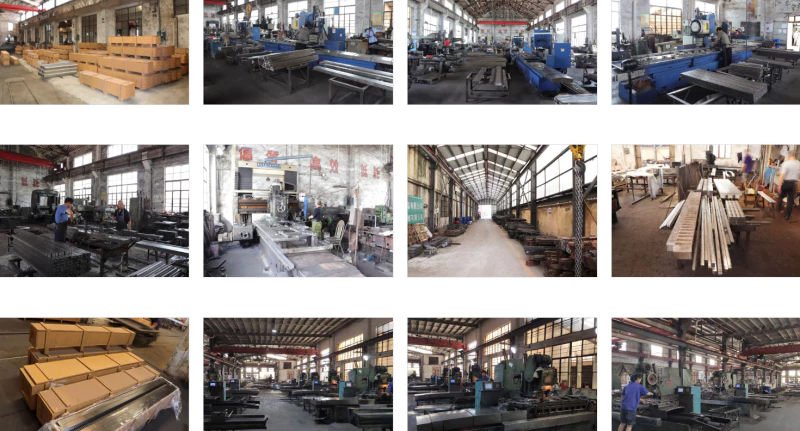
At our company, we specialize in the production and sale of high-quality herringbone gears. Our products offer several advantages, including:
- Exceptional durability and strength: Our herringbone gears are manufactured using premium materials and undergo stringent quality control measures to ensure superior durability and strength.
- Precision and reliability: We employ advanced machining techniques and adhere to strict quality standards, resulting in herringbone gears with precise tooth profiles and reliable performance.
- Customization options: We offer customization services to tailor herringbone gears to meet specific customer requirements, ensuring optimal performance in various applications.
- Excellent customer support: Our dedicated team provides comprehensive customer support, assisting with gear selection, technical queries, and after-sales service.
- Competitive pricing: We offer competitive pricing without compromising on the quality and performance of our herringbone gears, providing excellent value for our customers.
Q&A
- Q: What are the advantages of using herringbone gears over other gear types?
A: Herringbone gears offer higher load-bearing capacity, reduced noise and vibration, improved efficiency, enhanced stability, and high precision and reliability compared to other gear types. - Q: Can herringbone gears be used in high-speed applications?
A: Yes, herringbone gears are suitable for high-speed applications due to their unique tooth geometry, which ensures smooth and reliable gear engagement even at high speeds. - Q: Are herringbone gears more expensive than other gear types?
A: The cost of herringbone gears can vary depending on factors such as size, material, and manufacturing complexity. However, their long-term performance and durability often make them a cost-effective choice. - Q: How can herringbone gears contribute to energy efficiency?
A: The improved efficiency of herringbone gears reduces energy losses and promotes more efficient power transmission, ultimately contributing to overall energy efficiency in machinery and systems. - Q: Are herringbone gears suitable for harsh operating conditions?
A: Yes, herringbone gears, particularly those made from materials like cast iron and steel, exhibit excellent wear resistance and can withstand challenging operating conditions.
Author: Dream