herringbone gear maintenance tips

Herringbone Gear Maintenance Tips
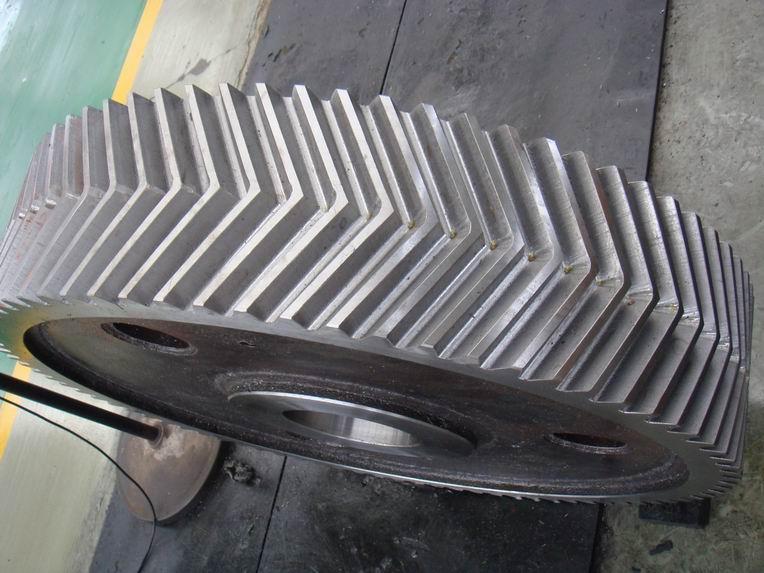
Introduction
Herringbone gears are widely used in various industries due to their unique design and performance. To ensure the longevity and efficiency of herringbone gears, proper maintenance is essential. In this article, we will provide valuable maintenance tips for herringbone gears, along with their informational significance.
Herringbone Gear Maintenance Tips
1. Regular Inspection:
Inspecting herringbone gears on a regular basis is crucial for identifying any potential issues. This includes checking for wear, damage, and proper alignment.
2. Cleaning and Corrosion Prevention:
Proper cleaning and corrosion prevention measures can significantly enhance the lifespan of herringbone gears. Regularly clean the gears and apply suitable anti-corrosion coatings.
3. Lubrication and Maintenance:
Applying the right lubricant and ensuring proper lubrication is vital for reducing friction and extending the gear’s life. Regularly monitor lubrication levels and perform maintenance as required.
4. Replacement of Worn Components:
Identifying and replacing worn or damaged gear components is essential to maintain optimal performance. Regularly inspect gears for any signs of wear and replace components promptly.
5. Improvements and Upgrades:
Continuously seek opportunities to improve herringbone gear performance through design optimization and upgrades. Stay updated with the latest advancements in gear technology.
Herringbone Gear Types and Characteristics
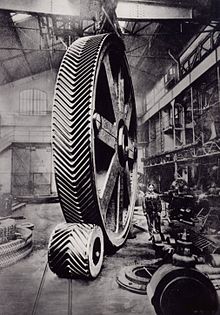
Herringbone gears are available in various types, each with its unique characteristics. These include:
1. Steel Herringbone Gears:
Characterized by high strength and durability, steel herringbone gears are widely used in heavy-duty applications that require maximum load-bearing capacity.
2. Brass Herringbone Gears:
Brass herringbone gears are known for their excellent wear resistance and low friction properties. They are commonly used in applications where noise reduction is crucial.
3. Plastic Herringbone Gears:
Plastic herringbone gears offer lightweight and cost-effective solutions. They are suitable for applications that require low noise, low load, and high speed.
Herringbone gears find extensive applications in various industries, including:
Automotive Industry
Herringbone gears are widely used in automotive transmissions for their ability to handle heavy loads and provide smooth power transmission.
Power Generation Equipment
The power generation sector relies on herringbone gears for applications such as wind turbines and hydroelectric generators, where high torque and reliability are essential.
Heavy Machinery
Herringbone gears play a crucial role in heavy machinery, such as construction equipment and mining machinery, due to their durability and load-bearing capabilities.
Marine and Offshore Engineering
In marine and offshore applications, herringbone gears are utilized in propulsion systems, ensuring efficient power transmission and maneuverability.
Manufacturing Industry
Herringbone gears are extensively used in manufacturing machinery, such as conveyors and industrial robots, for their precision and reliability.
Future Trends and Opportunities
The future of herringbone gears looks promising, with several trends and opportunities on the horizon:
1. Advanced Materials:
Continued research and development in materials science will lead to the emergence of new materials with enhanced strength and wear resistance for herringbone gears.
2. Precision Manufacturing:
Advancements in manufacturing technologies will enable the production of herringbone gears with even higher precision, resulting in improved performance and efficiency.
3. Automation and Robotics:
The increasing adoption of automation and robotics in various industries will drive the demand for reliable and high-performance herringbone gears.
4. Renewable Energy Sector:
As the renewable energy sector continues to grow, herringbone gears will play a vital role in wind turbines, solar tracking systems, and other green energy applications.
5. Industry Recommendations:
To capitalize on these opportunities, it is recommended that manufacturers invest in research and development, collaborate with industry partners, and adopt sustainable practices.
Choosing the Right Herringbone Gear
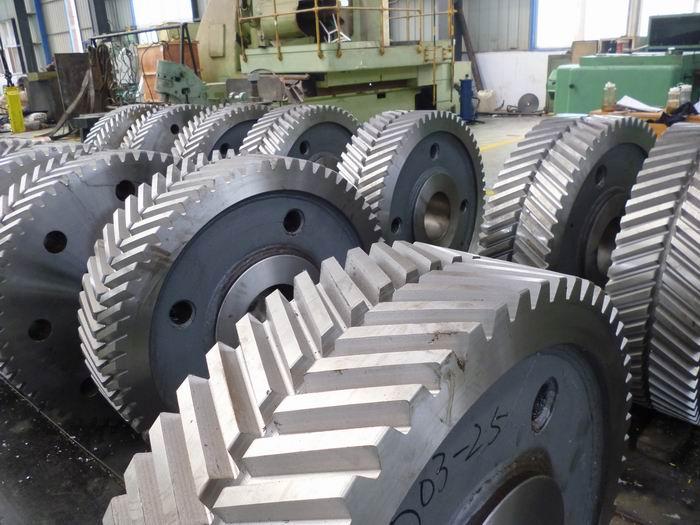
Choosing the correct herringbone gear involves several considerations:
1. Clear Requirements:
Identify the specific requirements of your application, including torque, speed, size, and load capacity.
2. Material Selection:
Select the appropriate gear material based on factors such as strength, wear resistance, and cost-effectiveness.
3. Design Optimization:
Optimize the gear design to ensure smooth operation, minimal noise, and maximum efficiency.
4. Supplier and After-Sales Service:
Choose a reputable gear supplier that offers reliable products and excellent after-sales support.
5. Cost-Effectiveness and Quality Control:
Consider the overall cost-effectiveness of the gear, including its lifespan, maintenance requirements, and quality control measures.
Herringbone Gear Maintenance
Proper maintenance of herringbone gears is essential for their long-term performance. This includes:
1. Regular Equipment Inspection:
Periodically inspect the gear system for any signs of wear, misalignment, or damage.
2. Cleaning and Anti-Corrosion Measures:
Ensure proper cleaning of gears and apply suitable anti-corrosion coatings to prevent rust and degradation.
3. Lubrication and Maintenance:
Follow the manufacturer’s lubrication guidelines and perform regular maintenance tasks, such as checking oil levels and replacing worn-out lubricants.
4. Replacement of Worn Components:
Identify and replace any worn or damaged gear components to maintain optimal performance and prevent further damage.
5. Improvements and Upgrades:
Continuously seek opportunities to improve gear performance through upgrades and advancements in gear technology.
Why Choose Us
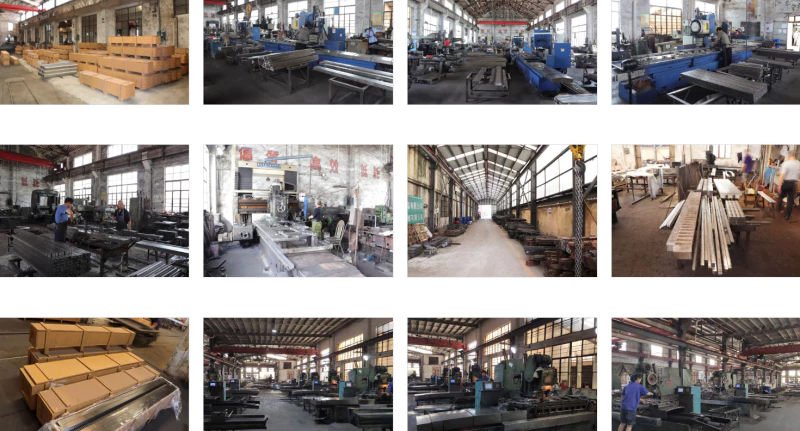
At our company, we specialize in the production and sale of high-quality herringbone gears. Here are five reasons why you should choose our products:
1. Superior Quality:
Our herringbone gears are manufactured using top-grade materials, ensuring exceptional quality and performance.
2. Customization Options:
We offer a wide range of customization options to meet your specific requirements and application needs.
3. Competitive Pricing:
We provide competitive pricing without compromising on the quality and reliability of our herringbone gears.
4. Technical Expertise:
Our team of experts has in-depth knowledge and experience in herringbone gear design and manufacturing.
5. Excellent Customer Support:
We are committed to providing excellent customer support, addressing your queries and concerns promptly and efficiently.
Q&A
Q1: Are herringbone gears suitable for high-speed applications?
A1: Herringbone gears are well-suited for high-speed applications due to their superior load-bearing capacity and smooth operation.
Q2: Can herringbone gears be used in underwater applications?
A2: Yes, herringbone gears can be used in underwater applications with proper sealing and corrosion-resistant materials.
Q3: What maintenance practices can extend the lifespan of herringbone gears?
A3: Regular inspection, proper lubrication, and timely replacement of worn components can significantly extend the lifespan of herringbone gears.
Q4: Can herringbone gears be used in low-noise applications?
A4: Yes, herringbone gears are known for their low noise characteristics, making them suitable for applications that require quiet operation.
Q5: Are herringbone gears more expensive than other gear types?
A5: The cost of herringbone gears depends on various factors, including the material, size, and customization requirements. However, they offer excellent value for the performance they provide.
Author: Dream