herringbone gear vs bevel gear

Herringbone Gear vs Bevel Gear: Exploring the Relationship
Introduction
In the realm of mechanical engineering, gears play a crucial role in transmitting power and motion between rotating shafts. Two commonly used types of gears are herringbone gears and bevel gears. In this article, we will delve into the differences and similarities between herringbone gears and bevel gears, specifically focusing on the informational aspects that underpin their relationship.
Herringbone Gear vs Bevel Gear: Understanding the Distinctions
Herringbone gears and bevel gears are both widely utilized in various industries due to their unique characteristics and performance capabilities. Let’s explore the key differentiating factors between these two types of gears:
1. Tooth Arrangement:
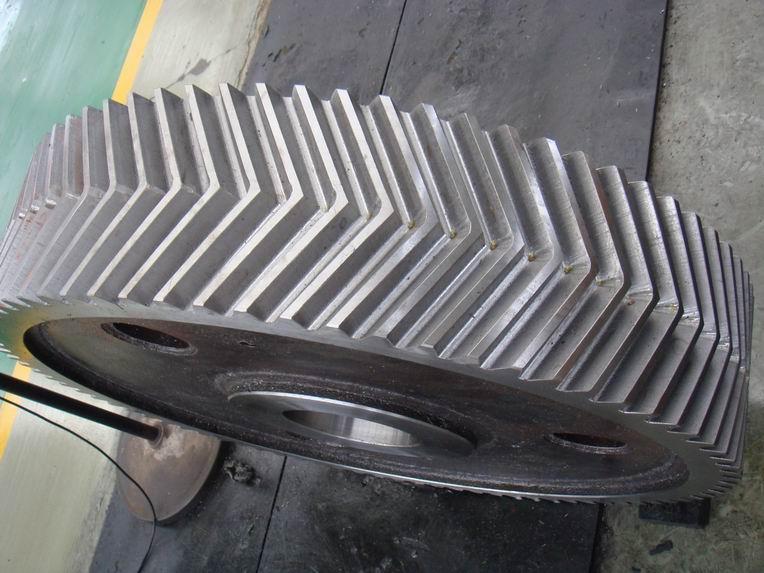
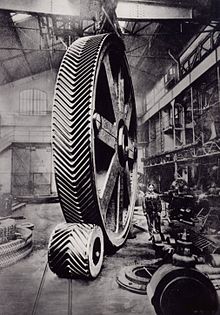
Herringbone gears feature a unique double helical tooth arrangement, which eliminates axial thrust forces and ensures smoother operation. On the other hand, bevel gears have straight teeth that are cut on a conical surface.
2. Load Capacity:
Due to their tooth arrangement, herringbone gears can handle higher loads and transmit more torque compared to bevel gears. The double helical design enhances the gear’s load-carrying capacity and reduces the risk of gear failure.
3. Noise and Vibration:
Herringbone gears are known for their excellent noise and vibration reduction properties. The opposing helical teeth cancel out the axial forces, resulting in quieter operation. Bevel gears, however, may produce more noise and vibration due to their straight tooth design.
4. Efficiency:
Herringbone gears offer high efficiency due to their improved tooth contact ratio. The double helical arrangement ensures better load distribution and minimizes friction, leading to higher overall efficiency. Bevel gears, while still efficient, may experience slightly lower efficiency levels.
5. Precision and Alignment:
Herringbone gears require precise alignment during the manufacturing process to ensure optimal performance. On the other hand, bevel gears are relatively easier to align and assemble.
Herringbone Gear: Performance Characteristics and Types
Herringbone gears possess several performance characteristics that make them highly sought after in the industry. Let’s explore some of these characteristics and the different types of herringbone gears:
1. High Strength:
Herringbone gears are known for their exceptional strength and durability. They can withstand heavy loads and harsh operating conditions without compromising performance.
2. Self-Alignment:
The double helical design of herringbone gears allows for self-alignment, reducing the need for frequent adjustments and maintenance.
3. Smooth Operation:
Due to their symmetrical tooth arrangement, herringbone gears provide smooth and reliable operation, minimizing vibrations and noise.
4. Parallel Axis Herringbone Gear:
This type of herringbone gear is commonly used in applications where high power transmission is required. It offers excellent load-carrying capacity and efficiency.
5. Skew Axis Herringbone Gear:
Skew axis herringbone gears are designed for applications that involve high-speed and high-torque requirements. They are widely used in industries such as automotive, power generation, heavy machinery, and manufacturing.
Applications in Various Industries
Herringbone gears find extensive application in a wide range of industries, including:
1. Automotive Industry:
Herringbone gears are utilized in automobile transmissions, differential systems, and engine components. Their high load-carrying capacity and efficiency make them ideal for these applications.
2. Power Generation Equipment:
In power plants and generators, herringbone gears are employed to transmit power between turbines, generators, and other rotating machinery. Their robustness ensures reliable operation even under challenging conditions.
3. Heavy Machinery:
Herringbone gears are commonly found in heavy machinery such as mining equipment, construction machinery, and agricultural machinery. Their ability to handle heavy loads and transmit power efficiently makes them indispensable in these industries.
4. Marine and Offshore Engineering:
The marine industry extensively utilizes herringbone gears in propulsion systems, winches, and other critical components. The gear’s strength and performance ensure efficient and reliable operation in marine environments.
5. Manufacturing Sector:
Herringbone gears are essential in various manufacturing processes, including conveyor systems, machine tools, and industrial robotics. Their precision and load-carrying capabilities contribute to smooth and efficient production operations.
Future Trends and Opportunities
The herringbone gear industry is poised for significant growth and development. Some potential future trends and opportunities include:
1. Advancements in Gear Materials:
Continuous research and development in gear materials can lead to the introduction of stronger and more durable herringbone gears, further expanding their range of applications.
2. Integration of Automation:
With the rise of automation and Industry 4.0, herringbone gears can be integrated into advanced robotic systems, enhancing precision and efficiency in industrial processes.
3. Sustainable Manufacturing Practices:
There is a growing emphasis on sustainable manufacturing practices. Herringbone gears can contribute to this trend by incorporating eco-friendly materials and optimizing energy efficiency.
4. Customization and Specialization:
As industries demand more specialized solutions, there are opportunities for manufacturers to offer customized herringbone gears tailored to specific applications.
5. Collaboration and Partnerships:
Collaborating with other industry players and forming strategic partnerships can foster innovation, drive technological advancements, and create new market opportunities for herringbone gear manufacturers.
Choosing the Right Herringbone Gear
Selecting the appropriate herringbone gear involves considering various factors. Here are some key aspects to analyze:
1. Clear Requirements:
Clearly define the specific requirements of the application, including load capacity, speed, and environmental conditions. This will help in selecting the gear with the desired characteristics and performance capabilities.
2. Material Selection:
Choose the appropriate gear material based on factors such as strength, wear resistance, and corrosion resistance. Different materials, including alloy steels and specialty alloys, offer distinct advantages in terms of performance and longevity.
3. Design Optimization:
Optimize the gear design to ensure maximum efficiency and minimize the risk of failure. Fine-tune the tooth profile, contact ratio, and other design parameters to meet the specific application demands.
4. Supplier and After-Sales Service:
Partner with reputable suppliers who can provide high-quality herringbone gears and reliable after-sales support. A reliable supplier ensures timely delivery, technical assistance, and maintenance services when required.
5. Cost-Effectiveness:
Consider the overall cost-effectiveness of the gear, including factors such as initial investment, maintenance requirements, and lifecycle costs. Balancing performance with cost is crucial in making the right choice.
Herringbone Gear Maintenance
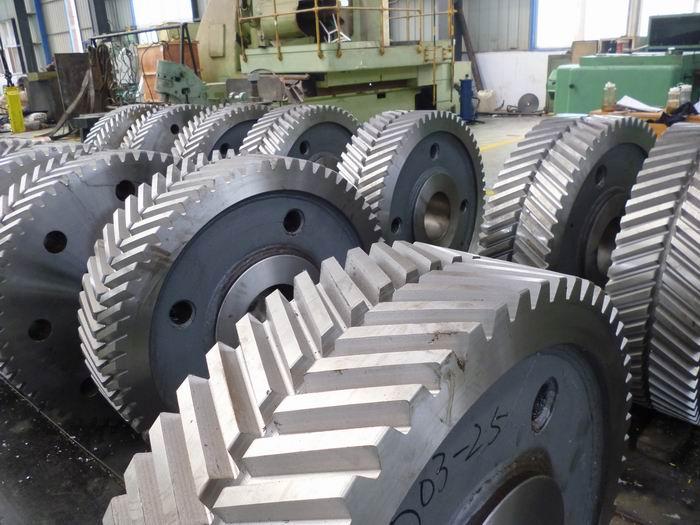
Proper maintenance is vital to ensure the longevity and optimal performance of herringbone gears. Here are some maintenance practices to follow:
1. Regular Equipment Inspections:
Perform routine inspections to identify any signs of wear, damage, or misalignment. Addressing these issues promptly can prevent further damage and ensure consistent performance.
2. Cleaning and Corrosion Prevention:
Keep the gears clean and free from dirt, debris, and contaminants. Implement appropriate corrosion prevention measures to protect against rust and other forms of corrosion.
3. Lubrication and Care:
Apply suitable lubricants to minimize friction and wear between gear teeth. Follow manufacturer recommendations for lubrication intervals and use high-quality lubricants for optimal performance.
4. Replacement of Worn Components:
Monitor the wear levels of gear components and replace them when necessary. Regularly inspect gear teeth, bearings, and other critical parts to identify any signs of wear or damage.
5. Improvement and Upgrades:
Continuously explore opportunities for improvement and upgrades to enhance gear performance and efficiency. Incorporate technological advancements or design modifications when beneficial.
Why Choose Us: Introducing Our Professional Herringbone Gear
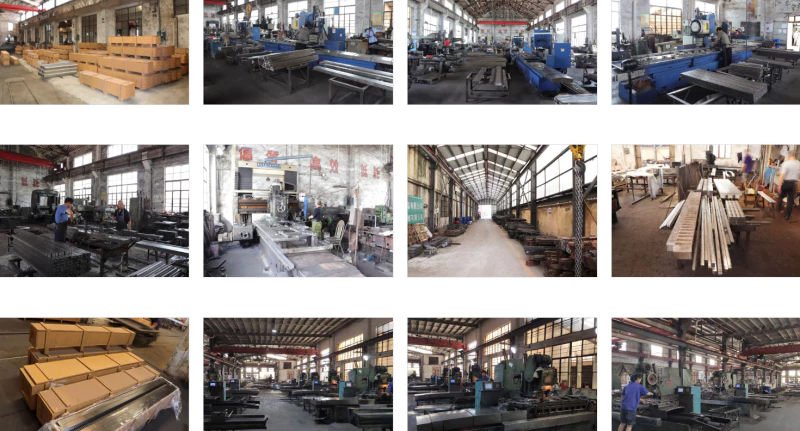
At [Company Name], we specialize in the production and sale of high-quality herringbone gears. Our products are designed and manufactured to meet the most demanding industrial requirements. Here are five reasons to choose our products and benefit from our company’s strengths:
1. Exceptional Durability:
Our herringbone gears are constructed using premium materials, ensuring exceptional strength, durability, and longevity.
2. Customization Capabilities:
We offer customization options to tailor our herringbone gears to suit specific application needs, providing optimized solutions for various industries.
3. Precision Engineering:
With our state-of-the-art manufacturing facilities and skilled engineers, we guarantee precise and reliable herringbone gears that meet the highest quality standards.
4. Technical Expertise:
Our team of experienced professionals possesses extensive knowledge and expertise in herringbone gear design, ensuring optimal performance and efficiency in diverse applications.
5. Comprehensive Customer Support:
We are committed to providing excellent customer support, including timely delivery, technical assistance, and after-sales service, to ensure complete customer satisfaction.
Q&A Section
1. Q: Can herringbone gears be used in high-speed applications?
A: Yes, herringbone gears can be designed and manufactured to handle high-speed requirements, especially skew axis herringbone gears.
2. Q: Are herringbone gears suitable for heavy-duty industrial applications?
A: Absolutely. Herringbone gears are renowned for their high load-carrying capacity and strength, making them ideal for heavy-duty applications in various industries.
3. Q: How do herringbone gears reduce noise and vibration?
A: The double helical tooth arrangement in herringbone gears cancels out axial forces, resulting in smoother operation and reduced noise and vibration levels.
4. Q: Can herringbone gears be used in wet environments?
A: Yes, herringbone gears can be manufactured using corrosion-resistant materials, making them suitable for wet and corrosive environments such as marine applications.
5. Q: Are herringbone gears more expensive than other gear types?
A: The cost of herringbone gears can vary depending on factors such as size, material, and customization. However, when considering their performance and longevity, they often provide excellent value for money.
Author: Dream