herringbone gear vs straight gear

Herringbone Gear vs Straight Gear: Exploring the Differences and Advantages
When it comes to gear systems, two main types are widely used – herringbone gear and straight gear. Both types have their own advantages and limitations, and choosing the right one depends on the specific application and requirements.
Herringbone Gear vs Straight Gear – What’s the Difference?
One of the main differences between herringbone gear and straight gear is the shape of their teeth. Straight gears have teeth that are parallel to the axis of rotation, while herringbone gears have teeth that are angled in a V-shape. This angled design allows for smoother engagement between the gears and reduces noise and vibration.
Herringbone gears are also capable of transmitting higher torques and can handle greater loads than straight gears. However, they are more complex and expensive to manufacture, which makes them less commonly used in some applications.
The Informational Connection Between Herringbone Gear vs Straight Gear and Herringbone Gear
Herringbone gears are a subtype of double helical gears, which means they have two sets of teeth that are angled in opposite directions. This design reduces the axial thrust that is generated by the gear system, making it more stable and efficient. Herringbone gears are commonly used in high-speed applications, such as in turbomachinery and power transmission systems.
The herringbone design of the gear teeth also allows for greater contact area between the gears, which improves load distribution and reduces wear and tear. This makes herringbone gears ideal for heavy-duty applications that require high torque and durability.

Performance Characteristics of Herringbone Gear
One of the main advantages of herringbone gears is their ability to handle higher loads and transmit greater torque than straight gears. Their unique tooth design also reduces noise and vibration, making them ideal for high-speed applications that require smooth operation.
Herringbone gears are also more efficient than straight gears, as they have a larger contact area between the teeth. This reduces friction and wear, which extends the lifespan of the gear system and improves its overall performance.
Another advantage of herringbone gears is their ability to handle misalignment between the gears. Due to their V-shaped teeth, herringbone gears can tolerate small variations in the gear alignment without affecting the overall performance of the system.
Types of Herringbone Gear and Their Characteristics
Herringbone gears are available in different types and materials, each with its own set of advantages and limitations.
Steel herringbone gears are commonly used in heavy-duty applications, such as in mining equipment and wind turbines. They are highly durable and can handle extreme loads and torques.
Brass herringbone gears are ideal for applications that require smooth operation and low noise levels. They are often used in precision instruments and musical instruments.
Plastic herringbone gears are lightweight and cost-effective, making them ideal for applications that require low torque and speed. They are often used in consumer electronics and hobbyist projects.

Applications of Herringbone Gear in Different Industries
Herringbone gears are widely used in various industries, including:
- Automotive industry: Herringbone gears are used in differential systems and transmission systems.
- Power generation: Herringbone gears are used in turbines and generators.
- Heavy machinery: Herringbone gears are used in mining equipment and construction machinery.
- Marine engineering: Herringbone gears are used in ship propulsion systems and winches.
- Manufacturing: Herringbone gears are used in industrial machines and precision instruments.
The Future of Herringbone Gear and Its Opportunities
Herringbone gears are expected to see continued growth in demand, as industries seek out more efficient and durable gear systems for their machinery. The development of new materials and manufacturing techniques is also expected to drive innovation in the herringbone gear industry.
One area of opportunity for herringbone gears is in the renewable energy sector, where wind turbines and solar power systems require high-performance gear systems to operate efficiently.

Choosing the Right Herringbone Gear – Factors to Consider
Choosing the right herringbone gear for an application depends on several factors, including:
- Clear Requirements: Clearly defining the requirements of the application, such as torque, load, and speed, can help narrow down the options for herringbone gears.
- Material Selection: Choosing the right material for the herringbone gear depends on the specific application and the environment in which it will operate.
- Design Optimization: Optimizing the design of the herringbone gear system can improve its efficiency and performance.
- Supplier and After-Sales Service: Selecting a reputable supplier and ensuring reliable after-sales service can help ensure the long-term performance of the gear system.
- Cost Effectiveness: Balancing the cost of the gear system with its performance and durability is important in ensuring the best value for money.
- Quality Control: Ensuring the quality of the herringbone gear system is essential in preventing premature failure and minimizing downtime.
Herringbone Gear Maintenance
Maintaining herringbone gears is essential in ensuring their long-term performance and durability. Some maintenance tasks include:
- Regular Equipment Checks: Regularly checking the gear system for signs of wear and damage can help prevent premature failure.
- Cleaning and Corrosion Prevention: Keeping the gear system clean and free from corrosion can help extend its lifespan.
- Lubrication and Maintenance: Proper lubrication and maintenance of the gear system can improve its efficiency and reduce wear and tear.
- Replacing Worn Components: Replacing worn and damaged components can help prevent further damage to the gear system.
- Upgrading and Improving: Upgrading and improving the gear system can help optimize its performance and efficiency.
Why Choose Us?
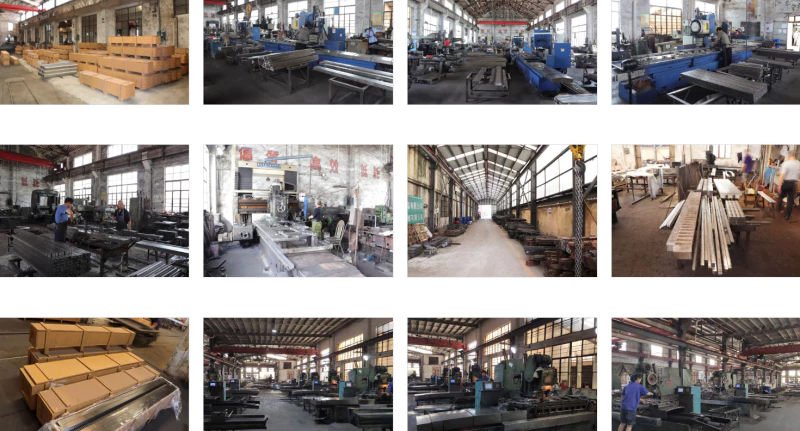
At our company, we specialize in the design and manufacture of high-quality herringbone gears that are tailored to the specific needs of our clients. Our products are made from the finest materials and are built to withstand the toughest environments and applications.
Here are some of the reasons why you should choose us:
- Expertise: We have a team of highly skilled engineers and technicians who are experts in the design and manufacture of herringbone gears.
- Quality: We are committed to delivering products of the highest quality, and we conduct rigorous quality control checks to ensure that every product meets our strict standards.
- Customization: We offer customized solutions that are tailored to the specific needs of our clients.
- Competitive Pricing: We offer competitive pricing that provides excellent value for money.
- After-Sales Service: We provide reliable after-sales service and support to ensure the long-term performance of our products.
Q&A
Q: What are the advantages of herringbone gears over straight gears?
A: Herringbone gears have several advantages over straight gears, including better load distribution, smoother operation, and greater torque-carrying capacity. They also generate less noise and vibration, making them ideal for high-speed applications.
Q: What are the main types of herringbone gears?
A: The main types of herringbone gears include steel, brass, and plastic gears. Each type has its own set of advantages and limitations, and choosing the right one depends on the specific application and requirements.
Q: Are herringbone gears more expensive than straight gears?
A: Yes, herringbone gears are generally more expensive to manufacture than straight gears due to their more complex design. However, their higher performance and durability make them a worthwhile investment in many applications.
Q: How can I choose the right herringbone gear for my application?
A: Choosing the right herringbone gear depends on several factors, including the torque, load, and speed requirements of the application, the environment in which it will operate, and the cost-effectiveness of the gear system. Consulting with an expert in herringbone gear design and manufacture can help ensure the right choice.
Q: What maintenance tasks are required for herringbone gears?
A: Herringbone gears require regular equipment checks, cleaning and corrosion prevention, proper lubrication and maintenance, and replacing worn or damaged components. Upgrading and improving the gear system can also help optimize its performance and efficiency.
Author: Dream