how automobile gears work

How Automobile Gears Work
Introduction
In this article, we will explore the intricate workings of automobile gears and their relationship with the Automobile gear.

Understanding Automobile Gears
Automobile gears play a crucial role in the transmission and power delivery system of vehicles. They are mechanical devices that transmit torque and control the speed of the vehicle. The gears change the rotational speed and torque of the engine, allowing the vehicle to achieve different speeds and handle various driving conditions.
Automobile Gear Performance Characteristics
1. Durability: Automobile gears are designed to withstand high levels of stress and ensure a long lifespan.
2. Efficiency: These gears are engineered to minimize energy loss and maximize power transfer.
3. Precision: Automobile gears are manufactured with precise measurements to ensure smooth and accurate operation.
4. Noise Reduction: Advanced technologies are employed to minimize gear noise during operation.
5. Heat Dissipation: Automobile gears are designed to dissipate heat effectively and prevent overheating.

Types of Automobile Gears
1. Spur Gears: These gears have straight teeth and are commonly used in lower-speed applications.
2. Helical Gears: With angled teeth, helical gears offer smoother and quieter operation.
3. Bevel Gears: These gears have conical shape and are used in applications that require changing the direction of the power transmission.
4. Worm Gears: Worm gears provide high gear ratios and are frequently used in automotive steering systems.
5. Planetary Gears: These gears consist of multiple gears and are used in automatic transmissions for speed and torque control.
Applications of Automobile Gears
Automobile gears find extensive applications in various areas:
- Transmission Systems: Gears are integral components of the vehicle’s transmission system, allowing smooth shifting between gears.
- Drive Systems: Gears transfer power from the engine to the wheels, enabling the vehicle to move forward or backward.
- Steering Systems: Gears are used in the steering mechanism to control the direction of the vehicle.
- Power Steering Pumps: Gears assist in providing the necessary hydraulic pressure for power steering.
- Starter Motors: Gears help in engaging the flywheel and starting the engine.
Future Trends and Opportunities of Automobile Gears
The automotive industry is constantly evolving, and so are the automobile gears. Some future trends and opportunities include:
- Development of Electric Vehicle Gears: As electric vehicles become more prevalent, there will be a growing demand for gears suitable for electric drivetrains.
- Integration of Advanced Materials: The use of lightweight and high-strength materials in gear manufacturing can enhance efficiency and performance.
- Enhanced Gear Design: Continuous improvement in gear design will lead to more compact and efficient gear systems.
- Shift towards Automatic Transmissions: Automatic transmissions are gaining popularity, creating opportunities for innovative gear technologies.
- Increased Focus on Noise Reduction: The automotive industry is placing significant importance on reducing gear noise for a quieter driving experience.

Choosing the Right Automobile Gear
Selection of the correct automobile gear involves several considerations:
- Clearly Define Requirements: Understand the specific needs and performance goals to choose the appropriate gear.
- Material Selection: Select the right material based on factors such as strength, durability, and heat resistance.
- Design Optimization: Optimize gear design to achieve the desired performance, efficiency, and reliability.
- Supplier and After-Sales Service: Collaborate with reputable suppliers who offer reliable products and excellent after-sales support.
- Cost-Effectiveness: Evaluate the cost-effectiveness of the gear solution, considering both upfront costs and long-term benefits.
- Quality Control: Ensure rigorous quality control measures to maintain consistent gear performance and reliability.
Maintaining Automobile Gears
Proper maintenance of automobile gears is crucial for optimal performance and durability:
- Regular Equipment Inspection: Conduct routine inspections to identify any potential issues and ensure smooth operation.
- Cleaning and Corrosion Prevention: Keep gears clean and apply appropriate anti-corrosion measures to prevent damage.
- Lubrication and Care: Proper lubrication helps reduce friction and wear, extending the gear’s lifespan.
- Replacement of Worn Parts: Replace any worn or damaged gear components promptly to avoid further damage.
- Improvement and Upgrades: Explore opportunities for gear enhancements and upgrades to improve performance and efficiency.
Why Choose Us
Author: Dream
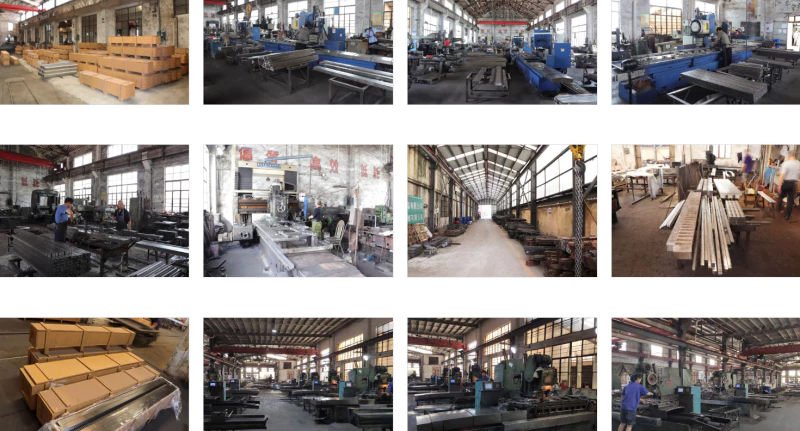
Our company specializes in the production and sale of high-quality Automobile gears. Here are five reasons to choose our products:
- Exceptional Durability: Our gears are manufactured using premium materials, ensuring long-lasting performance.
- Unmatched Precision: Each gear is meticulously crafted with precise measurements for optimal operation.
- Reliable Performance: Our gears deliver consistent and reliable performance under various operating conditions.
- Industry-Leading Expertise: With years of experience, we possess extensive knowledge and expertise in gear manufacturing.
- Superior Customer Support: We provide excellent customer support, ensuring a seamless experience for our clients.
Q&A
1. How often should automobile gears be inspected?
2. What materials are commonly used for manufacturing automobile gears?
3. Can automobile gears be customized for specific applications?
4. What are the key factors affecting the efficiency of automobile gears?
5. Are there any advancements in gear technology that could impact the automotive industry?