how epicyclic gears work

How Epicyclic Gears Work
Epicyclic gears, also known as planetary gears, are a type of gear system that consists of a central gear (sun gear), an outer ring gear (ring gear), and planetary gears that rotate around the sun gear and mesh with the ring gear. In this article, we will delve into the working of epicyclic gears, their types, applications, maintenance, and how to select the correct gear.
How Epicyclic Gears Work and Their Informational Relationship with Epicyclic Gear
Epicyclic gears work based on the principle of combining the rotation of two gears to produce a different speed ratio. The sun gear is the central gear that remains stationary, and the ring gear is the outer gear that rotates around the sun gear. The planetary gears, also known as satellite gears, mesh with both the sun and ring gears and rotate around the sun gear. This gear system allows for multiple gear ratios, depending on how the gears are arranged.
The epicyclic gear system is informational about epicyclic gear’s ability to increase torque and reduce speed. As the epicyclic gear rotates, the planetary gears rotate around the sun gear, creating an overall gear ratio that is the sum of the gear ratios between the sun gear and each planetary gear. This results in a higher torque output, which is useful in many applications.

Performance Characteristics of Epicyclic Gear
Epicyclic gears have several performance characteristics that make them desirable in many applications.
- High Efficiency: Epicyclic gears have a very high efficiency rate, typically between 95% to 98%, which means that very little power is lost in the gear system.
- Compact Design: The design of epicyclic gears is very compact, making them ideal for applications where space is limited.
- High Torque Density: The use of planetary gears allows for a high torque output in a small package.
- Low Noise: Epicyclic gears produce very little noise, making them ideal for applications where noise is a concern.
- High Reliability: Epicyclic gears are very reliable and can withstand high loads and shock loads.
Types and Characteristics of Epicyclic Gear
Epicyclic gears come in various types, each with its own unique characteristics.
- Simple Planetary Gear: This type of epicyclic gear system consists of a sun gear, a ring gear, and one or more planetary gears. It provides a high torque output and is commonly used in automotive applications.
- Compound Planetary Gear: This type of epicyclic gear system consists of multiple planet gears that mesh with a sun gear and a ring gear. It provides a higher gear ratio and is commonly used in industrial applications.
- Harmonic Drive Gear: This type of epicyclic gear system is used where high precision and low backlash are required. It uses a flexible spline and a wave generator to produce a high gear ratio.
- Planetary Differential Gear: This type of epicyclic gear system is used in four-wheel-drive vehicles to distribute power to the wheels.
Different materials are used to manufacture epicyclic gears, with each material having its advantages. Steel is a commonly used material for high-load applications, while aluminum is used for lightweight applications. Nylon is used for low-load applications, while brass and bronze are used for low-speed applications.

Applications of Epicyclic Gear
Epicyclic gears find applications in various industries due to their unique characteristics.
- Automotive Industry: Epicyclic gears are commonly used in automotive transmissions, steering systems, and differential systems due to their high torque density and compact design.
- Aerospace Industry: Epicyclic gears are used in aircraft engines and landing gear systems due to their high reliability and low noise.
- Industrial Equipment: Epicyclic gears find applications in industrial equipment such as conveyor systems, cranes, and hoists due to their high efficiency and torque output.
- Wind Power Generation: Epicyclic gears are used in wind turbines to transmit power from the blades to the generator due to their high torque density and low noise.
- Robotics Technology: Epicyclic gears are commonly used in robotic arms and grippers due to their compact design and high precision.
Future Development and Opportunities of Epicyclic Gear
The future of epicyclic gear looks promising, with increasing demand for compact and high-torque gear systems. The development of new materials and manufacturing techniques has opened up new opportunities to produce more efficient and reliable epicyclic gears. The use of computer-aided design and simulation has also enabled the design of more complex and optimized gear systems.
To capitalize on these opportunities, companies should invest in research and development to produce more efficient and reliable epicyclic gears. They should also focus on improving their manufacturing processes to reduce costs and increase production rates.

How to Select the Correct Epicyclic Gear
Choosing the correct epicyclic gear requires a thorough understanding of the application and the gear system’s requirements. Here are some factors to consider when selecting the correct epicyclic gear:
- Clarify Needs: Determine the application’s requirements, including torque, speed, and efficiency.
- Material Selection: Choose the appropriate material based on the application’s requirements.
- Design Optimization: Optimize the gear system design to ensure that it meets the required performance specifications.
- Supplier and After-Sales Service: Choose a reliable supplier that provides after-sales service and support.
- Cost-Effective: Choose a gear system that provides the best cost-benefit ratio.
- Quality Control: Ensure that the gear system meets the required quality standards and has undergone rigorous testing.
Epicyclic Gear Maintenance
Proper maintenance is essential to ensure that the epicyclic gear system operates smoothly and efficiently. Some maintenance tips include:
- Regular Inspection: Perform regular inspections of the gear system to detect any signs of wear or damage.
- Cleaning and Corrosion Prevention: Clean the gear system regularly and apply anti-corrosion coatings to prevent rust and corrosion.
- Lubrication and Maintenance: Lubricate the gear system regularly and perform any necessary maintenance, such as replacing worn parts.
- Improvement and Upgrades: Consider upgrading the gear system to improve its performance and reliability.
Why Choose Us
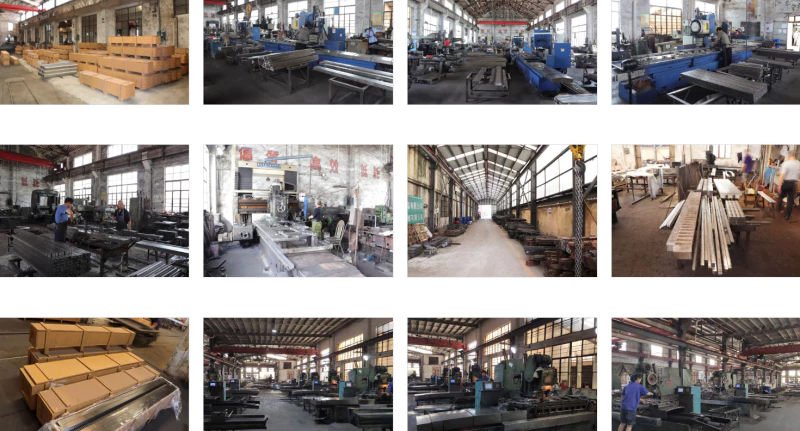
Our company specializes in the production and sales of high-quality epicyclic gears for various industries. Our products offer several advantages, including:
- High-Quality Material: We use only high-quality materials that meet or exceed industry standards.
- Custom Design: We offer customized design solutions to meet our customers’ specific requirements.
- Competitive Pricing: We offer competitive pricing without compromising on quality.
- Excellent Customer Service: We provide excellent customer service and support to ensure that our customers are satisfied.
- Fast Delivery: We offer fast and reliable delivery of our products to minimize downtime and ensure smooth operations.
Q&A
Q: What is the difference between a simple and compound epicyclic gear system?
A: A simple epicyclic gear system consists of a sun gear, a ring gear, and one or more planetary gears, while a compound epicyclic gear system consists of multiple planet gears that mesh with a sun gear and a ring gear.
Q: What are the benefits of using epicyclic gears in wind turbines?
A: Epicyclic gears are ideal for wind turbines due to their high torque density and low noise.
Q: What is the future of epicyclic gears?
A: The future of epicyclic gears looks promising, with increasing demand for compact and high-torque gear systems.
Q: How do I select the correct epicyclic gear?
A: Choosing the correct epicyclic gear requires a thorough understanding of the application and gear system’s requirements.
Q: How do I maintain my epicyclic gear system?
A: Proper maintenance is essential to ensure that the epicyclic gear system operates smoothly and efficiently.