how to inspect automobile gear teeth

How to Inspect Automobile Gear Teeth
Automobile gear teeth are an important part of the vehicle’s powertrain system that helps transmit power and torque to the wheels. Inspecting gear teeth is crucial to prevent unexpected failures and breakdowns. In this article, we will discuss how to inspect automobile gear teeth and their relationship to the automobile gear.
How to Inspect Automobile Gear Teeth
Inspecting automobile gear teeth requires proper knowledge and tools. The inspection process usually involves the following steps:
Clean the Gear Teeth
Before inspecting the gear teeth, you need to clean them thoroughly. Use a degreaser and a wire brush to remove any dirt, debris, or grease on the gear teeth’s surface. Then, rinse the gear with clean water and dry it with compressed air.
Measure the Gear Teeth
After cleaning the gear teeth, you need to measure them to ensure they are within acceptable tolerance limits. The measurements should include gear tooth thickness, width, and pitch. Use a gear tooth vernier caliper or a micrometer to take the measurements.
Check for Wear and Damage
Inspect the gear teeth for any signs of wear, pitting, corrosion, cracks, or chips. If you notice any of these symptoms, the gear teeth may need repair or replacement.
Check the Gear Teeth Contact Pattern
Check the gear teeth contact pattern to ensure proper meshing of the gears. The contact pattern should be uniform and centered on the gear teeth.

Automobile Gear Performance
Automobile gears are crucial components of the vehicle’s powertrain system that help transmit power and torque to the wheels. The performance of automobile gears depends on various factors, including:
Load Capacity
Automobile gears should be able to withstand the maximum load capacity of the vehicle without failure or damage.
Noise and Vibration
Automobile gears should operate smoothly without excessive noise or vibration.
Efficiency
Automobile gears should transmit power and torque efficiently without significant energy losses.
Durability
Automobile gears should have a long service life and resist wear, corrosion, and damage.
Compatibility
Automobile gears should be compatible with other powertrain components and work together seamlessly.

Types and Characteristics of Automobile Gears
Automobile gears come in various types and materials, each with its unique characteristics and advantages:
Spur Gears
Spur gears are the most common type of gear used in vehicles. They have straight teeth and are easy to manufacture and maintain.
Helical Gears
Helical gears have angled teeth that create a smoother meshing and reduce noise and vibration.
Bevel Gears
Bevel gears have cone-shaped teeth and transmit power at an angle. They are used in the differential and steering systems.
Worm Gears
Worm gears have a screw-shaped gear that meshes with a worm wheel. They provide high gear reduction and are used in the power steering system.
Materials
Automobile gears can be made of various materials, including steel, cast iron, bronze, and plastics. Each material has its advantages and disadvantages, such as strength, durability, cost, and weight.

Applications of Automobile Gears
Automobile gears are used in various applications in the powertrain system, including:
Transmission System
Automobile gears are used in the transmission system to transmit power and torque from the engine to the wheels. They allow the vehicle to change gears and adjust speed smoothly.
Drive System
Automobile gears are used in the drive system to transfer power and torque from the transmission to the wheels. They allow the vehicle to move forward or backward.
Steering System
Automobile gears are used in the steering system to control the direction of the vehicle. They allow the driver to turn the wheels left or right.
Power Steering Pump
Automobile gears are used in the power steering pump to assist the driver in steering the vehicle. They amplify the hydraulic pressure and reduce the effort required to turn the wheels.
Starter Motor
Automobile gears are used in the starter motor to crank the engine and start the vehicle. They provide the necessary torque to turn the engine over.

How to Choose the Right Automobile Gear
Choosing the right automobile gear requires careful consideration of various factors, including:
Clear Requirements
Define your requirements clearly, such as load capacity, speed, torque, noise, and vibration limits.
Material Selection
Select the appropriate gear material based on your requirements and budget, such as steel, cast iron, bronze, or plastics.
Design Optimization
Optimize the gear design based on your requirements and operating conditions, such as tooth profile, face width, and pitch angle.
Supplier and After-Sales Service
Select a reputable supplier that offers quality products and reliable after-sales service, such as warranty, repair, and replacement.
Cost-Effectiveness
Consider the total cost of ownership, including the purchase price, maintenance costs, and operating costs.
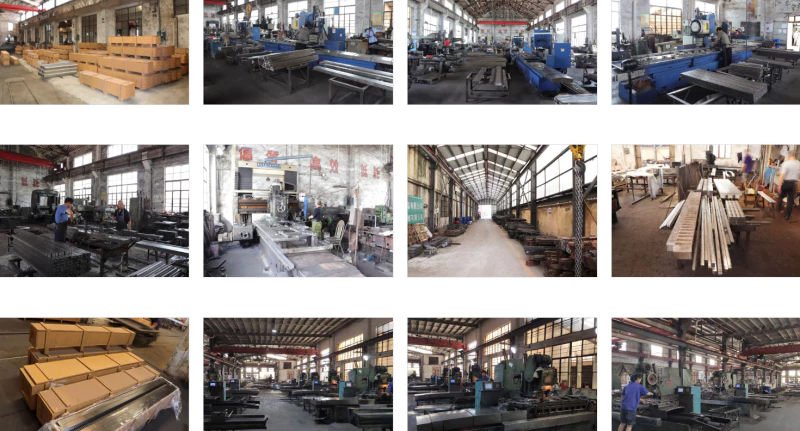
Why Choose Us
Our company specializes in the production and sale of high-quality automobile gears that meet or exceed industry standards. Our products and services offer the following advantages:
Wide Range of Products
We offer a wide range of automobile gears, including spur gears, helical gears, bevel gears, worm gears, and others, in various sizes and materials.
Customization Options
We offer customized solutions to meet your specific requirements and operating conditions, such as gear design, material selection, and surface treatment.
Quality Assurance
We have a strict quality control system that ensures our products meet or exceed industry standards and our customers’ expectations.
Competitive Pricing
We offer competitive pricing that reflects the quality and value of our products and services.
Professional Support
We have a professional team that provides technical support, customer service, and after-sales service to ensure our customers’ satisfaction.
Q&A
Q: How often should I inspect my automobile gear teeth?
A: You should inspect your automobile gear teeth regularly, preferably every six months or 10,000 miles, whichever comes first.
Q: What are the signs of worn-out automobile gear teeth?
A: The signs of worn-out automobile gear teeth include noise, vibration, grinding, slipping, and reduced performance.
Q: Can I repair worn-out automobile gear teeth?
A: It depends on the extent of the damage. Minor wear can be repaired by re-grinding or re-shaping the gear teeth. However, severe damage may require replacement.
Q: What lubricants should I use for my automobile gears?
A: You should use the lubricants recommended by the gear manufacturer based on the gear type, material, and operating conditions.
Q: How can I prolong the service life of my automobile gears?
A: You can prolong the service life of your automobile gears by performing regular maintenance, such as cleaning, lubricating, and inspecting the gears, and operating the vehicle under the recommended conditions.
Author: Dream