how to prevent automobile gear failure

How to Prevent Automobile Gear Failure
Introduction
Gears are crucial components in automobile systems, and preventing gear failure is essential for the smooth operation and longevity of a vehicle. In this article, we will explore various aspects of automobile gear failure prevention and its relationship with automobile gear.
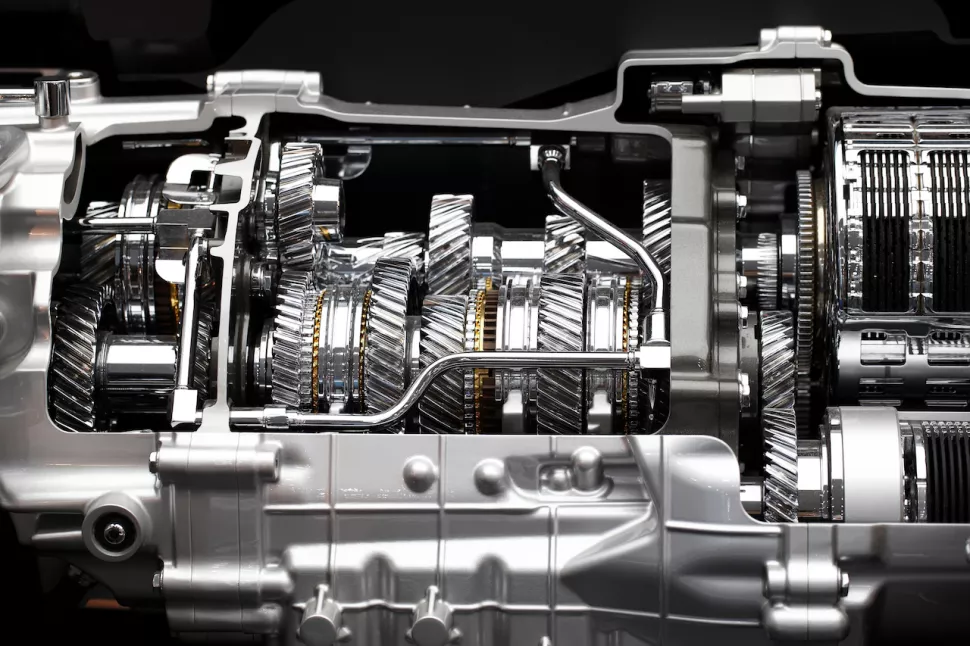
Informational Connection: How to Prevent Automobile Gear Failure
When it comes to preventing automobile gear failure, understanding the relevant information is key. Let’s delve into some essential factors:
1. Proper Lubrication Techniques
Implementing appropriate lubrication techniques ensures smooth gear operation, reduces friction, and minimizes wear and tear. By using specialized lubricants, such as synthetic oils with high viscosity index, gear failure risks can be significantly reduced.
2. Precision Gear Design and Manufacturing
Accurate gear design and manufacturing processes play a vital role in preventing gear failure. Employing advanced technologies, such as Computer-Aided Design (CAD) and precision machining, ensures the production of high-quality gears with optimal performance and durability.
3. Heat Treatment and Surface Hardening
Applying heat treatment and surface hardening techniques enhances the strength and wear resistance of automobile gears. Processes like carburizing, induction hardening, and nitriding create a hardened surface layer that can withstand heavy loads and minimize gear failure risks.
4. Regular Maintenance and Inspections
Performing regular maintenance, including visual inspections, gear teeth cleaning, and corrosion prevention, is crucial for early detection of potential issues. This allows for timely repairs or replacements, minimizing the risk of gear failure.
5. Optimal Gear Material Selection
Choosing the right material for automobile gears is essential for preventing failure. Materials like alloy steel, stainless steel, and even composite materials offer different advantages, such as high strength, corrosion resistance, and reduced weight, contributing to gear reliability.
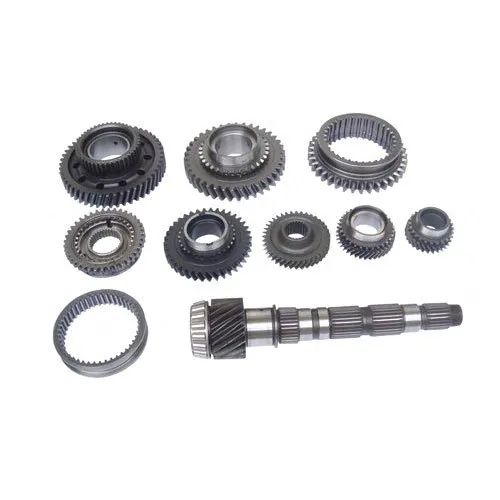
Types and Characteristics of Automobile Gear
Automobile gears come in various types, each with distinct characteristics and applications:
1. Spur Gears
Spur gears are the most commonly used type in automobile gear systems. They have straight teeth and provide smooth power transmission, making them ideal for applications like the transmission system.
2. Helical Gears
Helical gears have angled teeth, which enables smoother and quieter operation compared to spur gears. They are commonly used in applications where low noise is essential, such as gearbox systems.
3. Bevel Gears
Bevel gears have conical-shaped teeth and are suitable for transmitting power between intersecting shafts. They are commonly used in applications like the differential system and steering system.
4. Worm Gears
Worm gears consist of a worm (a threaded shaft) and a worm wheel. They offer high gear ratios and are often used in applications where high torque is required, such as power steering pumps.
5. Planetary Gears
Planetary gears, also known as epicyclic gears, consist of multiple gears arranged in a planetary configuration. They offer compact size, high torque capacity, and are commonly used in automatic transmissions.
Advantages of Different Gear Materials
Automobile gears made from different materials have their unique advantages:
1. Alloy Steel Gears
Alloy steel gears provide high strength and durability, making them suitable for heavy-duty applications that require robust gear performance.
2. Stainless Steel Gears
Stainless steel gears offer excellent corrosion resistance, making them ideal for applications exposed to harsh environments, such as marine or off-road vehicles.
3. Composite Gears
Composite gears, made from materials like carbon fiber-reinforced polymers, provide a combination of lightweight design and high strength. They are advantageous in applications that require both performance and weight reduction.
Applications of Automobile Gear
Automobile gears have widespread applications in various fields, including:
1. Transmission System
Automobile gears play a crucial role in transmitting power from the engine to the wheels, allowing for efficient speed and torque control.
2. Drivetrain System
Gears are essential components of the drivetrain system, enabling power transfer between the engine, transmission, and wheels.
3. Steering System
In the steering system, gears facilitate controlled movement and maintain the desired direction of the vehicle.
4. Power Steering Pump
Gears are used in power steering pumps to assist in easier steering by applying additional force to the steering mechanism.
5. Starter Motor
Automobile gears are utilized in starter motors to crank and start the engine efficiently.
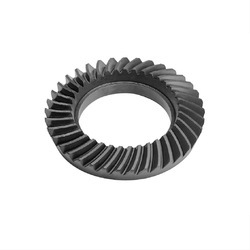
Future Trends and Opportunities in the Automobile Gear Industry
The automobile gear industry is continuously evolving, and several trends and opportunities are emerging:
1. Electric Vehicle (EV) Transition
With the growing popularity of electric vehicles, the automobile gear industry has an opportunity to develop specialized gears to meet the unique requirements of EVs, such as high torque and efficiency.
2. Lightweight Gear Design
The demand for lightweight vehicles is driving the need for lighter gear solutions. Developing gears with advanced materials and innovative designs can help reduce weight and improve fuel efficiency.
3. Advanced Gear Manufacturing Technologies
Advancements in manufacturing technologies, such as additive manufacturing (3D printing) and advanced robotics, offer opportunities for more precise and efficient gear production.
4. Integration of Smart Technologies
Integrating smart technologies, such as sensors and Internet of Things (IoT) connectivity, into automobile gears allows for real-time monitoring, predictive maintenance, and performance optimization.
5. Sustainable Gear Solutions
The industry can focus on developing environmentally friendly gear solutions by exploring renewable materials, energy-efficient manufacturing processes, and recycling initiatives.
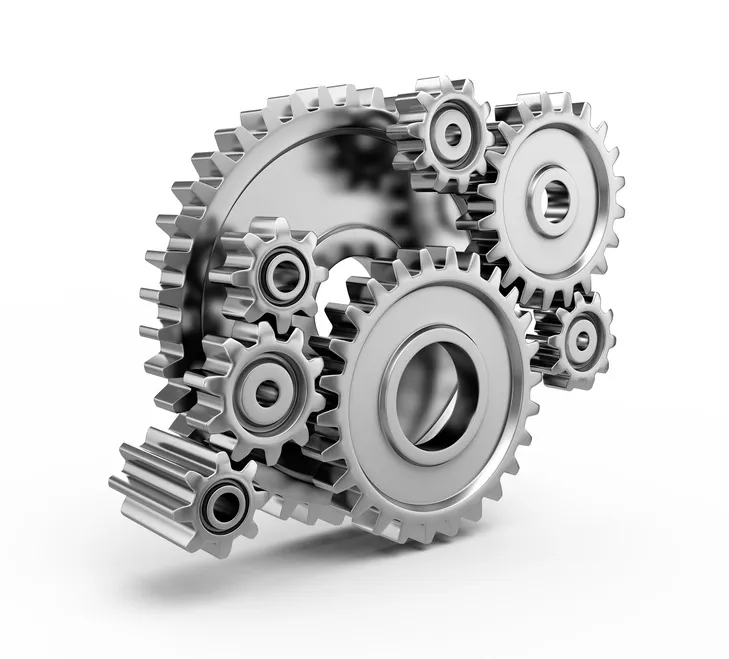
Choosing the Right Automobile Gear
Selecting the correct automobile gear involves considering several factors:
1. Clear Understanding of Requirements
Identify the specific application requirements, including torque, speed, load capacity, and environmental conditions, to determine the most suitable gear type and material.
2. Material Selection
Choose the gear material based on the desired characteristics, such as strength, corrosion resistance, and weight. Consider factors like budget, performance requirements, and environmental factors.
3. Design Optimization
Collaborate with experienced gear designers to optimize the gear design, ensuring it meets the desired performance criteria and provides efficient power transmission.
4. Supplier and After-Sales Support
Select reliable suppliers who offer quality gears and provide excellent after-sales support, including technical assistance, warranty, and spare parts availability.
5. Cost-Effectiveness
Consider the overall cost-effectiveness of the gear solution, including factors like initial cost, maintenance expenses, and potential energy savings over the gear’s lifecycle.
Automobile Gear Maintenance
Proper maintenance is crucial for ensuring the longevity and optimal performance of automobile gears:
1. Regular Equipment Inspections
Schedule periodic inspections to identify any wear, misalignment, or damage. This allows for timely maintenance and avoids potential gear failure.
2. Cleaning and Anti-Corrosion Measures
Regularly clean gears and apply appropriate anti-corrosion measures to prevent rust and corrosion, which can degrade gear performance and lead to failure.
3. Lubrication and Maintenance
Follow recommended lubrication protocols, ensuring gears receive adequate lubrication to minimize friction and wear. Maintain proper lubricant levels and monitor oil quality regularly.
4. Replacement of Worn Parts
Identify and replace worn or damaged gear components promptly. Neglecting worn gears can lead to increased stress on other components and potential gear failure.
5. Continuous Improvement and Upgrades
Continuously explore opportunities for gear improvement and upgrades, such as adopting new technologies or implementing design enhancements to optimize gear performance.
Why Choose Us?
Author: Dream
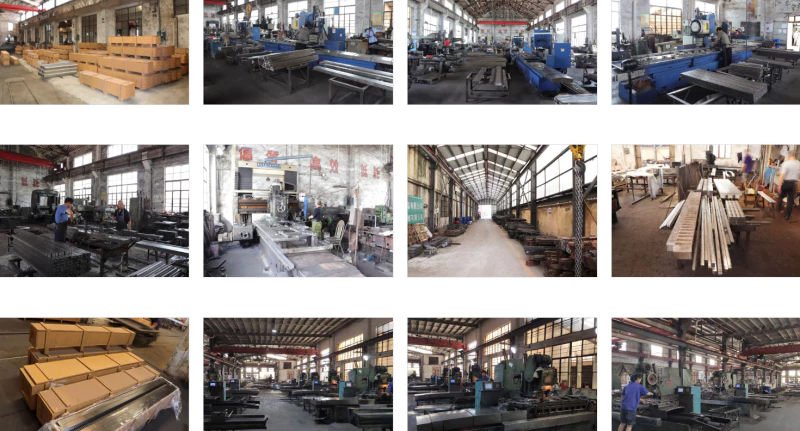
Our company specializes in the production and sale of high-quality automobile gears. Here are five reasons to choose our products and company:
1. Unparalleled Expertise
With years of experience in the industry, we have developed unmatched expertise in producing top-quality automobile gears.
2. Cutting-Edge Technology
We utilize the most advanced technologies and manufacturing processes to ensure precise gear production and superior performance.
3. Extensive Product Range
We offer a wide range of automobile gears, catering to various applications and requirements, providing customers with ample options to choose from.
4. Exceptional Quality Control
Our stringent quality control measures ensure that each gear leaving our facility meets the highest standards of performance and reliability.
5. Customer Satisfaction
We prioritize customer satisfaction and strive to build long-lasting relationships by providing excellent customer service, timely support, and customized solutions.
Q&A – Frequently Asked Questions
Q1: How often should automobile gears be inspected?
A1: Automobile gears should be inspected regularly, ideally as part of routine maintenance, to identify any signs of wear, misalignment, or damage.
Q2: Can different gear materials be used together in an automobile system?
A2: While it is possible to combine different gear materials within an automobile system, careful consideration of compatibility and potential performance differences is essential.
Q3: What are the key factors to consider when selecting an automobile gear supplier?
A3: Important factors to consider include the supplier’s reputation, experience, product quality, technical support, warranty, and overall reliability.
Q4: Are there any eco-friendly gear solutions available for automobiles?
A4: Yes, the industry is actively exploring eco-friendly gear solutions, such as using renewable materials and adopting energy-efficient manufacturing processes.
Q5: Can automobile gears be repaired, or should they always be replaced?
A5: Depending on the extent of damage and the gear’s condition, some gears can be repaired. However, severe damage or wear may require complete replacement for optimal performance and safety.