internal gear disadvantages

Internal Gear Disadvantages
Understanding Internal Gear Disadvantages
Internal gears, though highly efficient in specific applications, come with their own set of disadvantages. These gears, where the teeth are cut on the inner cylindrical surface, have unique challenges that engineers and designers must consider. Below, we delve into various disadvantages associated with internal gears.
Complex Manufacturing Process
Internal gears require precise manufacturing techniques. The process involves complex machine setups and stringent quality control measures to ensure accurate tooth geometry. This complexity can increase production costs and extend lead times, making them less attractive for high-volume production.
Limited Load Capacity
Compared to external gears, internal gears often have a reduced load-bearing capacity. This limitation stems from the weaker support structure inherent in their design. The internal positioning of the teeth means that the gear can’t withstand significant axial and radial loads, limiting its application in heavy-duty scenarios.
Alignment Issues
Proper alignment of internal gears is critical for smooth operation. Misalignment can lead to excessive wear, noise, and vibration, which can compromise system performance. Ensuring precise alignment often requires meticulous assembly and maintenance efforts, increasing operational costs.
Maintenance Challenges
Internal gears can be challenging to maintain due to their enclosed design. Accessing the gear for inspection, lubrication, or replacement requires disassembling the surrounding components. This complexity makes routine maintenance more time-consuming and costly.
Higher Friction and Wear
The enclosed nature of internal gears can lead to higher friction and wear. Without proper lubrication, the gear teeth can experience accelerated wear, reducing the overall lifespan of the gear. Consistent lubrication is essential to mitigate these issues, but it adds to the maintenance burden.
Noise Generation
Internal gears can produce significant noise during operation. The meshing of the internal gear teeth often results in higher noise levels compared to external gears. This noise can be a concern in applications where quiet operation is critical, such as in medical devices or precision machinery.
Design Limitations
The design of internal gears imposes certain limitations on the overall gear system. The internal teeth configuration restricts the gear’s flexibility in terms of size and shape, which can limit its compatibility with other gear types. This inflexibility can pose challenges in complex geartrain designs.
Increased Cost
The specialized manufacturing process, stringent quality control, and maintenance challenges all contribute to the higher cost of internal gears. These factors make internal gears a more expensive option compared to external gears, impacting the overall budget of a project.
Space Constraints
Internal gears often require larger housings to accommodate the gear mechanism, leading to space constraints in compact designs. This spatial requirement can be a drawback in applications where space is limited and efficient use of the available area is crucial.
Contact Fatigue
Due to the internal gear’s structure, the teeth are more susceptible to contact fatigue. Repeated stress cycles can lead to the formation of cracks and eventual gear failure. Addressing contact fatigue requires the use of high-quality materials and precise engineering, further increasing the costs.
Internal Gear Disadvantages and Internal Gear Relationships
Internal gears are integral to many systems, but their disadvantages must be carefully managed. Understanding the relationship between internal gear disadvantages and their operational context is crucial for maximizing efficiency and performance.

Performance Characteristics of Internal Gears
- Efficiency: Despite their disadvantages, internal gears offer high efficiency in torque transmission due to their direct engagement.
- Compact Design: Internal gears enable more compact gear systems, which is beneficial in space-constrained applications.
- Smooth Operation: When properly aligned and lubricated, internal gears provide smooth and reliable operation.
- Reduced Sliding: The internal gear design minimizes sliding friction, enhancing durability.
- High Precision: Internal gears can achieve high levels of precision, making them suitable for applications requiring meticulous accuracy.
Types of Internal Gears and Their Characteristics
Internal gears come in various types, each with unique characteristics. These include spur internal gears, helical internal gears, and bevel internal gears. The choice of gear type depends on the application requirements and performance criteria.
- Spur Internal Gears: Simple design, suitable for moderate speed and load applications.
- Helical Internal Gears: Angled teeth provide smoother and quieter operation, ideal for high-speed applications.
- Bevel Internal Gears: Allow angular motion, used in differential systems and complex gear trains.

Applications of Internal Gears in Various Industries
- Aerospace Industry: Internal gears are used in actuators, control systems, and navigation equipment due to their precision and reliability.
- Renewable Energy: Wind turbines and solar tracking systems utilize internal gears for their efficient torque transmission and compact design.
- Automotive Industry: Internal gears are integral to transmission systems, differentials, and power steering mechanisms in vehicles.
- Industrial Machinery: Internal gears drive various machinery components, offering high efficiency and precision in manufacturing processes.
- Medical Devices: Precision medical devices incorporate internal gears for their accuracy, smooth operation, and compact design.
Future Trends and Opportunities for Internal Gear Products
- Advanced Materials: The development of advanced materials like composites and ceramics can enhance the durability and performance of internal gears.
- Automation and AI: Integration with automation and AI technologies will improve manufacturing precision and reduce production costs.
- Eco-Friendly Designs: Sustainable and eco-friendly gear designs will gain prominence, aligning with global environmental goals.
- Miniaturization: Demand for smaller, more compact internal gears will rise, driven by advancements in micro-mechanical systems.
- Customization: Customized internal gear solutions tailored to specific industry needs will become more prevalent, offering enhanced performance and efficiency.

How to Choose the Right Internal Gear
- Define Requirements: Clearly outline the performance requirements including load capacity, speed, and application environment.
- Material Selection: Choose the appropriate material based on the operating conditions, such as temperature, load, and exposure to corrosive elements.
- Design Optimization: Optimize the gear design for efficiency, durability, and ease of maintenance.
- Reliable Suppliers: Partner with reputable suppliers who provide high-quality gears and excellent customer support.
- Cost-effectiveness: Balance the gear’s cost with its performance benefits to ensure the best value for your investment.
- Quality Control: Implement stringent quality control measures to ensure the gears meet the required standards and specifications.

Internal Gear Maintenance
- Regular Inspection: Conduct periodic inspections to detect and address wear, misalignment, or damage early.
- Cleaning and Corrosion Prevention: Keep the gears clean and apply anti-corrosion treatments to extend their lifespan.
- Lubrication: Ensure proper and consistent lubrication to reduce friction and wear.
- Replace Worn Parts: Timely replacement of worn-out components to maintain optimal performance.
- Temperature Monitoring: Monitor operating temperatures to prevent overheating and thermal damage.
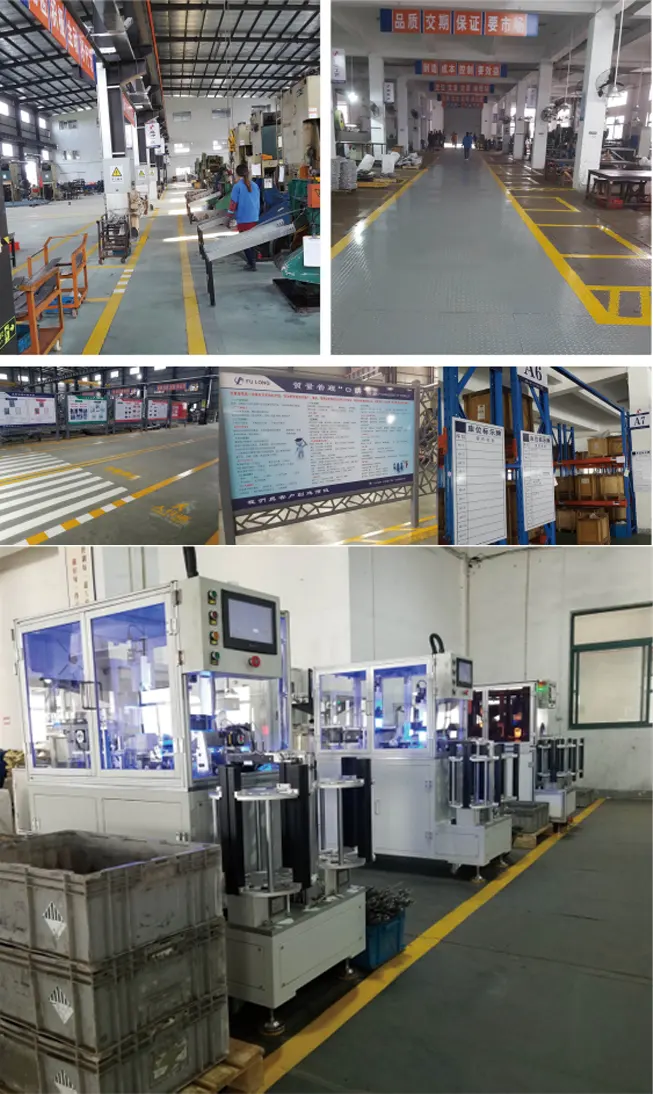
Why Choose Ever Power
Ever Power is a leading manufacturer and supplier of high-quality internal gears. Here’s why you should choose us for your gear requirements:
- Quality Assurance: We adhere to stringent quality control processes to ensure every gear we produce meets the highest standards.
- Custom Solutions: We offer customized gear solutions tailored to your specific application needs, ensuring optimal performance.
- Advanced Technology: Our state-of-the-art manufacturing facilities and innovative technologies guarantee precision and efficiency in gear production.
- Experienced Team: Our team of experts brings extensive knowledge and experience to every project, providing valuable insights and support.
- Comprehensive Support: From initial consultation to after-sales service, we provide comprehensive support to ensure your complete satisfaction.
FAQs
- Q: What are the main disadvantages of internal gears?
A: Internal gears have complex manufacturing processes, limited load capacity, and higher maintenance challenges compared to external gears.
- Q: Why is alignment critical in internal gears?
A: Proper alignment is crucial to prevent excessive wear, noise, and vibration, ensuring smooth operation and longevity of the gear system.
- Q: How can I reduce friction and wear in internal gears?
A: Regular lubrication, using high-quality materials, and ensuring proper alignment can significantly reduce friction and wear in internal gears.
- Q: What industries commonly use internal gears?
A: Internal gears are widely used in aerospace, renewable energy, automotive, industrial machinery, and medical devices due to their precision and efficiency.
- Q: How do advanced materials benefit internal gear performance?
A: Advanced materials like composites and ceramics enhance durability, reduce wear, and improve overall performance of internal gears.
Author: Dream