manual transmission gear guide

Manual Transmission Gear Guide | Transmission Gear Insights
Introduction to Manual Transmission Gear Guide
Manual transmission gears have long been the cornerstone of automotive engineering. These complex, yet fascinating components are critical in transforming the power generated by an engine into motion. Understanding the intricacies of manual transmission gears can not only enhance driving performance but also extend the longevity of your vehicle.
How a Manual Transmission Gear Works
At its core, a manual transmission gear system allows the driver to select different gears manually. This process involves the engagement and disengagement of gear sets, facilitated by the clutch. The primary function is to regulate the torque and speed of the wheels, optimizing the vehicle’s performance across various driving conditions.
Components of a Manual Transmission Gear
A manual transmission gear system comprises several key components, including the clutch, flywheel, gear sets, and synchronizers. Each component plays a crucial role in the seamless operation of the transmission, ensuring smooth gear shifts and efficient power delivery.
Benefits of Manual Transmission Gears
Manual transmission gears offer multiple benefits, including greater control over the vehicle, improved fuel efficiency, and lower maintenance costs. Enthusiasts also appreciate the tactile engagement and driving pleasure that a manual transmission provides.
Manual Transmission Gear Guide and Transmission Gear Relationship
Manual transmission gear guides serve as invaluable resources for understanding the relationship between different transmission gears. By exploring these guides, one can gain insights into the optimal gear ratios, shift patterns, and maintenance practices necessary for ensuring the longevity and performance of transmission gears.

Transmission Gear Performance Characteristics
- Efficiency: High-precision manufacturing ensures minimal friction and energy loss.
- Durability: Made from robust materials to withstand extreme conditions.
- Versatility: Suitable for a wide range of applications, from automotive to industrial machinery.
- Noise Reduction: Engineered for quieter operation.
- Load Capacity: Capable of handling significant loads without compromising performance.
Types of Transmission Gears and Their Characteristics
Transmission gears come in various types, each designed for specific applications:
- Spur Gears: Known for their simplicity and efficiency, spur gears are ideal for low-speed applications.
- Helical Gears: These gears offer higher load capacity and smoother operation due to their angled teeth.
- Bevel Gears: Used to change the direction of power transmission, bevel gears are common in differential drives.
- Worm Gears: Provide high torque reduction and are typically used in lifting and lowering mechanisms.
Different materials offer unique advantages:
- Steel: Provides high strength and durability, suitable for heavy-duty applications.
- Plastic: Lightweight and corrosion-resistant, ideal for applications requiring minimal weight.
- Bronze: Excellent for wear resistance, often used in worm gears.

Applications of Transmission Gears in Various Industries
- Automotive Industry: Essential for power transmission in vehicles, ensuring smooth and efficient operation.
- Aerospace Industry: Used in aircraft engines and control systems, providing reliability and precision.
- Marine Industry: Critical in ship propulsion systems, enabling efficient and reliable navigation.
- Energy Sector: Utilized in wind turbines and other renewable energy systems for efficient power generation.
- Rail Transportation: Enabling smooth and efficient power transmission in locomotives and rail cars.
Future Trends and Opportunities in Transmission Gear Technology
The future of transmission gear technology is poised for exciting developments:
- Advanced Materials: Research into new materials for increased strength and reduced weight.
- Innovative Manufacturing Techniques: Adoption of 3D printing for custom and complex gear designs.
- Smart Gears: Integration of sensors and IoT for real-time monitoring and predictive maintenance.
- Sustainability: Focus on environmentally friendly materials and manufacturing processes.
- Enhanced Precision: Continued improvements in machining and finishing processes for higher accuracy.

How to Choose the Right Transmission Gear
Choosing the correct transmission gear involves several factors:
- Identify Requirements: Understand the specific needs of your application, including load, speed, and torque.
- Material Selection: Choose materials based on the operating environment and performance requirements.
- Design Optimization: Collaborate with engineers to ensure the gear design meets all specifications.
- Supplier and After-Sales Service: Select a reputable supplier that offers robust after-sales support.
- Cost-Efficiency: Balance cost with the desired quality and performance levels.
- Quality Control: Ensure rigorous testing and quality control measures are in place.

Maintenance of Transmission Gears
Proper maintenance is crucial for the longevity and performance of transmission gears:
- Regular Inspections: Conduct periodic checks for wear and tear.
- Cleaning and Corrosion Prevention: Keep gears clean and apply anti-corrosion coatings if necessary.
- Lubrication: Use the appropriate lubricants to minimize friction and wear.
- Replace Worn Parts: Timely replacement of worn components to prevent further damage.
- Upgrades: Consider technological upgrades to enhance performance and efficiency.
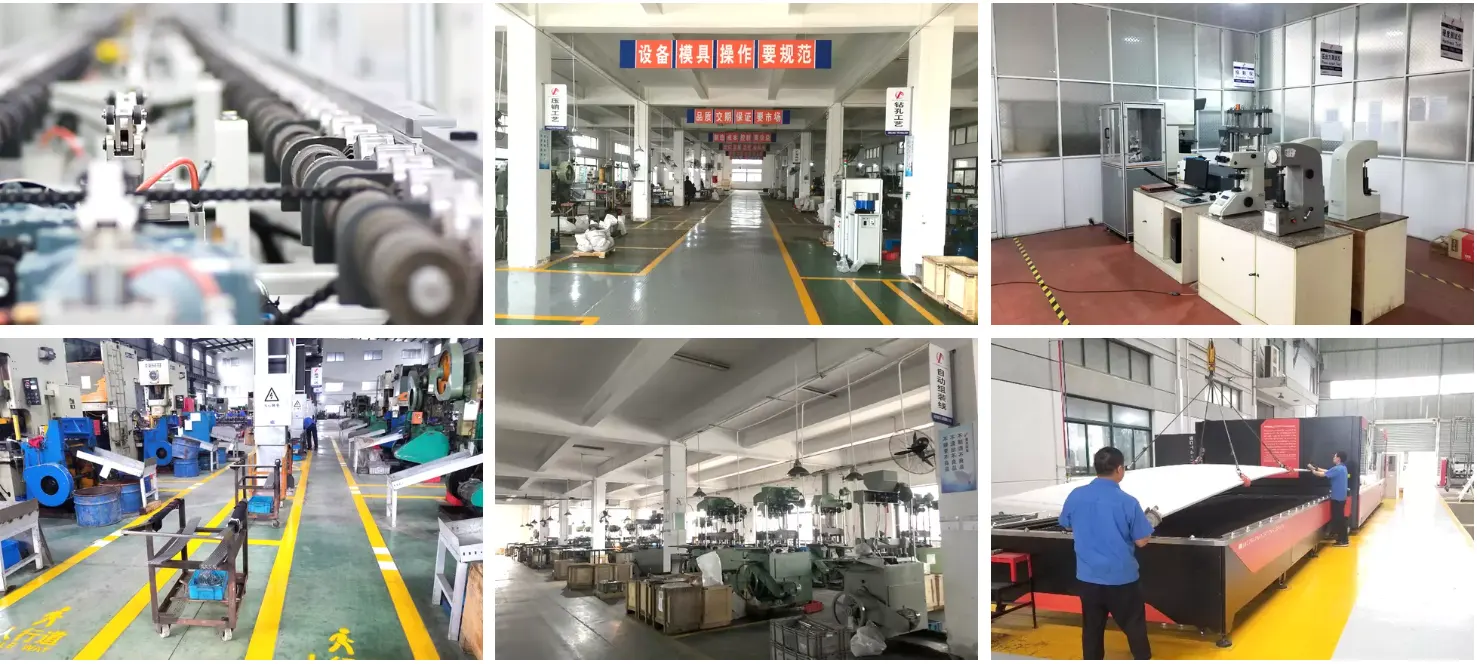
Why Choose Ever Power
Ever Power is a leader in the production and sales of transmission gears. Here’s why you should choose us:
- High-Quality Products: Our gears are manufactured with precision and adhere to the highest quality standards, ensuring longevity and reliability.
- Innovative Solutions: We invest in research and development to offer cutting-edge gear technology.
- Comprehensive Support: From design to after-sales service, we provide comprehensive support to meet your needs.
- Cost-Effective: We offer competitive pricing without compromising on quality.
- Global Reach: Our extensive distribution network ensures timely delivery and support worldwide.
Q&A
- What are the main components of a manual transmission gear system? The main components include the clutch, flywheel, gear sets, and synchronizers.
- How do different materials affect the performance of transmission gears? Materials like steel, plastic, and bronze offer various benefits in terms of strength, weight, and wear resistance.
- What industries benefit from transmission gears? Automotive, aerospace, marine, energy, and rail transportation industries heavily rely on transmission gears.
- What should be considered when selecting a transmission gear? Consider factors such as load requirements, material selection, design optimization, and supplier reliability.
- How can I maintain my transmission gears effectively? Regular inspections, proper lubrication, timely replacement of worn parts, and upgrades are essential for effective maintenance.
Author: Dream