nylon gear efficiency

Nylon Gear Efficiency: Unlocking Optimal Performance
Introduction to Nylon Gear Efficiency
Nylon gears, known for their high efficiency, play a pivotal role in various mechanical systems. Their efficiency stems from their unique material properties, which include low friction coefficients, excellent wear resistance, and high strength-to-weight ratios. These attributes contribute to smoother operations, energy savings, and longer lifespan of gear systems.
Material Properties of Nylon Gears
Nylon, a synthetic polymer, exhibits characteristics ideal for gear manufacturing. Its self-lubricating properties reduce the need for additional lubrication, while its inherent toughness allows it to withstand significant stress and strain without deformation. Moreover, nylon gears have excellent vibration damping capabilities, which is crucial for maintaining operational stability.
The Relationship Between Nylon Gear Efficiency and Nylon Gears
When discussing nylon gear efficiency, it is imperative to understand how the properties of nylon directly influence the performance of the gears. Nylon’s resilience and low friction result in lower energy consumption during gear operation. Additionally, nylon gears tend to produce less noise and heat, enhancing overall system efficiency. The efficiency of nylon gears is thus intrinsically linked to the material’s advantageous properties.

Performance Characteristics of Nylon Gears
- Durability: Nylon gears can endure high loads and repeated stress cycles without significant wear and tear.
- Low Friction: The self-lubricating nature of nylon results in minimal friction and smooth gear operation.
- Noise Reduction: Nylon gears operate quietly, making them suitable for applications where noise control is critical.
- Lightweight: Being lighter than metal alternatives, nylon gears contribute to the overall reduction in the weight of assemblies.
- Corrosion Resistance: Unlike metals, nylon is resistant to corrosion, enhancing the longevity of gears in harsh environments.
Types and Characteristics of Nylon Gears
Nylon gears come in various types, each with unique characteristics suited to specific applications. The primary types include:
- PA6 (Nylon 6): Known for its toughness and abrasion resistance.
- PA66 (Nylon 66): Offers higher mechanical strength and thermal stability compared to PA6.
- Glass-Filled Nylon: Enhanced strength and rigidity, suitable for high-load applications.
- Lubricated Nylon: Contains additives to further reduce friction and wear.

Applications of Nylon Gears
- Aerospace Industry: Nylon gears are used in various aerospace applications due to their lightweight and high strength-to-weight ratio.
- Office Equipment: Commonly found in printers, copiers, and scanners, where quiet operation and durability are essential.
- Automotive Industry: Used in timing systems, transmissions, and power steering mechanisms, offering weight reduction and efficiency.
- Industrial Machinery: Employed in conveyors, pumps, and mixers, nylon gears provide reliable performance under continuous operation.
- Medical Equipment: Preferred for their biocompatibility and quiet operation in devices like surgical robots and diagnostic machines.
Future Trends and Opportunities for Nylon Gear Products
- Advanced Materials: Continued development in nylon composites to improve performance characteristics.
- Green Manufacturing: Focus on sustainable production processes and recycling of nylon materials.
- Innovative Designs: Adoption of 3D printing technology for complex and customized gear designs.
- Enhanced Lifespan: Research into additives and treatments to further extend the service life of nylon gears.
- Market Expansion: Growing demand in emerging markets driven by industrialization and technological advancements.

Choosing the Right Nylon Gear
- Identify Requirements: Determine the specific operational requirements and constraints of your application.
- Material Selection: Choose the appropriate type of nylon based on the environmental conditions and load requirements.
- Design Optimization: Ensure the gear design maximizes efficiency and minimizes potential stress points.
- Supplier and After-Sales Service: Select a reputable supplier offering comprehensive support and warranty services.
- Cost-Effectiveness: Evaluate the total cost of ownership, including maintenance and operational efficiencies.
- Quality Control: Implement rigorous quality control measures to ensure gear performance and reliability.

Maintaining Nylon Gears
- Regular Inspections: Conduct periodic checks to identify wear and potential issues early.
- Cleaning and Corrosion Prevention: Keep gears clean and apply anti-corrosive treatments if necessary.
- Lubrication and Maintenance: Although nylon is self-lubricating, occasional lubrication can enhance performance.
- Replacing Worn Components: Swap out worn or damaged gears promptly to maintain system efficiency.
- Temperature Monitoring: Ensure operating temperatures remain within safe limits to prevent material degradation.
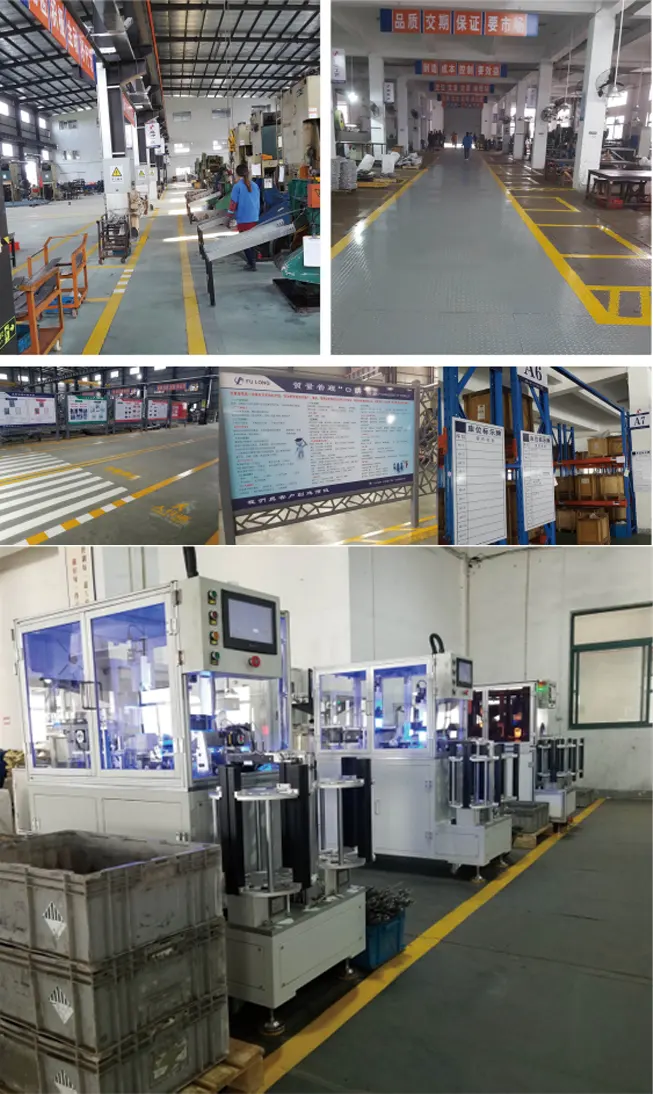
Why Choose Ever Power
Ever Power specializes in the manufacture and sale of high-quality nylon gears, offering solutions tailored to diverse industrial needs. Here are five reasons to choose Ever Power:
- Quality Assurance: We adhere to stringent quality control protocols to deliver superior products.
- Innovative Designs: Our R&D team continuously develops innovative gear designs to meet evolving market demands.
- Customer Support: We provide exceptional customer service, from product selection to after-sales support.
- Cost-Effective Solutions: Our competitive pricing ensures you get the best value for your investment.
- Global Reach: With a robust distribution network, we cater to customers worldwide, ensuring timely delivery and support.
FAQs
- Q: What are the main advantages of nylon gears?
A: Nylon gears offer low friction, durability, lightweight, noise reduction, and corrosion resistance. - Q: How do I choose the right nylon gear for my application?
A: Consider factors such as load requirements, environmental conditions, and material properties. - Q: How often should nylon gears be inspected?
A: Regular inspections should be conducted periodically to identify wear and potential issues early. - Q: Can nylon gears be used in high-temperature environments?
A: Certain types of nylon, such as PA66, offer better thermal stability and can be used in higher temperature applications. - Q: What industries benefit most from nylon gears?
A: Aerospace, automotive, industrial machinery, office equipment, and medical equipment industries benefit significantly from nylon gears.
Author: Dream