nylon gear testing methods

Nylon Gear Testing Methods and Nylon Gear
Introduction to Nylon Gear Testing Methods
Nylon gears are crucial components in various mechanical systems, prized for their durability, flexibility, and low noise during operation. Ensuring their reliability and performance is critical, which is why a range of testing methods are employed. These methods ensure that nylon gears meet the required standards and can operate under different conditions without failure.
Load Testing
Load testing involves applying a specific load to the gear and observing its behavior over time. This method helps in understanding how the gear will perform under operational stresses and can identify potential points of failure.
Wear Testing
Wear testing simulates the gear’s operational environment to measure its resistance to abrasion and erosion. This test is crucial for predicting the gear’s lifespan and determining maintenance schedules.
Fatigue Testing
Fatigue testing subjects the nylon gear to repeated cyclic loading to assess its endurance limit. This helps in understanding how the gear will withstand long-term use and frequent load changes.
Thermal Testing
Thermal testing evaluates the gear’s performance under varying temperature conditions. Nylon gears can be sensitive to temperature changes, and this test ensures they can operate effectively without deforming or losing strength.
Impact Testing
Impact testing measures the gear’s ability to withstand sudden shocks and loads. This is important for applications where the gear might experience unexpected forces during operation.
Dimensional Accuracy Testing
This test checks the gear’s dimensions against the specified tolerances. Precision is vital in gear manufacturing, and this test ensures that the gear will mesh correctly with other components.
Material Composition Analysis
Material composition analysis involves examining the chemical makeup of the nylon used in the gear. This ensures that the material properties meet the requirements for the intended application.
Surface Roughness Measurement
Surface roughness measurement assesses the smoothness of the gear’s teeth and other surfaces. Smooth surfaces reduce friction and wear, enhancing the gear’s performance and lifespan.
Noise and Vibration Testing
This test measures the noise and vibrations produced by the gear during operation. Low noise and vibration levels are essential for applications where silent operation is required.
Nylon Gear and Informational Relationship
Nylon gear testing methods are intrinsically linked to the material properties and performance characteristics of nylon gears. By understanding the results of these tests, manufacturers can optimize the design, production, and application of nylon gears. These testing methods not only ensure quality and reliability but also provide valuable data for continuous improvement. The image below illustrates the precision and versatility of nylon gears.

Nylon Gear Performance Characteristics
- High Durability: Nylon gears are known for their long lifespan, even under heavy loads and continuous operation.
- Low Noise: Their ability to operate quietly makes them ideal for applications where noise reduction is critical.
- Resistance to Wear: They offer excellent resistance to wear and abrasion, which reduces maintenance needs.
- Lightweight: Nylon gears are significantly lighter than metal gears, which can reduce the overall weight of machines and devices.
- Corrosion Resistance: Unlike metal gears, nylon gears do not rust or corrode, making them suitable for various environments.
Types of Nylon Gears and Their Characteristics
Nylon gears come in various types, each with distinct features and benefits. Understanding these can help in selecting the right gear for specific applications.

PA6 Gears
PA6, or Nylon 6, offers excellent mechanical properties, good thermal stability, and high toughness. It is widely used in automotive and industrial applications.
PA66 Gears
PA66, or Nylon 66, provides superior strength and stiffness compared to PA6. It also has higher heat resistance, making it suitable for high-temperature environments.
PA12 Gears
PA12, or Nylon 12, is known for its low moisture absorption, excellent dimensional stability, and good resistance to chemicals. It is often used in precision applications.
Filled Nylon Gears
These gears are reinforced with materials like glass fibers or carbon fibers to enhance their strength and stiffness. They are used in demanding applications requiring high performance.
Applications of Nylon Gears in Various Fields
- Aerospace Industry: Nylon gears are used in aerospace applications for their lightweight properties and resistance to corrosion, contributing to fuel efficiency and reliability.
- Office Equipment: In printers, copiers, and other office machinery, nylon gears ensure quiet and smooth operation, enhancing user comfort and machine longevity.
- Automotive Industry: They are utilized in various automotive components, such as timing gears, due to their durability and ability to withstand high temperatures.
- Industrial Machinery: Nylon gears are essential in industrial machinery for their resistance to wear and ability to operate under heavy loads.
- Medical Devices: In medical equipment, the low noise and high precision of nylon gears are critical, ensuring reliable and silent operation.
Future Development Trends and Opportunities for Nylon Gear Products
- Advancements in Material Science: Continuous research in polymer science could lead to the development of new nylon composites with enhanced properties.
- Integration with Smart Technologies: Future gears may feature embedded sensors and IoT capabilities for real-time monitoring and predictive maintenance.
- Increased Demand in Electric Vehicles: The growing electric vehicle market presents an opportunity for lightweight, durable nylon gears to replace traditional metal gears.
- Eco-Friendly Manufacturing Processes: Emphasis on sustainable production methods could drive innovation in nylon gear manufacturing, reducing environmental impact.
- Expansion in Emerging Markets: Emerging economies represent a significant growth opportunity for nylon gear manufacturers as industrialization and automation rise.

Choosing the Right Nylon Gear
Selecting the correct nylon gear involves several considerations to ensure it meets the application’s requirements. Here are some key factors to consider:

- Define Requirements: Understand the operational environment, load conditions, and performance expectations for the gear.
- Material Selection: Choose the appropriate type of nylon based on the specific needs, such as wear resistance or thermal stability.
- Design Optimization: Ensure the gear’s design is optimized for performance, including tooth profile and dimensional accuracy.
- Supplier and After-Sales Service: Select a reputable supplier who offers comprehensive after-sales support and quality assurance.
- Cost Efficiency: Balance the cost with the gear’s performance and longevity to achieve the best value for money.
- Quality Control: Implement strict quality control processes to ensure the gears meet all specified standards and perform reliably.
Maintaining Nylon Gears
Proper maintenance of nylon gears ensures their longevity and reliable performance. Here are some essential maintenance practices:
- Regular Inspections: Conduct routine checks to identify signs of wear, damage, or misalignment.
- Cleaning and Corrosion Prevention: Keep the gears clean and free from contaminants that could cause wear or corrosion.
- Lubrication and Care: Apply appropriate lubricants to reduce friction and wear, ensuring smooth operation.
- Replacing Worn Parts: Replace gears or components that show significant wear to prevent failure and maintain system performance.
- Temperature Monitoring: Monitor operating temperatures to ensure they remain within safe limits, preventing thermal damage.
Why Choose Ever Power
Ever Power specializes in the production and sale of high-quality nylon gears. Here are five reasons to choose our products:
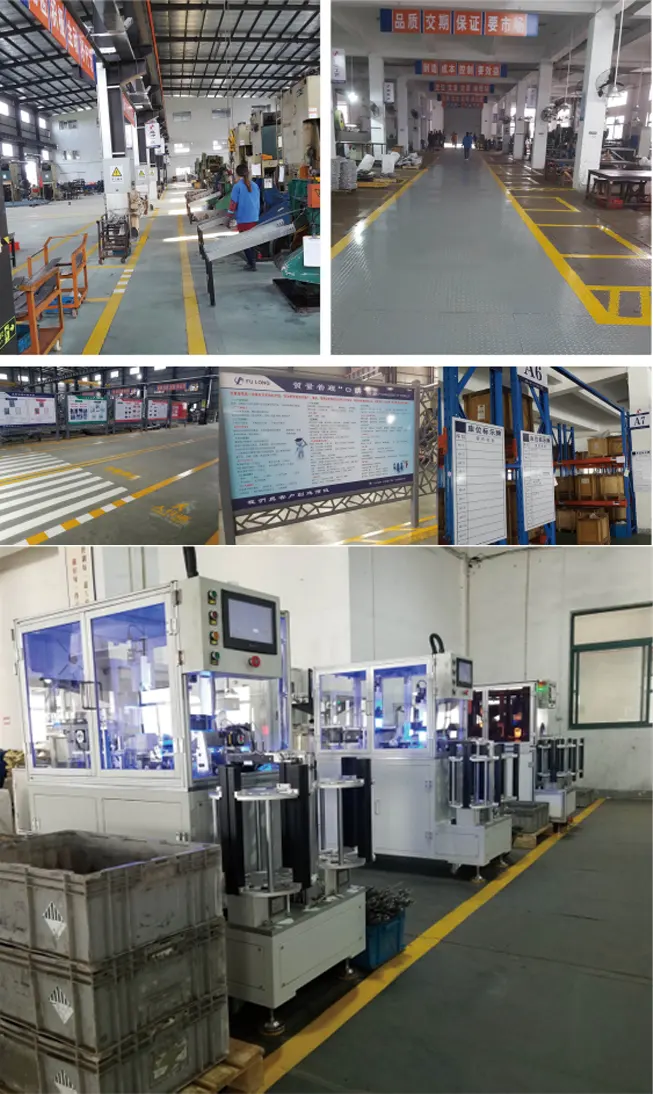
- Exceptional Durability: Our nylon gears are manufactured using premium materials, ensuring long-lasting performance even under demanding conditions.
- Advanced Manufacturing Techniques: We utilize state-of-the-art technology and precision engineering to produce gears with superior accuracy and consistency.
- Comprehensive Quality Control: Rigorous testing and quality control processes ensure that each gear meets the highest standards of performance and reliability.
- Custom Solutions: We offer bespoke gear solutions tailored to specific customer requirements, providing flexibility and adaptability.
- Excellent After-Sales Support: Our dedicated customer service team provides ongoing support and assistance, ensuring complete satisfaction with our products.
Q&A
- Q: What are the main benefits of using nylon gears? A: Nylon gears offer high durability, low noise, resistance to wear, lightweight properties, and corrosion resistance.
- Q: How does load testing benefit nylon gears? A: Load testing helps understand the gear’s performance under operational stresses and identifies potential points of failure.
- Q: Why is material composition analysis important for nylon gears? A: It ensures that the nylon used meets the required properties, such as strength and resistance to chemicals, for the intended application.
- Q: What factors should be considered when selecting a nylon gear? A: Key factors include defining requirements, material selection, design optimization, supplier quality, cost efficiency, and quality control.
- Q: How can proper maintenance extend the life of nylon gears? A: Regular inspections, cleaning, lubrication, replacing worn parts, and temperature monitoring can significantly extend the gears’ longevity and performance.
Author: Dream