pinion gear manufacturing process

Pinion Gear Manufacturing Process and Pinion Gear Relationship
Introduction to Pinion Gear Manufacturing Process
The manufacturing process of pinion gears is a meticulous and complex procedure that requires precision and advanced technology. Pinion gears are integral components in various mechanical systems, often used in conjunction with larger gears to transmit torque and motion. The process involves several steps that ensure the production of high-quality, durable, and reliable pinion gears.
Raw Material Selection
The first step in manufacturing pinion gears is the selection of raw materials. High-quality steel alloys are commonly used due to their strength and durability. The chosen material must withstand significant stress and wear, ensuring the longevity and efficiency of the gear.
Forging and Shaping
Once the raw material is selected, it undergoes forging to achieve the desired shape. This process involves heating the material to a high temperature and then shaping it using industrial presses and dies. Forging ensures the material’s internal grain structure is aligned, enhancing the gear’s mechanical properties.
Machining
After forging, the pinion gear enters the machining phase. Precision machining tools, such as lathes and milling machines, are used to cut and shape the gear teeth according to specific designs and tolerances. This step is crucial for achieving the required accuracy and surface finish.
Heat Treatment
Heat treatment is a critical step in the manufacturing process, as it enhances the mechanical properties of the pinion gear. The gear is subjected to controlled heating and cooling cycles to achieve the desired hardness and strength. Common heat treatment processes include quenching, tempering, and carburizing.
Grinding and Surface Finishing
Following heat treatment, the pinion gear undergoes grinding to achieve precise tooth geometry and smooth surface finishes. High-precision grinding machines are used to remove any surface imperfections and ensure the gear meets the required specifications.
Quality Control and Inspection
Quality control is an integral part of the pinion gear manufacturing process. Advanced inspection techniques, such as coordinate measuring machines (CMM), are used to verify the gear’s dimensions, tooth profile, and surface finish. This step ensures that the gear meets all the quality standards and specifications.
Surface Treatment and Coating
To enhance the durability and corrosion resistance of the pinion gear, various surface treatments and coatings are applied. Common methods include phosphate coating, nitriding, and electroplating. These treatments extend the gear’s lifespan and improve its performance in harsh environments.
Assembly and Testing
The final step in the manufacturing process is the assembly and testing of the pinion gear. The gear is assembled with other components and subjected to rigorous testing to ensure it functions correctly under load conditions. This step verifies the gear’s performance and reliability in real-world applications.
Relationship Between Pinion Gear Manufacturing Process and Pinion Gear
The pinion gear manufacturing process directly impacts the quality, performance, and longevity of the pinion gear. Each step is meticulously designed to ensure the gear meets the required specifications and performs optimally in its intended application. The process involves selecting the right materials, precise machining, heat treatment, and stringent quality control measures.

Pinion Gear Performance Characteristics
- High Strength: Pinion gears are designed to withstand significant loads and torque, ensuring reliable performance in demanding applications.
- Precision: Manufactured to exact specifications, pinion gears provide accurate motion and torque transmission.
- Durability: Heat treatment and surface coatings enhance the longevity and wear resistance of pinion gears.
- Efficiency: Optimized tooth profiles reduce friction and improve the overall efficiency of mechanical systems.
- Versatility: Available in various sizes and materials, pinion gears can be customized for specific applications.
Types of Pinion Gears and Their Characteristics
Pinion gears come in various types, each with unique characteristics and applications. These include spur gears, helical gears, bevel gears, and rack and pinion systems.

Applications of Pinion Gears in Various Industries
- Automotive Manufacturing: Pinion gears are crucial in vehicle transmission systems, ensuring smooth and efficient power transfer.
- Aerospace: Used in aircraft control systems, pinion gears provide precise motion control and reliability.
- Shipbuilding: Essential in marine propulsion systems, pinion gears help transmit power from engines to propellers.
- Energy Sector: In renewable energy systems, pinion gears are used in wind turbines and other machinery to generate power.
- Marine Engineering: Pinion gears are employed in various marine applications, including underwater robotics and offshore drilling equipment.
Future Development Trends and Opportunities for Pinion Gear Products
The pinion gear industry is poised for significant growth, driven by advancements in manufacturing technology and increasing demand across various sectors. Key trends include the adoption of additive manufacturing, the development of high-strength materials, and the integration of smart technologies.

Choosing the Right Pinion Gear
Selecting the right pinion gear involves several considerations:
- Define Requirements: Clearly identify the application, load conditions, and performance expectations.
- Material Selection: Choose the appropriate material based on strength, durability, and environmental factors.
- Design Optimization: Ensure the gear design meets the required specifications and operational parameters.
- Supplier and After-sales Service: Select a reputable supplier who offers comprehensive after-sales support.
- Cost-effectiveness: Balance quality and cost to achieve the best value.
- Quality Control: Implement stringent quality control measures to ensure product reliability and performance.

Maintenance of Pinion Gears
- Regular Equipment Inspection: Conduct periodic checks to identify wear and potential issues before they escalate.
- Cleaning and Corrosion Prevention: Keep gears clean and apply protective coatings to prevent rust and corrosion.
- Lubrication and Upkeep: Proper lubrication reduces friction and wear, enhancing gear performance and longevity.
- Replacing Worn Parts: Timely replacement of worn components prevents further damage and maintains system efficiency.
- Improvements and Upgrades: Continuously seek advancements in materials and technology to improve gear performance.
Why Choose Ever Power
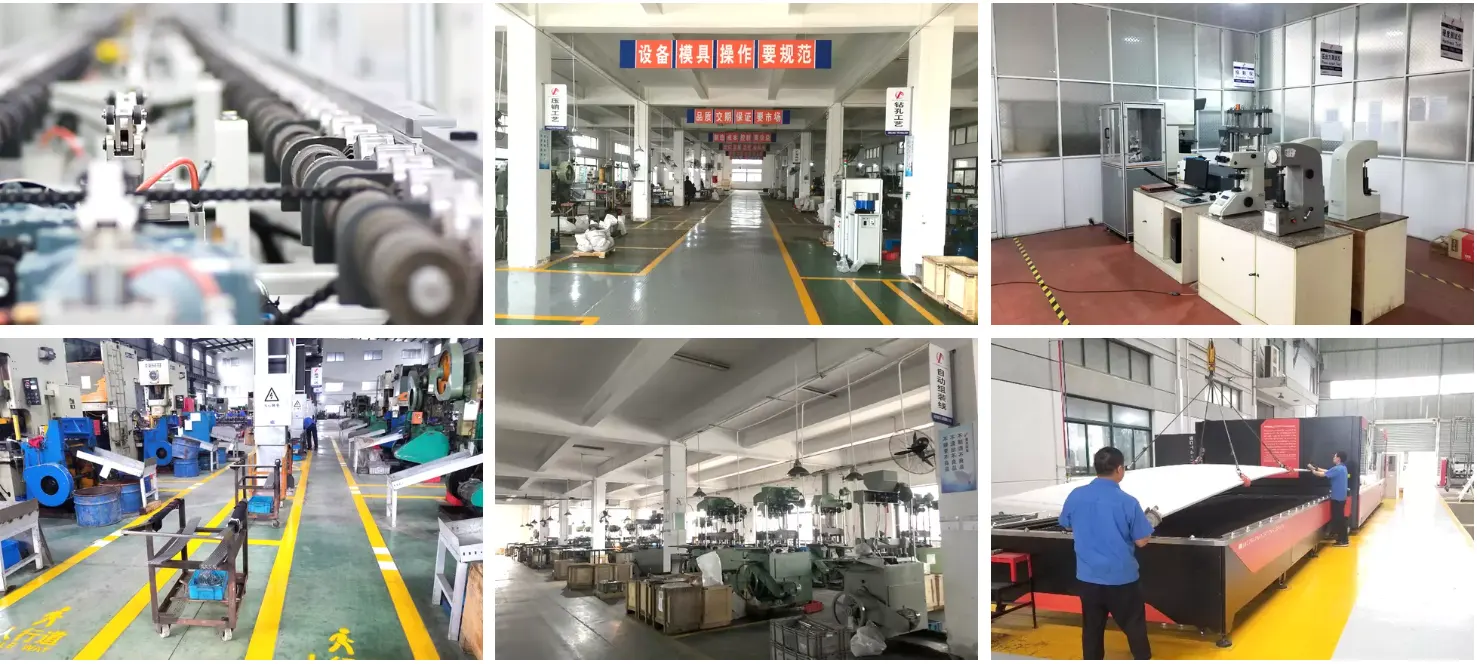
Ever Power is a leading manufacturer and supplier of high-quality pinion gears. Our commitment to excellence and innovation sets us apart in the industry. Here are five key advantages of choosing Ever Power:
- Advanced Manufacturing Technology: We utilize state-of-the-art equipment and processes to produce precision pinion gears.
- Extensive Product Range: Our diverse product portfolio caters to various applications and industries.
- Quality Assurance: Rigorous quality control measures ensure our products meet the highest standards.
- Expert Technical Support: Our team of experts provides comprehensive support from product selection to after-sales service.
- Customized Solutions: We offer tailored solutions to meet specific customer requirements and applications.
Frequently Asked Questions
- What materials are commonly used for pinion gears? Steel alloys are typically used due to their strength and durability.
- How is the quality of pinion gears ensured? Through rigorous quality control measures, including precision machining and advanced inspection techniques.
- What are the main applications of pinion gears? Pinion gears are used in automotive, aerospace, marine, energy, and various other industries.
- What are the benefits of heat treatment in pinion gear manufacturing? Heat treatment enhances the mechanical properties, including strength and hardness.
- How can I choose the right pinion gear for my application? Consider factors such as application requirements, material selection, design optimization, supplier reputation, and cost-effectiveness.
Author: Dream