plastic bevel gear mold

Plastic Bevel Gear Mold and Plastic Bevel Gear Relationship
Introduction to Plastic Bevel Gear Mold
Plastic bevel gear molds are essential tools used in the manufacturing of plastic bevel gears. These molds define the shape, size, and specifications of the final product. Constructed from high-grade materials like hardened steel, these molds ensure precision and durability. The injection molding process involves heating plastic resins until they melt, then injecting the molten plastic into the mold cavity under high pressure.
Importance of Precision in Molding
The precision of the mold is paramount to achieving high-quality gears. Even the slightest deviation can lead to inefficiencies, increased friction, or mechanical failure. Accurate molds contribute to the longevity and performance of the gears, making them suitable for various applications.
Materials Used in Plastic Bevel Gear Molds
Common materials used for these molds include hardened steel, aluminum, and high-strength alloys. These materials can withstand high temperatures and pressures, ensuring the mold’s longevity and the consistency of the gears produced.
Plastic Bevel Gear Mold Manufacturing Process
The manufacturing of plastic bevel gear molds involves several steps, including design, material selection, machining, and testing. Advanced computer-aided design (CAD) software is used to create detailed blueprints, which are then translated into physical molds through precision machining techniques.
Plastic Bevel Gear Mold and Plastic Bevel Gear Relationship
The relationship between plastic bevel gear molds and plastic bevel gears is intrinsic. The mold serves as the blueprint for the gear, determining its design and functional attributes. By using a high-quality mold, manufacturers can produce gears that meet stringent performance standards.

Performance Characteristics of Plastic Bevel Gears
- Lightweight: Due to their plastic composition, these gears are significantly lighter than their metal counterparts, reducing overall system weight.
- Corrosion Resistance: Plastic bevel gears are not prone to rust, making them ideal for use in moist or corrosive environments.
- Low Noise: Their plastic construction results in quieter operation compared to metal gears, which is beneficial in noise-sensitive applications.
- Self-Lubricating: Many plastic materials have inherent lubricating properties, reducing the need for additional lubrication.
- Cost-Effective: Manufacturing plastic gears is generally less expensive, making them a cost-effective solution for various applications.
Types of Plastic Bevel Gears and Their Properties
Plastic bevel gears come in various types, each with unique properties. Common types include straight bevel gears, spiral bevel gears, and hypoid gears. These gears can be made from materials like POM, nylon, and polycarbonate, each offering distinct advantages such as high strength, flexibility, and resistance to wear.

Applications of Plastic Bevel Gears
- Toy Industry: Plastic bevel gears are widely used in toys due to their lightweight and cost-effectiveness. They enable smooth motion and reliable performance in toy vehicles and mechanisms.
- Electronics: In electronic devices, plastic bevel gears are employed due to their quiet operation and precise movement. They are found in printers, scanners, and other small electronic devices.
- Medical Devices: The low noise and self-lubricating properties of plastic bevel gears make them ideal for use in medical equipment such as infusion pumps and imaging devices.
- Model Manufacturing: For scale models and prototyping, plastic bevel gears offer the necessary precision and flexibility. They are also easy to modify and replace when needed.
- Household Appliances: Plastic bevel gears are integral components in many household appliances, including blenders, mixers, and coffee machines, due to their durability and noise reduction.
Future Development Trends and Opportunities
- Advanced Materials: The development of new plastic composites and blends will enhance the performance and durability of plastic bevel gears.
- 3D Printing: The adoption of 3D printing technology could revolutionize gear manufacturing, allowing for rapid prototyping and customization.
- Automation: Increased automation in manufacturing processes will improve production efficiency and consistency in gear quality.
- Eco-Friendly Solutions: The shift towards sustainable materials will drive innovation in biodegradable and recyclable plastic gears.
- Market Expansion: Growing demand in emerging markets will present new opportunities for manufacturers to expand their reach and product offerings.

How to Choose the Right Plastic Bevel Gear
- Define Requirements: Clearly identify the operational requirements, including load, speed, and environment, to select the appropriate gear.
- Material Selection: Choose materials that best match the application’s needs for strength, flexibility, and resistance to wear and corrosion.
- Design Optimization: Work with engineers to optimize gear design for performance and efficiency, considering factors such as tooth profile and helix angle.
- Supplier and After-Sales Service: Partner with reputable suppliers who offer reliable after-sales support and technical assistance.
- Cost-Effectiveness: Balance cost with quality to ensure the selected gear meets budgetary constraints while delivering required performance.
- Quality Control: Implement rigorous quality control measures to ensure the consistency and reliability of the gears produced.

Maintenance of Plastic Bevel Gears
- Regular Inspections: Conduct routine checks to identify and address wear or damage early, preventing failures and extending gear life.
- Cleaning and Corrosion Prevention: Keep gears clean and protect them from corrosive elements to maintain optimal performance.
- Lubrication and Care: Apply appropriate lubricants to minimize friction and wear, ensuring smooth operation.
- Replacing Worn Parts: Timely replacement of worn or damaged gears is crucial to maintaining system efficiency and reliability.
- Upgrades and Improvements: Periodically review and upgrade gears to incorporate technological advancements and enhance performance.
Why Choose Ever Power
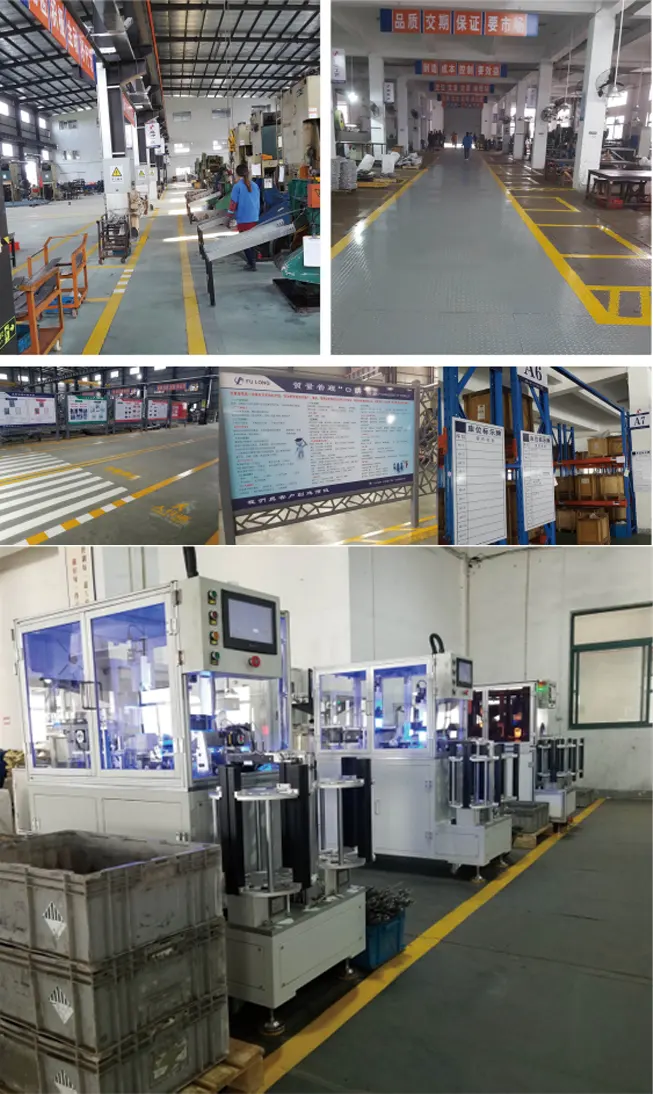
Ever Power specializes in the production and sale of high-quality plastic bevel gears. Our commitment to excellence and customer satisfaction sets us apart in the industry. Here are some reasons to partner with us:
- Superior Quality: We use premium materials and state-of-the-art manufacturing processes to ensure our gears meet the highest standards.
- Innovative Solutions: Our team of experts is dedicated to developing innovative gear solutions that meet the evolving needs of our customers.
- Comprehensive Support: We offer comprehensive after-sales support, including technical assistance and maintenance services, to ensure our customers’ success.
- Competitive Pricing: Our cost-effective manufacturing processes allow us to offer high-quality gears at competitive prices, delivering excellent value for money.
- Customer-Centric Approach: We prioritize our customers’ needs and work closely with them to provide tailored solutions that drive their success.
FAQs
- What materials are used in plastic bevel gear molds?
Plastic bevel gear molds are typically made from hardened steel, aluminum, and high-strength alloys to ensure durability and precision.
- How does the quality of the mold affect the gears produced?
The quality of the mold directly influences the precision, longevity, and performance of the plastic bevel gears produced.
- What are the advantages of plastic bevel gears over metal gears?
Plastic bevel gears offer advantages such as lightweight, corrosion resistance, low noise, self-lubrication, and cost-effectiveness.
- In which industries are plastic bevel gears commonly used?
Plastic bevel gears are widely used in industries such as toys, electronics, medical devices, model manufacturing, and household appliances.
- How can one choose the right plastic bevel gear for a specific application?
Choosing the right plastic bevel gear involves defining requirements, selecting appropriate materials, optimizing design, and ensuring quality control.
Author: Dream