plastic injection gear cost considerations

Plastic Injection Gear Cost Considerations
Introduction to Plastic Injection Gear Cost Considerations
Plastic injection gears are ubiquitous in various industries due to their versatility, cost-effectiveness, and efficiency. However, understanding the cost considerations associated with these components is crucial for manufacturers and buyers alike. This article provides an in-depth look at the factors influencing the cost of plastic injection gears, helping stakeholders make informed decisions.
Material Selection
The choice of material significantly impacts the overall cost of plastic injection gears. High-performance plastics such as POM, PEEK, and nylon often come with a higher price tag compared to standard polymers like PP and PET. The material’s durability, strength, and environmental resistance play a crucial role in determining the final product’s cost.
Tooling and Mold Costs
The initial investment in tooling and mold creation is a significant cost factor. High-precision molds that ensure perfect gear alignment and quality may require substantial financial outlay. The complexity of the gear design, such as intricate tooth structures and custom features, also influences these costs.
Production Volume
Economies of scale play a pivotal role in the cost of plastic injection gears. Higher production volumes typically lead to lower per-unit costs as the fixed costs of tooling and setup are spread over a larger number of units. Conversely, small production runs may result in higher costs per gear.
Cycle Time and Efficiency
The cycle time, or the duration required to complete one injection molding cycle, directly affects production efficiency and costs. Faster cycle times translate to higher output rates, reducing per-unit costs. Advanced molding machines with optimized cycle times can significantly enhance cost-efficiency.
Labor and Overhead Costs
Labor costs, including those for skilled technicians and operators, are a substantial component of the total production cost. Additionally, overhead expenses such as facility maintenance, energy consumption, and administrative costs contribute to the overall cost structure.
Quality Control and Testing
Ensuring high-quality plastic injection gears involves rigorous testing and quality control measures. The costs associated with these processes, including precision measurement tools, testing equipment, and quality assurance personnel, are integral to the total cost. High-quality standards may increase upfront costs but reduce long-term expenses due to fewer defects and replacements.
Post-Processing Requirements
Additional processes such as trimming, deburring, and surface finishing may be necessary to achieve the desired gear quality and performance. These post-processing steps add to the overall manufacturing cost but are crucial for ensuring the gear’s functional integrity and aesthetic appeal.
Packaging and Transportation
The cost of packaging and transportation is another consideration, especially for bulk orders. Protective packaging ensures the gears reach their destination without damage, while efficient logistics solutions minimize transportation costs. These factors contribute to the final product’s cost.
Regulatory Compliance
Compliance with industry standards and regulations, such as ISO certifications, requires investments in quality systems and documentation. While ensuring compliance can increase costs, it is essential for gaining market trust and meeting customer requirements.
Plastic Injection Gear Cost Considerations and Plastic Injection Gear Relationship
The relationship between cost considerations and plastic injection gears is intrinsically linked to the functional and operational characteristics of these components. By understanding the cost dynamics, manufacturers can optimize production processes, select appropriate materials, and implement cost-saving measures without compromising on quality.

Performance Characteristics of Plastic Injection Gears
- Lightweight: Plastic gears are significantly lighter than their metal counterparts, contributing to energy efficiency and reduced wear on machinery.
- Corrosion Resistance: Unlike metal gears, plastic gears do not corrode, making them ideal for use in harsh environments.
- Noiseless Operation: Plastic gears operate more quietly, which is advantageous in noise-sensitive applications.
- Cost-Effectiveness: The production of plastic gears is generally more economical, especially for high-volume runs.
- Customizability: The injection molding process allows for easy customization to meet specific design requirements.
Types and Characteristics of Plastic Injection Gears
Plastic injection gears come in various types, each with distinct characteristics suited for different applications. These include spur gears, bevel gears, worm gears, and helical gears. The choice of plastic material also impacts their properties:
- Acetal (POM): Known for its high strength and excellent dimensional stability, making it suitable for precision gears.
- Nylon: Offers good wear resistance and can operate under high load conditions, ideal for industrial use.
- Polyethylene (PE): Lightweight and flexible, suitable for applications requiring resilience and impact resistance.
- PEEK: High-performance plastic with excellent mechanical properties and chemical resistance, used in demanding environments.

Applications of Plastic Injection Gears in Various Industries
- Automotive Manufacturing: Used in actuators, steering systems, and transmission components, enhancing fuel efficiency and reducing weight.
- Aerospace: Ideal for lightweight and high-strength gear systems in aircraft and spacecraft, contributing to overall weight reduction.
- Medical Devices: Utilized in precision instruments and diagnostic equipment, ensuring reliability and hygiene.
- Energy Sector: Employed in wind turbines and solar tracking systems, providing durable and efficient motion control.
- Marine Industry: Resistant to corrosion and saltwater, perfect for underwater and ship machinery applications.
Future Trends and Opportunities for Plastic Injection Gear Products
- Advanced Materials: Development of new high-performance plastics will enhance gear durability and application scope.
- Smart Manufacturing: Integration of IoT and AI in production processes to optimize efficiency and reduce costs.
- Sustainability: Increasing use of recycled and bio-based plastics to meet environmental regulations and consumer demands.
- Customization: Growing trend towards highly customized gear solutions to meet specific industry requirements.
- Global Expansion: Expanding into emerging markets with a demand for cost-effective and high-quality gear solutions.

How to Choose the Right Plastic Injection Gear
- Define Your Requirements: Clearly outline the operational conditions, load requirements, and environmental factors.
- Material Selection: Choose the appropriate plastic material based on performance needs and cost considerations.
- Design Optimization: Work with designers to optimize gear geometry for efficiency and durability.
- Supplier and After-Sales Service: Select reputable suppliers who offer robust after-sales support and warranties.
- Cost-Effectiveness: Balance upfront costs with long-term benefits such as reduced maintenance and increased lifespan.
- Quality Control: Ensure the supplier follows stringent quality control processes to deliver reliable and consistent products.

Maintenance of Plastic Injection Gears
- Regular Inspections: Conduct routine checks to identify wear and tear or potential issues early.
- Cleaning and Corrosion Prevention: Maintain cleanliness and apply protective coatings to prevent corrosion.
- Lubrication and Maintenance: Use suitable lubricants to reduce friction and enhance gear longevity.
- Replacement of Worn Parts: Timely replace worn or damaged gears to avoid further machinery damage.
- Improvements and Upgrades: Implement upgrades based on the latest technology and material advancements for better performance.
Why Choose Ever Power
Ever Power is a leading manufacturer and supplier of high-quality plastic injection gears. Here are five reasons to choose us:
- Unmatched Expertise: With years of experience in the industry, we possess extensive knowledge and expertise in designing and manufacturing plastic gears.
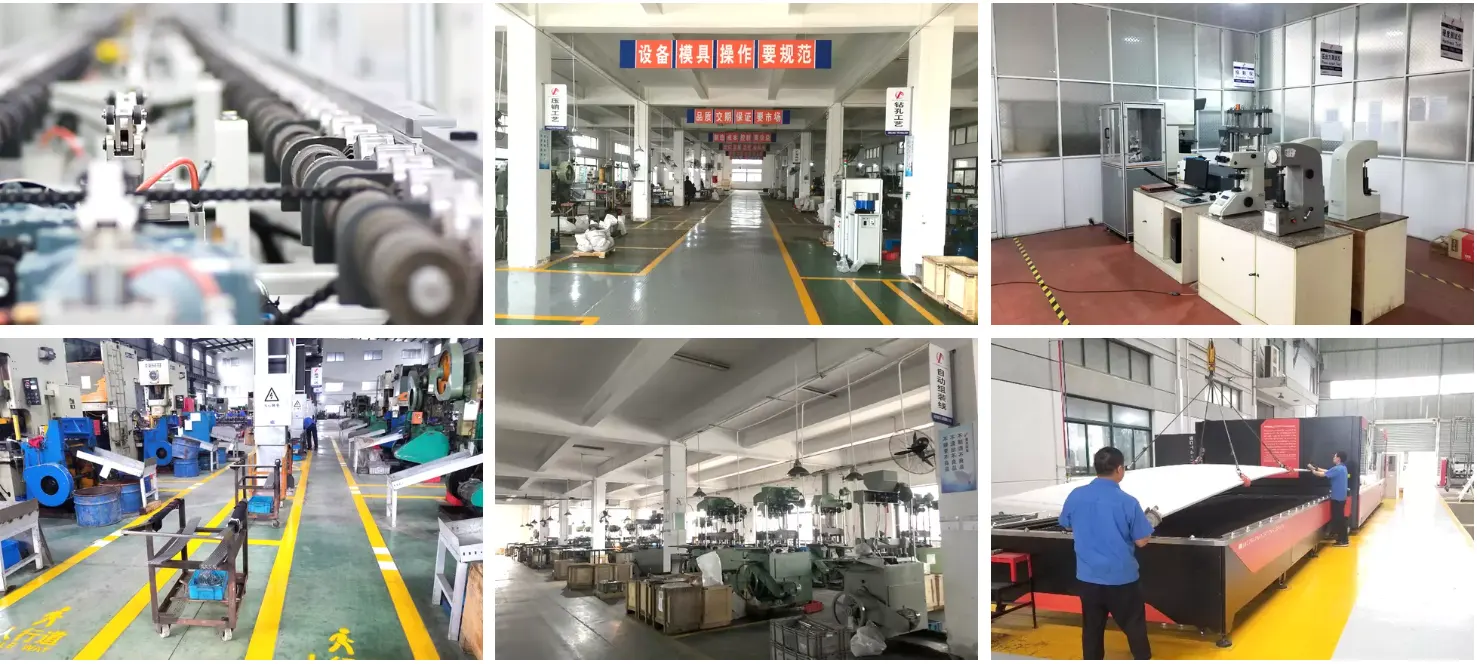
- Advanced Technology: We employ state-of-the-art injection molding machines and precision tools to ensure top-notch quality and efficiency.
- Customization Capability: Our team works closely with clients to deliver customized gear solutions tailored to their specific needs.
- Strict Quality Control: We adhere to stringent quality control measures to ensure every product meets the highest standards.
- Excellent Customer Service: Our dedicated support team provides comprehensive after-sales service and technical assistance.
Q&A
- Q: What materials are commonly used for plastic injection gears?
A: Common materials include POM, nylon, PE, and PEEK, each offering unique properties suited for different applications. - Q: How does production volume affect the cost of plastic injection gears?
A: Higher production volumes typically reduce per-unit costs due to economies of scale. - Q: What is the role of post-processing in the cost of plastic gears?
A: Post-processing ensures the final product meets quality and performance standards but adds to the manufacturing cost. - Q: Why is regular maintenance important for plastic injection gears?
A: Regular maintenance extends the lifespan of the gears and ensures efficient operation of machinery. - Q: How does Ever Power ensure the quality of its plastic injection gears?
A: Ever Power follows strict quality control processes and uses advanced technology to produce reliable and high-quality gears.
Author: Dream