plastic injection gear manufacturing tips

Plastic Injection Gear Manufacturing Tips and Relationship with Plastic Injection Gear
Introduction to Plastic Injection Gear Manufacturing Tips
The process of manufacturing plastic injection gears involves numerous intricate steps. These gears are integral components in various industries due to their precision and efficiency. Below are some essential tips to ensure the high quality and durability of plastic injection gears.
Material Selection
Selecting the appropriate material is paramount. Polyoxymethylene (POM) and Nylon are commonly used due to their mechanical properties and resilience. The choice of material impacts the gear’s performance, durability, and suitability for specific applications.
Mold Design
A well-designed mold is crucial for manufacturing precision gears. Considerations include the gear’s shape, size, and the material’s shrinkage rate. Proper mold design minimizes defects and ensures consistent quality.
Injection Molding Parameters
Optimizing injection molding parameters such as temperature, pressure, and cooling time is essential. These parameters affect the gear’s final dimensions and mechanical properties.
Quality Control
Implementing rigorous quality control measures is necessary to detect defects early. Utilize advanced techniques like X-ray tomography and coordinate measuring machines (CMM) for accurate assessments.
Post-Processing
Post-processing steps, including deburring and surface finishing, enhance the gear’s functionality and appearance. This ensures the gears meet stringent industry standards.
Testing and Validation
Conduct comprehensive testing under various conditions to validate the gear’s performance. This includes stress tests, load distribution analysis, and durability assessments.
Maintenance and Upkeep
Regular maintenance prolongs the lifespan of the gears. This involves routine inspections, cleaning, and lubrication to ensure optimal performance.
Environmental Considerations
Adopting eco-friendly manufacturing practices reduces environmental impact. Utilize recyclable materials and energy-efficient processes to promote sustainability.
Technological Advancements
Stay updated with the latest technological advancements in gear manufacturing. Incorporating innovations such as 3D printing and automation can significantly improve efficiency and precision.
Cost Management
Effective cost management strategies are vital. This includes optimizing material usage, reducing waste, and streamlining processes to enhance profitability.
Informational Relationship Between Plastic Injection Gear Manufacturing Tips and Plastic Injection Gear
The plastic injection gear manufacturing tips directly impact the quality and performance of plastic injection gears. By adhering to these guidelines, manufacturers can produce gears that meet industry standards and perform reliably in various applications.

Performance Characteristics of Plastic Injection Gears
- High Precision: Plastic injection gears offer exceptional precision, critical for accurate motion control.
- Low Noise: The material properties of plastic gears contribute to quieter operation compared to metal gears.
- Lightweight: Plastic gears are significantly lighter, reducing the overall weight of machinery and improving efficiency.
- Corrosion Resistance: Plastic materials are inherently resistant to corrosion, enhancing longevity in harsh environments.
- Cost-Effective: Manufacturing plastic gears is generally more cost-effective than metal counterparts.
Types of Plastic Injection Gears and Their Characteristics
Plastic injection gears come in various types, each suited for different applications:
- Spur Gears: Known for their simplicity and efficiency, ideal for high-speed applications.
- Helical Gears: Offer smoother and quieter operation due to their angled teeth.
- Bevel Gears: Transmit motion between intersecting shafts, used in differential systems.
- Worm Gears: Provide high torque and compact design, commonly used in lifting mechanisms.
Different materials used in plastic gears have unique advantages:
- Polyoxymethylene (POM): High stiffness, low friction, and excellent dimensional stability.
- Nylon: High tensile strength, impact resistance, and fatigue endurance.

Applications of Plastic Injection Gears in Various Industries
- Automotive Industry: Used in transmission systems, power windows, and seat adjusters.
- Aerospace: Employed in control systems, actuators, and landing gear mechanisms.
- Medical Devices: Found in diagnostic equipment, surgical instruments, and infusion pumps.
- Energy Sector: Utilized in wind turbines, solar trackers, and oil exploration equipment.
- Marine Industry: Integral to propulsion systems, steering mechanisms, and underwater robots.
Future Trends and Opportunities in Plastic Injection Gear Manufacturing
- Advancements in material science leading to stronger and more durable gears.
- Increased use of automation and robotics in manufacturing processes.
- Adoption of sustainable and eco-friendly practices.
- Integration of smart technologies for real-time monitoring and diagnostics.
- Expansion into emerging markets with growing industrial sectors.

Guidelines for Selecting the Right Plastic Injection Gear
- Identify Requirements: Define the operational parameters and environmental conditions.
- Material Selection: Choose materials based on mechanical properties, durability, and application specifics.
- Design Optimization: Collaborate with engineers to optimize gear design for performance and manufacturability.
- Supplier and After-Sales Service: Select reliable suppliers offering comprehensive support and services.
- Cost-Effectiveness: Balance quality and cost to achieve the best value for investment.
- Quality Control: Implement stringent quality control measures to ensure product reliability.

Maintaining Plastic Injection Gears
- Regular Inspections: Conduct routine checks to identify wear and damage early.
- Cleaning and Corrosion Prevention: Keep gears clean and apply anti-corrosion treatments as needed.
- Lubrication: Regularly lubricate gears to minimize friction and wear.
- Component Replacement: Replace worn or damaged parts promptly to maintain optimal performance.
- Upgrades: Consider technological upgrades to improve efficiency and longevity.
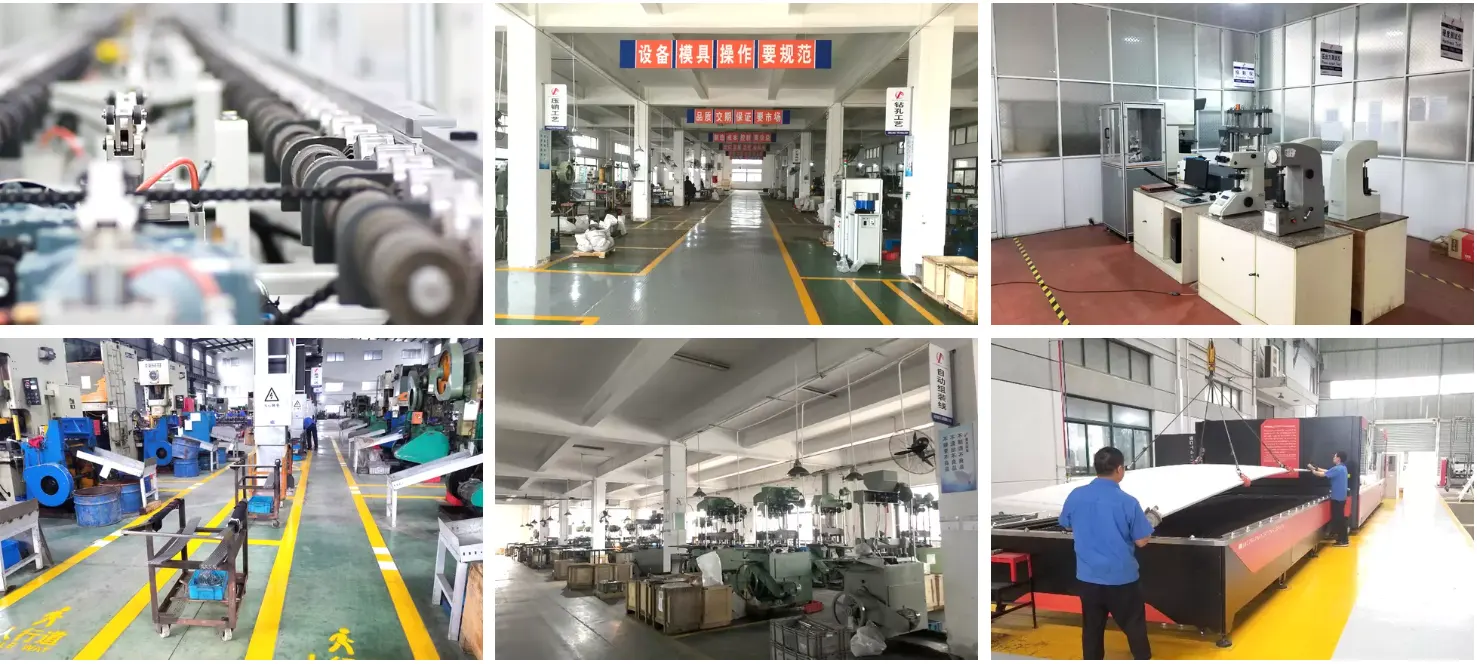
Why Choose Ever Power?
Ever Power specializes in the production and sale of plastic injection gears. Here are five reasons to partner with us:
- Expertise: With years of experience in the industry, we provide expert solutions tailored to your needs.
- Quality Assurance: Our rigorous quality control processes ensure every product meets the highest standards.
- Advanced Technology: We utilize cutting-edge technology to deliver precision and efficiency in gear manufacturing.
- Customer Support: Our dedicated customer support team offers comprehensive after-sales service.
- Competitive Pricing: We offer cost-effective solutions without compromising on quality.
Frequently Asked Questions
- What materials are commonly used for plastic injection gears?
POM and Nylon are widely used due to their excellent mechanical properties. - How can I ensure the durability of plastic gears?
Regular maintenance, proper lubrication, and selecting the right material are key to durability. - Are plastic gears suitable for high-load applications?
Yes, with the right material and design, plastic gears can handle high loads effectively. - What are the benefits of using plastic gears over metal gears?
Plastic gears are lightweight, corrosion-resistant, quieter, and often more cost-effective. - How do I choose the right supplier for plastic injection gears?
Consider factors such as expertise, quality assurance, technological capabilities, customer support, and pricing.
Author: Dream