plastic injection gear production challenges

Plastic Injection Gear Production Challenges and Plastic Injection Gear Relationship
Introduction to Plastic Injection Gear Production Challenges
Plastic injection gear production is a sophisticated process that involves numerous challenges. These challenges arise from the precision required in gear manufacturing, material selection, mold design complexities, and the need for high consistency in production. The process demands a meticulous approach to ensure gears function efficiently and have a prolonged lifespan. Let’s delve into the key challenges faced during plastic injection gear production.
Material Selection Complications
Choosing the right material for plastic injection gears is paramount yet challenging. The material must exhibit excellent mechanical properties, thermal stability, and low friction. Common materials include nylon, polyacetal, and polycarbonate. Each material offers unique benefits but also presents specific challenges, such as susceptibility to moisture absorption or thermal expansion.
Mold Design and Maintenance
The design and maintenance of injection molds are crucial in achieving high-precision gears. Molds must be meticulously designed to ensure the gears have accurate dimensions and surface finishes. Frequent maintenance is necessary to avoid wear and tear, which can lead to defects in the gears. This requires significant investment in both time and resources.
Precision and Tolerance Control
Maintaining precise tolerances in plastic injection gears is a significant challenge. Gears must meet stringent dimensional tolerances to ensure they mesh correctly and operate smoothly. Variations in temperature and pressure during the injection molding process can affect the final product, making precision control essential.
Consistent Quality Assurance
Ensuring consistent quality in plastic injection gears is paramount. This involves rigorous testing and inspection procedures to identify and rectify defects. Quality assurance processes must be integrated at every production stage to maintain high standards and meet industry requirements.
Cycle Time Optimization
Optimizing cycle time in plastic injection molding is critical for efficient production. However, reducing cycle time without compromising quality is challenging. It requires a fine balance between mold cooling times, injection speeds, and material flow characteristics to achieve optimal production efficiency.
Cost Management
Cost control in plastic injection gear production is a significant challenge. The high costs associated with mold creation, material procurement, and quality assurance can impact the overall production budget. Efficient cost management strategies are essential to ensure the economic viability of the production process.
Environmental Considerations
Sustainability and environmental impact are increasingly important in manufacturing. The production of plastic injection gears must consider waste management, energy consumption, and the use of eco-friendly materials. Implementing sustainable practices can be challenging but is crucial for long-term environmental responsibility.
Technological Advancements
Keeping pace with technological advancements in plastic injection molding is essential but challenging. Innovations in materials, mold design, and injection molding techniques can enhance production efficiency and gear performance. Staying updated with the latest technologies requires continuous investment in research and development.
Informational Relationship Between Plastic Injection Gear Production Challenges and Plastic Injection Gear
The challenges faced in plastic injection gear production are intricately linked to the characteristics and performance of plastic injection gears. Understanding and addressing these challenges directly impact the quality, durability, and functionality of the final gears. Effective material selection, precision in mold design, and rigorous quality assurance are critical in producing high-performance plastic injection gears.

Performance Characteristics of Plastic Injection Gears
- Lightweight: Plastic gears are significantly lighter compared to metal gears, which reduces the overall weight of machinery.
- Corrosion Resistance: Being non-metallic, plastic gears are resistant to corrosion, making them ideal for use in harsh environments.
- Low Noise and Vibration: Plastic gears operate quietly and produce less vibration, enhancing user experience and reducing wear.
- Self-Lubrication: Some plastic materials have self-lubricating properties, reducing the need for additional lubrication.
- Cost-Effective: Plastic gears are generally more cost-effective in mass production compared to metal gears.
Types and Characteristics of Plastic Injection Gears
Plastic injection gears come in various types, each with unique characteristics that suit different applications. Common types include spur gears, helical gears, bevel gears, and worm gears. These gears are typically made from materials like nylon, polyacetal, and polycarbonate. Each material offers distinct advantages, such as nylon’s excellent wear resistance, polyacetal’s low friction, and polycarbonate’s high impact strength.

Applications of Plastic Injection Gears in Various Industries
- Automotive Manufacturing: Plastic gears are used in car engines, steering systems, and transmission components, offering lightweight and corrosion-resistant solutions.
- Aerospace Industry: In aerospace, plastic gears are used in flight control systems and cabin equipment, where weight reduction is critical.
- Medical Equipment: Plastic gears are ideal for medical devices due to their biocompatibility and ease of sterilization.
- Energy Sector: In the energy sector, plastic gears are used in wind turbines and solar panel tracking systems for their durability and resistance to environmental conditions.
- Marine Industry: Plastic gears are employed in marine applications for their excellent resistance to saltwater corrosion and lightweight properties.
Future Trends and Opportunities in Plastic Injection Gear Production
The future of plastic injection gear production holds several promising trends and opportunities. Innovations in material science, such as the development of high-performance polymers, are expected to enhance gear durability and efficiency. Additionally, advancements in injection molding technology, including the use of automation and AI, will further optimize production processes. There is also a growing emphasis on sustainability, with increased use of recyclable and biodegradable materials in gear manufacturing. To stay competitive, manufacturers must invest in research and development, adopt new technologies, and implement sustainable practices.

How to Choose the Right Plastic Injection Gear
Choosing the right plastic injection gear involves several considerations:
- Define Requirements: Clearly identify the operational requirements, such as load capacity, speed, and environmental conditions.
- Material Selection: Select the appropriate material based on mechanical properties, thermal stability, and application-specific needs.
- Design Optimization: Ensure the gear design is optimized for performance and manufacturability, including tooth profile and size.
- Supplier and After-Sales Service: Choose a reliable supplier who offers comprehensive after-sales service, including technical support and maintenance.
- Cost-Effectiveness: Balance cost considerations with quality and performance requirements to ensure economic viability.
- Quality Control: Implement stringent quality control measures to ensure consistent production of high-quality gears.

Maintenance of Plastic Injection Gears
Regular maintenance is crucial for the longevity and performance of plastic injection gears. Key maintenance practices include:
- Routine Inspections: Conduct regular inspections to identify and address wear and tear or potential issues early.
- Cleaning and Corrosion Prevention: Keep gears clean and apply corrosion inhibitors as necessary to prevent damage.
- Lubrication and Upkeep: Ensure gears are adequately lubricated, especially those without self-lubricating properties, to reduce friction and wear.
- Replacement of Worn Parts: Promptly replace any worn or damaged components to maintain optimal gear performance.
- Upgrades and Improvements: Consider upgrading to newer, more advanced materials or designs to enhance gear performance and longevity.
Why Choose Ever Power
Choosing Ever Power for your plastic injection gear needs offers numerous advantages:
- Expertise and Experience: With years of experience in the industry, Ever Power has the expertise to deliver high-quality plastic gears tailored to your needs.
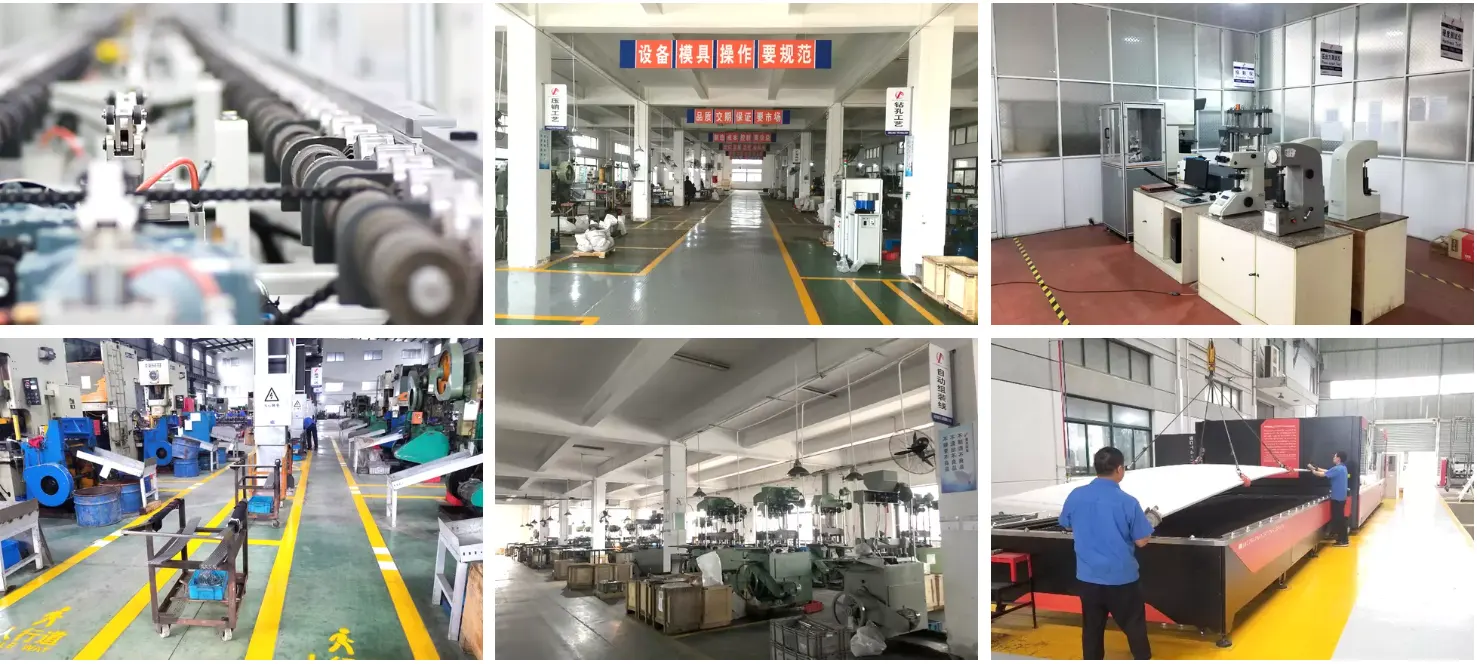
- Advanced Technology: We utilize the latest injection molding technologies and materials to ensure our gears meet the highest standards of precision and durability.
- Comprehensive Quality Control: Our strict quality control processes ensure that every gear we produce meets stringent quality requirements, providing you with reliable and consistent performance.
- Customization Options: Ever Power offers extensive customization options, allowing you to specify the exact gear dimensions, materials, and performance characteristics you require.
- Excellent Customer Service: We pride ourselves on our exceptional customer service, offering technical support and after-sales service to ensure your complete satisfaction.
Q&A
- Q1: What are the main challenges in plastic injection gear production?
- A1: The main challenges include material selection, precision and tolerance control, mold design and maintenance, consistent quality assurance, and cost management.
- Q2: How do material choices impact plastic injection gear performance?
- A2: Material choices affect mechanical properties, thermal stability, friction, and resistance to environmental factors, directly impacting gear performance and longevity.
- Q3: What industries benefit from plastic injection gears?
- A3: Industries such as automotive, aerospace, medical equipment, energy, and marine benefit from the use of plastic injection gears due to their lightweight, corrosion resistance, and cost-effectiveness.
- Q4: How can manufacturers optimize the cycle time in plastic injection molding?
- A4: Manufacturers can optimize cycle time by balancing mold cooling times, injection speeds, and material flow characteristics while maintaining quality standards.
- Q5: What should be considered when choosing a plastic injection gear supplier?
- A5: Considerations include the supplier’s expertise, technology, quality control processes, customization options, and customer service to ensure reliable and high-quality gear production.
Author: Dream