plastic pinion gear materials

Plastic Pinion Gear Materials and Their Relationship with Plastic Pinion Gear
Introduction to Plastic Pinion Gear Materials
Plastic pinion gears have become increasingly prevalent in various industries due to their versatility, cost-effectiveness, and performance characteristics. These small yet crucial components are crafted from various plastic materials, each offering unique properties that make them suitable for specific applications.
Types of Plastic Materials Used in Pinion Gears
Different types of plastics are utilized in manufacturing pinion gears, each with distinct attributes that cater to varying operational requirements. Common materials include nylon, acetal, polycarbonate, and PEEK, among others.
Nylon
Nylon is one of the most widely used materials for plastic pinion gears due to its high strength, wear resistance, and self-lubricating properties. It is particularly suitable for applications requiring durability and reduced friction.
Acetal
Acetal, also known as POM (polyoxymethylene), offers excellent dimensional stability, low friction, and good wear resistance. It is ideal for precision gears that need to maintain tight tolerances over extended periods.
Polycarbonate
Polycarbonate is known for its high impact resistance and optical clarity. While it may not have the same wear resistance as nylon or acetal, it is suitable for specific applications that benefit from its transparency and toughness.
PEEK
PEEK (polyether ether ketone) is a high-performance engineering plastic known for its exceptional mechanical properties, chemical resistance, and high-temperature performance. It is often used in demanding environments where high strength and stability are required.
Importance of Material Choice
Selecting the appropriate material for plastic pinion gears is critical to ensuring optimal performance and longevity. Factors such as load capacity, operating environment, and lubrication requirements must be considered when choosing the right material.
Relationship Between Plastic Pinion Gear and Its Materials
Plastic pinion gears and their materials are intrinsically linked, as the choice of material directly impacts the gear’s performance, durability, and application suitability. Understanding this relationship allows for better design and material selection to meet specific operational needs.

Performance Characteristics of Plastic Pinion Gears
- Wear Resistance: The ability to resist wear and abrasion is crucial for longevity and efficiency.
- Low Friction: Reduced friction helps in minimizing energy loss and prolonging gear life.
- Noise Reduction: Plastic gears typically operate quieter than metal gears, making them ideal for noise-sensitive applications.
- Corrosion Resistance: Many plastics are resistant to moisture and chemicals, preventing corrosion.
- Cost-Effectiveness: Plastic gears often offer a more economical solution compared to their metal counterparts.
Types of Plastic Pinion Gears and Their Advantages
Plastic pinion gears come in various types, each offering distinct advantages based on their material composition.
Nylon Gears
Nylon gears are preferred for their excellent wear resistance, toughness, and self-lubricating properties, making them suitable for high-load and high-wear applications.
Acetal Gears
Acetal gears provide high dimensional stability and low friction, ideal for precision applications where consistent performance is essential.
Polycarbonate Gears
Polycarbonate gears are selected for their impact resistance and transparency, making them suitable for applications requiring toughness and visual inspection.
PEEK Gears
PEEK gears are used in high-performance applications due to their exceptional mechanical strength, chemical resistance, and ability to withstand high temperatures.

Applications of Plastic Pinion Gears in Different Industries
Plastic pinion gears are utilized across numerous fields due to their unique properties and benefits.
Automotive Manufacturing
Plastic pinion gears are used in various automotive components, including steering systems, seat adjusters, and windshield wipers, due to their lightweight and noise reduction properties.
Aerospace
In aerospace, plastic pinion gears contribute to weight savings and improved fuel efficiency, essential for aircraft performance and environmental considerations.
Agricultural Equipment
Plastic pinion gears in agricultural machinery offer resistance to corrosion and wear, ensuring reliable operation in harsh environments.
Energy Sector
In the energy sector, plastic gears are employed in wind turbines and other renewable energy systems for their durability and maintenance-free operation.
Marine Engineering
Marine applications benefit from plastic pinion gears due to their resistance to saltwater corrosion and reduced maintenance requirements.

Future Trends and Opportunities for Plastic Pinion Gears
The plastic pinion gear market is poised for significant growth, driven by advancements in materials technology and increasing demand for lightweight, durable components.
Material Innovations
Innovations in polymer technology are leading to the development of new materials with enhanced properties, enabling even broader applications for plastic pinion gears.
Eco-Friendly Solutions
Sustainability is becoming a key focus, with the development of biodegradable and recyclable plastic materials offering environmental benefits.
Integration with Advanced Manufacturing Techniques
The adoption of 3D printing and other advanced manufacturing techniques allows for customized gear designs and rapid prototyping, expanding the possibilities for plastic pinion gears.
Increased Demand in Emerging Markets
Emerging markets are witnessing a surge in demand for cost-effective and efficient machinery, driving the growth of plastic pinion gears.
Regulatory Support
Supportive regulations promoting the use of lightweight and energy-efficient components are further propelling the adoption of plastic pinion gears in various industries.

Choosing the Right Plastic Pinion Gear
Selecting the appropriate plastic pinion gear involves several considerations to ensure optimal performance and cost-effectiveness.
Define Requirements
Clearly outline the operational requirements, including load, speed, and environmental conditions, to choose the best-suited gear material.
Material Selection
Evaluate the properties of different materials such as nylon, acetal, polycarbonate, and PEEK to match the specific needs of your application.
Design Optimization
Optimize the gear design to ensure efficient performance and longevity, taking into account factors like tooth profile and gear geometry.
Supplier and After-Sales Service
Select a reputable supplier with a track record of providing high-quality products and reliable after-sales support.
Cost-Effectiveness
Balance the initial cost with the long-term benefits, considering factors like maintenance requirements and component lifespan.
Quality Control
Ensure rigorous quality control processes are in place to guarantee the consistency and reliability of the gears.
Maintenance of Plastic Pinion Gears
Proper maintenance is essential to extend the lifespan and performance of plastic pinion gears.
Regular Inspections
Conduct periodic inspections to identify signs of wear, damage, or misalignment and take corrective measures promptly.
Cleaning and Corrosion Protection
Keep the gears clean and protect them from corrosive elements to prevent premature wear and failure.
Lubrication and Upkeep
Ensure appropriate lubrication to reduce friction and wear, enhancing the gear’s operational efficiency.
Replacing Worn Parts
Replace worn or damaged gears promptly to avoid compromising the entire system’s performance.
Upgrades and Improvements
Consider upgrades and improvements to the gear system based on technological advancements and evolving operational needs.
Why Choose Ever Power
Ever Power specializes in the production and distribution of high-quality plastic pinion gears. Here’s why you should choose us:
- Extensive Expertise: Our team has years of experience in manufacturing and designing plastic gears, ensuring top-notch quality and performance.
- Custom Solutions: We offer customized solutions tailored to meet your specific requirements, from material selection to gear design.
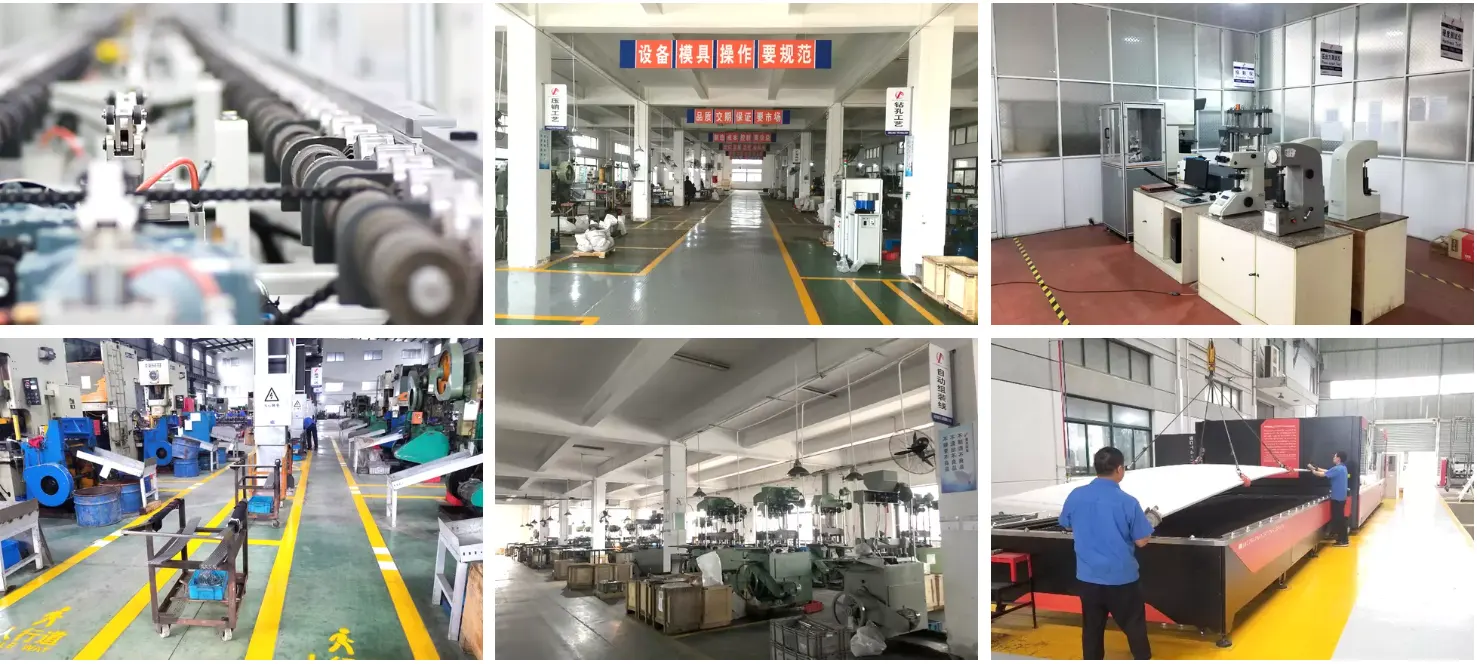
- Advanced Technology: We utilize state-of-the-art manufacturing techniques and equipment to produce precise and durable gears.
- Reliable After-Sales Service: Our dedicated support team provides comprehensive after-sales service to address any issues and ensure customer satisfaction.
- Competitive Pricing: We offer high-quality products at competitive prices, delivering excellent value for your investment.
FAQs
- What are the main advantages of plastic pinion gears? Plastic pinion gears offer benefits like reduced weight, noise reduction, corrosion resistance, and cost-effectiveness.
- Which plastic material is best for high-load applications? Nylon and PEEK are often used for high-load applications due to their strength and wear resistance.
- How do I select the right plastic pinion gear for my application? Consider factors like load capacity, operating environment, and material properties when selecting the right gear.
- What maintenance practices are recommended for plastic pinion gears? Regular inspections, proper lubrication, and timely replacement of worn parts are essential for maintenance.
- Why should I choose Ever Power for my plastic pinion gear needs? Ever Power offers extensive expertise, custom solutions, advanced technology, reliable after-sales service, and competitive pricing.
Author: Dream