plastic ring gear testing methods

Plastic Ring Gear Testing Methods and Their Relation to Plastic Ring Gear
Introduction to Plastic Ring Gear Testing Methods
Plastic ring gears are essential components in various machinery, offering advantages such as lightweight, corrosion resistance, and cost-effectiveness. To ensure their reliability and performance, several testing methods are employed. This article explores the diverse testing techniques used for plastic ring gears, emphasizing their importance and the relationship between these methods and the gears themselves.
Material Inspection
Before any functional testing, the material of the plastic ring gear is inspected for quality and consistency. This involves checking for impurities, uniformity, and the presence of any defects such as voids or cracks. Advanced techniques like spectroscopy and X-ray fluorescence are sometimes used to assess the material composition accurately.
Dimensional Accuracy
Dimensional accuracy is critical for plastic ring gears to ensure they fit perfectly within the designed assembly. Coordinate Measuring Machines (CMM) and laser scanners are often employed to measure the gears’ dimensions against design specifications with high precision. These measurements help in identifying any discrepancies that could affect the gear’s performance.
Tensile Strength Testing
Tensile strength testing evaluates the gear’s ability to withstand axial tension without breaking. This is crucial for applications where the gear will be subjected to pulling forces. The test involves applying a controlled tension load to a sample of the gear material until it fractures, measuring the maximum load it can bear.
Fatigue Testing
Fatigue testing simulates the cyclic loading conditions that a plastic ring gear will experience in real-world applications. This test involves repeatedly applying loads to the gear to determine its endurance and identify the point at which it fails. Fatigue testing helps in predicting the gear’s lifespan and performance under repetitive stress.
Wear Testing
Wear testing assesses the gear’s resistance to surface wear caused by friction and contact with other components. This is essential for gears used in high-friction environments. Wear testing typically involves running the gear against a counterface under controlled conditions and measuring the material loss over time.
Thermal Stability Testing
Thermal stability testing evaluates how well the plastic ring gear can perform under varying temperature conditions. This involves subjecting the gear to extreme temperatures and rapid temperature changes to observe any deformation, warping, or material degradation. Thermal stability is vital for gears used in environments with fluctuating temperatures.
Impact Resistance Testing
Impact resistance testing measures the gear’s ability to withstand sudden shocks and impacts without fracturing. This is particularly important for gears used in dynamic and high-impact applications. The test involves dropping a weight from a predetermined height onto the gear and observing any damage or failure.
Noise and Vibration Analysis
Noise and vibration analysis is performed to ensure the plastic ring gears operate quietly and smoothly. This involves using accelerometers and microphones to measure the vibration and sound levels during gear operation. Low noise and vibration levels are crucial for applications in consumer electronics and medical devices.
Environmental Exposure Testing
Environmental exposure testing examines how well the plastic ring gear can withstand harsh environmental conditions, such as exposure to chemicals, UV radiation, and moisture. This test is essential for gears used in outdoor or chemically aggressive environments. The gear is subjected to these conditions for extended periods, and its performance and integrity are evaluated.
The Relationship between Testing Methods and Plastic Ring Gear
Testing methods for plastic ring gears are intrinsically linked to ensuring their performance and reliability. Each testing technique addresses specific attributes of the gear, such as material quality, dimensional accuracy, tensile strength, and environmental resilience. By rigorously testing these aspects, manufacturers can identify potential weaknesses and improve the gear’s design and manufacturing process.

Performance Characteristics of Plastic Ring Gears
- Lightweight: Plastic ring gears are significantly lighter than their metal counterparts, reducing the overall weight of machinery and improving energy efficiency.
- Corrosion Resistance: Unlike metal gears, plastic ring gears do not corrode, making them ideal for use in wet or chemically aggressive environments.
- Low Noise Operation: The inherent damping properties of plastic reduce noise and vibration, making these gears suitable for applications requiring quiet operation.
- Cost-Effectiveness: Plastic ring gears are generally more affordable to manufacture, reducing the overall cost of machinery and equipment.
- Flexibility in Design: The versatility of plastic allows for more complex and precise gear designs, enhancing functionality and performance.
Types and Characteristics of Plastic Ring Gears
Plastic ring gears come in various types, each with unique characteristics and advantages based on the materials used:

- Polyamide (Nylon) Gears: Known for their high strength, wear resistance, and low friction, making them suitable for high-load applications.
- Polyoxymethylene (POM) Gears: Offer excellent dimensional stability, low moisture absorption, and high stiffness, ideal for precision gears.
- Polyethylene Terephthalate (PET) Gears: Known for their good mechanical properties, chemical resistance, and low cost.
- Polyvinyl Chloride (PVC) Gears: Provide good chemical resistance and are cost-effective, suitable for less demanding applications.
- Polyether Ether Ketone (PEEK) Gears: High-performance gears with excellent thermal stability, chemical resistance, and mechanical strength.
Applications of Plastic Ring Gears in Various Fields
Plastic ring gears are widely used across multiple industries due to their versatility and performance benefits:
- Automotive Manufacturing: Used in power windows, seat adjustments, and transmission systems due to their lightweight and low noise operation.
- Aerospace: Employed in actuators, control systems, and lightweight components where high performance and reliability are critical.
- Medical Devices: Utilized in diagnostic equipment, surgical tools, and patient care devices for their precision and biocompatibility.
- Robotic Technology: Integral in robotic joints, actuators, and automation systems due to their accuracy and low maintenance needs.
- Consumer Electronics: Found in printers, cameras, and household appliances for their silent operation and cost-effectiveness.
Future Trends and Opportunities for Plastic Ring Gears
The plastic ring gear market is poised for significant growth and innovation. Key trends and opportunities include:

- Advanced Material Development: Research into new plastic compounds with enhanced properties such as greater strength, heat resistance, and self-lubrication.
- Integration with Smart Technologies: Incorporating sensors and IoT capabilities for real-time monitoring and predictive maintenance.
- Sustainable Manufacturing Practices: Adoption of eco-friendly materials and processes to reduce environmental impact.
- Customization and Additive Manufacturing: Increasing use of 3D printing for custom gear designs and rapid prototyping.
- Expansion into New Markets: Growing demand in emerging industries such as renewable energy and electric vehicles.
Choosing the Right Plastic Ring Gear
Selecting the appropriate plastic ring gear involves several critical considerations:

- Define Requirements: Clearly outline the operational demands and environmental conditions the gear will face.
- Material Selection: Choose the plastic material that best suits the application based on factors like strength, wear resistance, and thermal stability.
- Design Optimization: Ensure the gear design aligns with the intended use, considering factors like load distribution and gear geometry.
- Supplier and After-Sales Service: Partner with a reputable supplier that offers comprehensive support and reliable after-sales service.
- Cost-Effectiveness: Balance quality and performance with cost to ensure the gear offers the best value for money.
- Quality Control: Implement rigorous quality control measures to verify the gear meets all specifications and standards.
Maintaining Plastic Ring Gears
Proper maintenance of plastic ring gears ensures their longevity and optimal performance. Key maintenance practices include:
- Regular Inspections: Periodically check the gears for signs of wear, damage, and misalignment.
- Cleaning and Corrosion Prevention: Keep the gears clean and protect them from corrosive environments.
- Lubrication and Maintenance: Use appropriate lubricants to reduce friction and wear.
- Replacement of Worn Parts: Timely replacement of worn or damaged gears to prevent failure.
- Upgrades and Improvements: Implement design and material upgrades to enhance gear performance and durability.
Why Choose Ever Power
When it comes to plastic ring gears, Ever Power stands out as a leading manufacturer and supplier. Here are five key advantages of choosing our products and services:
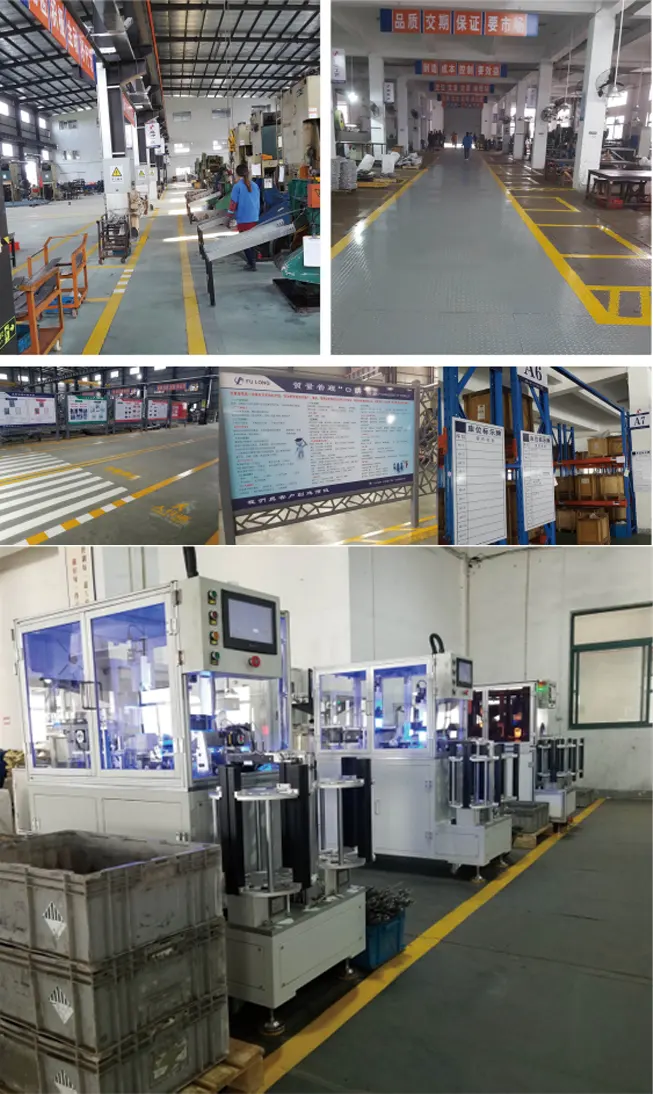
- High-Quality Materials: We use premium-grade plastics to ensure our gears excel in performance, durability, and environmental resistance.
- Advanced Manufacturing Techniques: Our state-of-the-art production facilities and processes guarantee precision and consistency in every gear we produce.
- Customized Solutions: We offer tailored gear designs to meet the specific requirements of diverse applications, ensuring optimal performance and fit.
- Comprehensive Support: From initial consultation to after-sales service, our expert team provides full support to ensure customer satisfaction.
- Competitive Pricing: By optimizing our production processes and supply chain, we offer high-quality gears at competitive prices, delivering excellent value to our customers.
FAQs
- What are the benefits of using plastic ring gears over metal gears?
Plastic ring gears offer advantages such as lightweight, corrosion resistance, low noise operation, and cost-effectiveness. - How do you ensure the quality of plastic ring gears?
We implement rigorous testing methods including material inspection, dimensional accuracy checks, and fatigue testing to ensure high quality. - Can plastic ring gears be used in high-temperature environments?
Yes, we offer gears made from high-performance plastics like PEEK that can withstand high temperatures. - Do you provide customized plastic ring gear solutions?
Yes, we offer customized design and manufacturing services to meet specific application requirements. - What industries commonly use plastic ring gears?
Plastic ring gears are widely used in automotive manufacturing, aerospace, medical devices, robotic technology, and consumer electronics.
Author: Dream