plastic transmission gear benefits

Plastic Transmission Gear Benefits
Introduction to Plastic Transmission Gear Benefits
Plastic transmission gears are gaining popularity in various industries due to their numerous advantages over traditional metal gears. These benefits include reduced weight, lower cost, and improved corrosion resistance, among others. This article delves into the many benefits of plastic transmission gears, their applications, and how they compare to their metal counterparts.
Weight Reduction
One of the foremost benefits of plastic transmission gears is their lightweight nature. Compared to metal gears, plastic gears significantly reduce the overall weight of the machinery. This reduction in weight translates to lower energy consumption and increased efficiency, especially in applications where weight is a critical factor.
Cost Efficiency
Plastic gears are generally more cost-effective than metal gears. The manufacturing process of plastic gears is less expensive, and the material costs are lower. This cost advantage makes plastic gears an attractive option for a wide range of applications.
Corrosion Resistance
Plastic transmission gears exhibit excellent resistance to corrosion. Unlike metal gears, which can rust and deteriorate when exposed to moisture and chemicals, plastic gears maintain their structural integrity. This resistance makes them ideal for use in harsh environments.
Noise Reduction
Another significant advantage of plastic gears is their ability to reduce noise. Plastic gears operate more quietly than metal gears, making them suitable for applications where noise reduction is essential, such as in medical devices and consumer electronics.
Self-Lubrication
Many plastic gears possess self-lubricating properties, which reduce the need for additional lubrication. This feature not only simplifies maintenance but also contributes to a cleaner operating environment. Self-lubricating gears are particularly beneficial in applications where lubrication is challenging.
Design Flexibility
Plastic gears offer greater design flexibility than metal gears. They can be molded into complex shapes and customized to meet specific requirements. This adaptability allows for innovative design solutions and the optimization of gear performance.
Dimensional Stability
Plastic gears maintain their dimensional stability over a wide range of temperatures. This stability ensures consistent performance and reliability, even in applications with significant temperature fluctuations.
Vibration Damping
Plastic gears have inherent damping properties, which help to absorb vibrations and reduce wear and tear on other components. This damping capability enhances the longevity of the entire system and improves overall performance.
Customization Options
The use of plastic in gear manufacturing allows for extensive customization options. Different types of plastics can be combined to create gears with specific properties tailored to particular applications. This level of customization ensures optimal performance and durability.
Environmental Benefits
Plastic gears offer environmental benefits, such as being recyclable and having a lower carbon footprint compared to metal gears. Their production process is more energy-efficient, contributing to overall sustainability efforts.
Relationship Between Plastic Transmission Gear Benefits and Plastic Transmission Gear
The benefits of plastic transmission gears are intrinsically linked to their unique characteristics. Plastic transmission gears, by virtue of their lightweight, cost-efficiency, and corrosion resistance, provide a multitude of advantages in various applications. These attributes make them a superior choice in many industries, such as automotive, aerospace, and consumer electronics.

Performance Characteristics of Plastic Transmission Gear
Plastic transmission gears exhibit several distinct performance characteristics:
- High Strength-to-Weight Ratio: Despite being lightweight, plastic gears can withstand significant loads, making them suitable for demanding applications.
- Low Friction Coefficient: The low friction coefficient of plastic gears reduces wear and increases efficiency.
- Thermal Stability: Plastic gears maintain their performance across a wide range of temperatures, ensuring reliability.
- Electrical Insulation: Plastic gears provide electrical insulation, which is beneficial in electronic applications.
- Resistance to Chemicals: Plastic gears are resistant to many chemicals, making them ideal for use in chemical processing industries.
Types and Properties of Plastic Transmission Gears
Plastic transmission gears are available in various types, each with unique properties:
- Nylon Gears: Known for their excellent wear resistance and fatigue strength. Ideal for high-load applications.
- Acetal (POM) Gears: Offer low friction and high stiffness. Suitable for precision applications.
- Polycarbonate Gears: Provide high impact resistance and dimensional stability. Used in demanding environments.
- Polyethylene Gears: Feature good chemical resistance and low cost. Suitable for general-purpose applications.
- Polyamide (PA) Gears: Known for their toughness and high load-bearing capacity. Widely used in automotive applications.

Applications of Plastic Transmission Gears Across Various Industries
Plastic transmission gears find applications in multiple industries:
- Automotive Manufacturing: Used in various components such as window regulators and seat adjusters due to their lightweight and noise reduction properties.
- Aerospace: Employed in aircraft systems for their high strength-to-weight ratio and durability.
- Medical Equipment: Utilized in medical devices for their precision and biocompatibility.
- Energy Sector: Used in wind turbines and other energy-generating equipment for their reliability and efficiency.
- Consumer Electronics: Found in devices like printers and cameras due to their quiet operation and cost-effectiveness.
Future Trends and Opportunities in Plastic Transmission Gear Products
The future of plastic transmission gears is promising, with several trends and opportunities on the horizon:
- Advanced Materials: Development of new plastic composites with enhanced properties.
- 3D Printing: Use of 3D printing technology for rapid prototyping and custom gear production.
- IoT Integration: Incorporation of smart sensors for real-time monitoring and predictive maintenance.
- Sustainability: Increased focus on recyclable materials and eco-friendly manufacturing processes.
- Market Expansion: Growth in emerging markets with rising demand for efficient and cost-effective transmission solutions.

Choosing the Right Plastic Transmission Gear
Selecting the appropriate plastic transmission gear involves several considerations:
- Identify Requirements: Clearly define the application’s load, speed, and environmental conditions.
- Material Selection: Choose the plastic type that best meets the performance and environmental needs.
- Design Optimization: Ensure the gear design is optimized for the application’s specific demands.
- Supplier and After-Sales Service: Partner with a reliable supplier who offers robust after-sales support.
- Cost-Effectiveness: Balance cost with performance to achieve the best value for money.
- Quality Control: Implement stringent quality control measures to ensure gear reliability and longevity.

Maintenance of Plastic Transmission Gears
Proper maintenance of plastic transmission gears is crucial for optimal performance:
- Regular Inspections: Conduct periodic inspections to identify and address potential issues early.
- Cleaning and Corrosion Prevention: Keep gears clean and apply appropriate corrosion inhibitors if necessary.
- Lubrication and Care: Use suitable lubricants for plastic gears and ensure they are adequately lubricated.
- Replacement of Worn Parts: Replace any worn or damaged gears to maintain system efficiency.
- Upgrades and Improvements: Consider upgrading to advanced plastic materials or designs for enhanced performance.
Why Choose Ever Power
Ever Power is a leading manufacturer and supplier of plastic transmission gears, offering unparalleled expertise and product quality. Here are five reasons to choose Ever Power:
- Extensive Product Range: We offer a wide variety of plastic gears to meet diverse application needs.
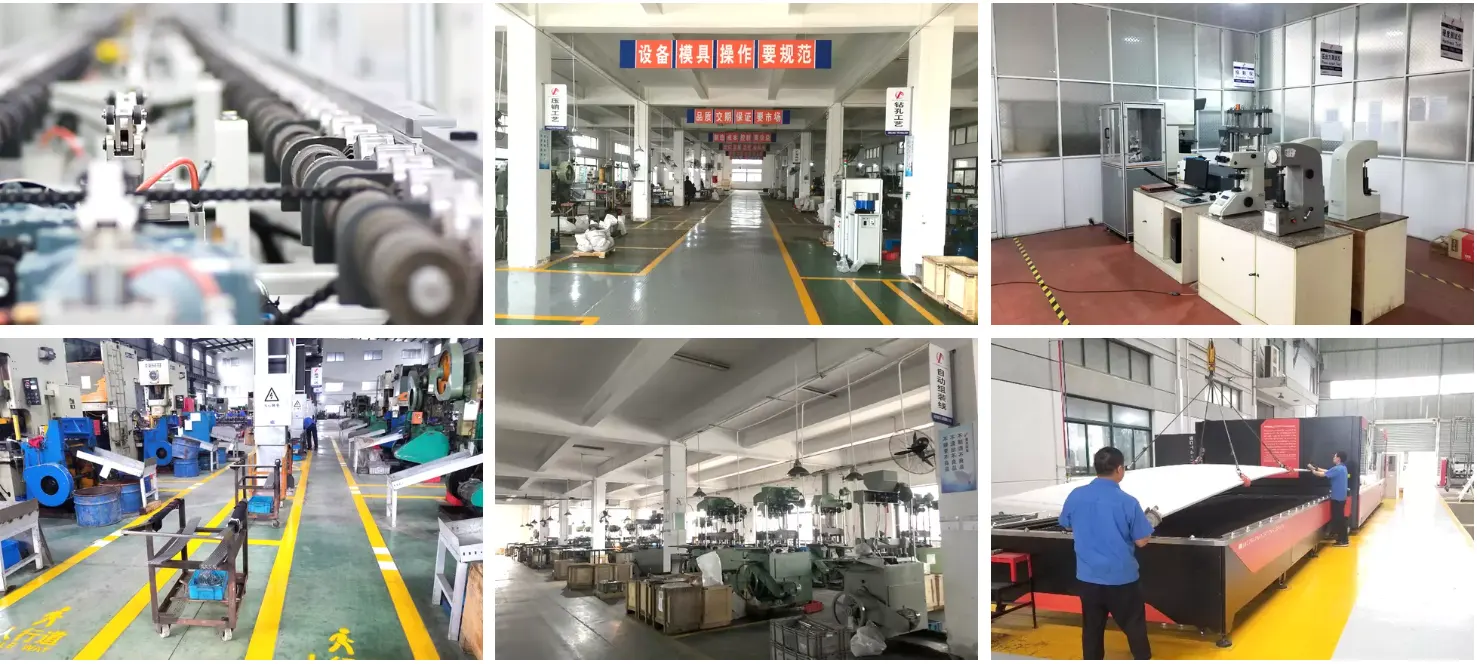
- Advanced Manufacturing Technology: Our state-of-the-art manufacturing facilities ensure high precision and quality.
- Experienced Team: Our team of experts provides exceptional technical support and customer service.
- Customization Capabilities: We offer tailored solutions to meet specific customer requirements.
- Commitment to Sustainability: We prioritize eco-friendly practices and materials in our production processes.
Q&A
- Q: What are the main benefits of plastic transmission gears?
A: The main benefits include reduced weight, cost efficiency, corrosion resistance, noise reduction, and design flexibility. - Q: How do plastic gears compare to metal gears in terms of strength?
A: While plastic gears are generally lighter, they offer a high strength-to-weight ratio and can withstand significant loads in many applications. - Q: What industries benefit the most from using plastic transmission gears?
A: Industries such as automotive, aerospace, medical equipment, energy, and consumer electronics benefit greatly from plastic transmission gears. - Q: What future trends are expected in the plastic transmission gear industry?
A: Future trends include advanced materials, 3D printing, IoT integration, sustainability efforts, and market expansion. - Q: How can I ensure I choose the right plastic transmission gear for my application?
A: Consider factors such as application requirements, material selection, design optimization, supplier reliability, cost-effectiveness, and quality control.
Author: Dream