plastic transmission gear durability

Plastic Transmission Gear Durability and Plastic Transmission Gear
Plastic transmission gears have revolutionized various industries by offering unparalleled benefits in terms of strength-to-weight ratio, efficiency, and cost-effectiveness. Understanding the durability of these components is crucial for their optimal application. This article delves into the durability of plastic transmission gears, their characteristics, applications, and future prospects.
Introduction to Plastic Transmission Gear Durability
Durability is a critical factor in selecting transmission gears, especially when considering the transition from traditional metal gears to plastic alternatives. Plastic transmission gears, fabricated from high-performance polymers, have shown significant advancements in terms of wear resistance, fatigue life, and overall longevity. This section will explore the fundamental aspects that define the durability of these gears.
Material Properties
High-performance plastics like Nylon, Polyoxymethylene (POM), and Polyetheretherketone (PEEK) are commonly used. These materials are chosen for their excellent mechanical properties, including high tensile strength, low friction coefficients, and good thermal stability. These properties contribute to the gear’s ability to withstand various operational stresses without significant degradation over time.
Manufacturing Techniques
Advanced manufacturing techniques such as injection molding and precision machining play a vital role in the durability of plastic gears. These methods ensure tight tolerances and consistent material properties throughout the gear, reducing the likelihood of defects that could compromise durability.
Environmental Factors
Environmental conditions, including temperature, humidity, and exposure to chemicals, can impact the longevity of plastic gears. High-performance polymers are selected based on their ability to resist environmental degradation, ensuring stable performance even in harsh conditions.
Load-Bearing Capacity
Plastic gears can handle significant loads, although they may not match the maximum load-bearing capacity of metal gears. However, their superior wear characteristics and ability to operate without lubrication can offset this limitation, making them suitable for various applications.
Wear and Tear
Wear resistance is a primary concern for any gear. Plastic gears exhibit excellent wear resistance due to their inherent lubricity, which reduces friction and heat generation during operation. This self-lubricating property extends the service life of the gears.
Plastic Transmission Gear Durability and Plastic Transmission Gear
Durability is intrinsically linked to the material properties and manufacturing quality of plastic transmission gears. These gears are engineered to provide long-lasting performance under various operational conditions. The durability of plastic transmission gears is a testament to the advancements in polymer science and manufacturing technologies.

Performance Characteristics of Plastic Transmission Gears
- **Lightweight:** Plastic gears are significantly lighter than their metal counterparts, reducing the overall weight of machinery and improving energy efficiency.
- **Noise Reduction:** The inherent dampening properties of plastic minimize noise and vibration, making them ideal for applications requiring quiet operation.
- **Corrosion Resistance:** Plastic gears are immune to corrosion, making them suitable for environments where metal gears would degrade.
- **Cost-Effectiveness:** Plastic gears are typically less expensive to manufacture, particularly in high volumes, due to lower material and production costs.
- **Self-Lubrication:** Many plastic gears possess self-lubricating properties, eliminating the need for external lubrication and reducing maintenance requirements.
Types and Characteristics of Plastic Transmission Gears
Plastic transmission gears are available in various types, each designed to meet specific application requirements. These include spur gears, helical gears, bevel gears, and worm gears. The choice of material and gear type depends on the intended use and performance criteria.

Common Materials Used
- **Nylon:** Known for its good mechanical strength and excellent wear resistance, suitable for high-load applications.
- **Polyoxymethylene (POM):** Offers low friction and high stiffness, ideal for precision gears.
- **Polyetheretherketone (PEEK):** Provides exceptional thermal stability and chemical resistance, used in extreme environments.
- **Acrylonitrile Butadiene Styrene (ABS):** Favored for its impact resistance and toughness, commonly used in consumer electronics.
Applications in Various Industries
Plastic transmission gears are integral to numerous industries due to their unique properties and advantages. Below is a detailed look at their applications in different sectors.
Automotive Manufacturing
In the automotive sector, plastic gears are used in power windows, seat adjusters, and engine timing systems. Their lightweight and noise reduction properties contribute to improved fuel efficiency and passenger comfort.
Aerospace
The aerospace industry benefits from the weight savings and high performance of plastic gears. They are used in actuators, control systems, and lightweight drones, where reducing weight is crucial for fuel efficiency and payload capacity.
Medical Equipment
Plastic gears are essential in medical devices, including surgical instruments, diagnostic equipment, and drug delivery systems. Their biocompatibility and precision contribute to the reliability and safety of medical devices.
Energy Sector
In the energy sector, plastic gears are used in wind turbines, solar tracking systems, and oil & gas equipment. Their corrosion resistance and ability to operate in harsh environments enhance the durability and efficiency of energy systems.
Consumer Electronics
Plastic gears play a vital role in consumer electronics, from printers and scanners to household appliances. Their quiet operation and cost-effectiveness are significant advantages in these applications.
Future Trends and Opportunities
The future of plastic transmission gears looks promising, with advancements in materials and manufacturing technologies paving the way for new applications and improved performance. Here are some trends and opportunities for the industry:

- **Development of Advanced Polymers:** Research into new polymer blends and composites will enhance the mechanical properties and durability of plastic gears.
- **3D Printing and Additive Manufacturing:** These technologies will allow for more complex and customized gear designs, reducing production lead times and costs.
- **Sustainability and Recycling:** The industry is focusing on eco-friendly materials and recycling processes to reduce the environmental impact of plastic gears.
- **Integration with Smart Systems:** IoT and smart technology integration will enable real-time monitoring and predictive maintenance of gear systems.
- **Expansion in High-Performance Applications:** Advances in material science will expand the use of plastic gears in high-stress and high-temperature environments.
Choosing the Right Plastic Transmission Gear
Selecting the appropriate plastic transmission gear involves several factors, including the application requirements, material properties, and cost considerations. Here are some key aspects to consider:

- **Identify Specific Needs:** Understand the operational demands, including load, speed, and environmental conditions.
- **Material Selection:** Choose the right polymer based on mechanical properties, wear resistance, and environmental compatibility.
- **Design Optimization:** Ensure the gear design meets the application requirements while maximizing performance and durability.
- **Supplier and After-Sales Service:** Select a reputable supplier that offers comprehensive support and service.
- **Cost-Benefit Analysis:** Evaluate the total cost of ownership, including production, maintenance, and lifecycle costs.
- **Quality Control:** Ensure stringent quality control measures are in place to maintain consistency and reliability.
Maintaining Plastic Transmission Gears
Proper maintenance is essential to maximize the lifespan and performance of plastic transmission gears. Here are some maintenance tips:
- **Regular Inspections:** Conduct periodic inspections to identify wear and potential issues early.
- **Cleaning and Corrosion Prevention:** Clean gears regularly to prevent debris buildup and ensure corrosion resistance.
- **Lubrication and Care:** Apply appropriate lubricants if necessary, although many plastic gears are self-lubricating.
- **Replace Worn Parts:** Promptly replace gears that show significant wear to prevent system failures.
- **Upgrades and Improvements:** Consider upgrading to newer, more durable materials or designs as technology advances.
Why Choose Ever Power?
Ever Power specializes in the production and sale of high-quality plastic transmission gears. Our expertise and commitment to excellence set us apart. Here are some reasons to choose Ever Power for your gear needs:
- **Expertise:** We have extensive experience in manufacturing high-performance plastic gears, ensuring superior quality and reliability.
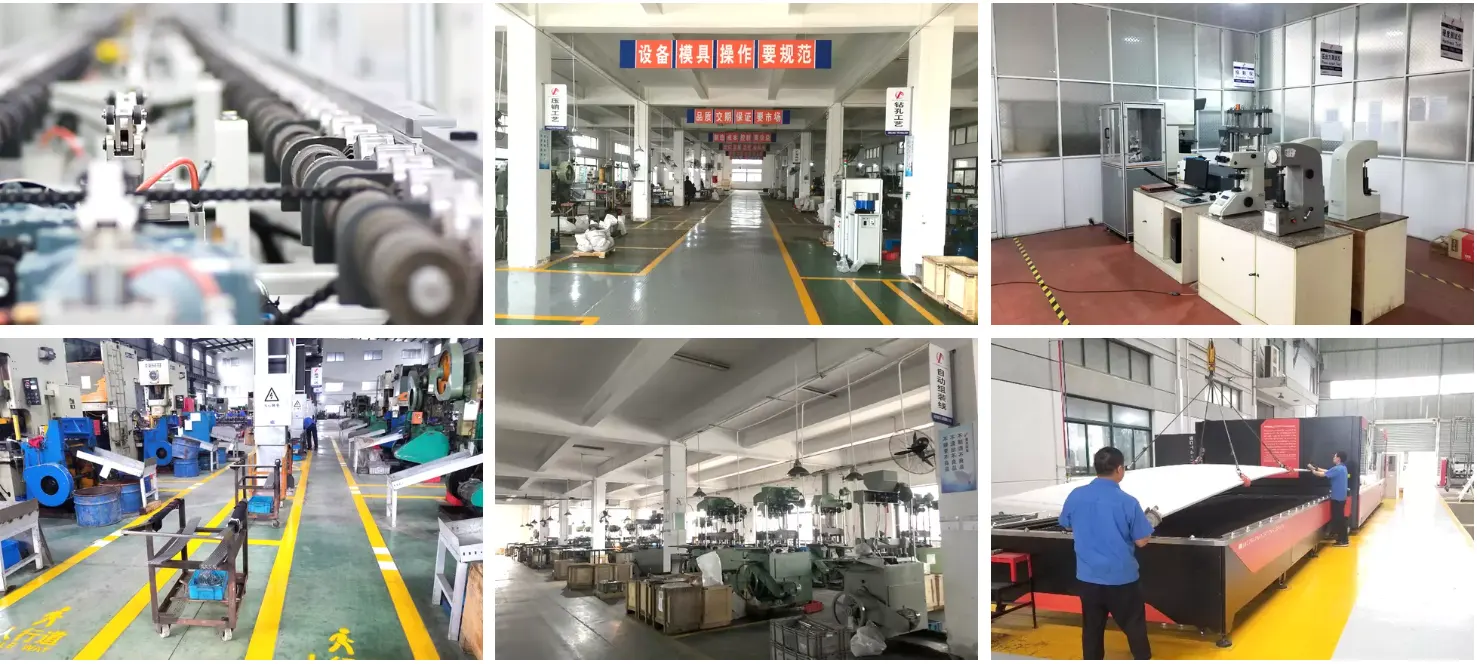
- **Advanced Technology:** Our state-of-the-art manufacturing facilities and advanced technologies ensure precision and consistency in every product.
- **Custom Solutions:** We offer customized gear solutions tailored to meet specific application requirements and performance standards.
- **Comprehensive Support:** Our dedicated support team provides ongoing assistance, from product selection to after-sales service, ensuring customer satisfaction.
- **Competitive Pricing:** We offer competitive pricing without compromising on quality, providing cost-effective solutions for our customers.
Q&A
- **What are the main advantages of plastic transmission gears over metal gears?** Plastic gears are lighter, quieter, more cost-effective, and corrosion-resistant compared to metal gears.
- **How do environmental factors affect the durability of plastic gears?** Environmental conditions such as temperature, humidity, and chemical exposure can impact the longevity of plastic gears, but high-performance polymers are designed to resist such conditions.
- **What materials are commonly used for plastic transmission gears?** Common materials include Nylon, Polyoxymethylene (POM), Polyetheretherketone (PEEK), and Acrylonitrile Butadiene Styrene (ABS).
- **How can I ensure I choose the right plastic gear for my application?** Consider factors such as load, speed, environmental conditions, material properties, and cost when selecting the appropriate gear.
- **What maintenance practices should be followed for plastic transmission gears?** Regular inspections, cleaning, appropriate lubrication, timely replacement of worn parts, and considering upgrades are essential for maintaining plastic gears.
Author: Dream