plastic transmission gear material selection

Plastic Transmission Gear Material Selection
Introduction to Plastic Transmission Gear Material Selection
Selecting the right material for plastic transmission gears is crucial for achieving optimal performance and longevity. Various factors such as load capacity, wear resistance, and environmental conditions must be considered to make an informed choice. In this article, we will delve into the important aspects of plastic transmission gear material selection, exploring different materials and their properties, applications in various industries, and future trends.
Key Factors in Material Selection
When selecting materials for plastic transmission gears, several key factors must be evaluated. These include mechanical properties, thermal stability, chemical resistance, and cost-effectiveness. Additionally, the specific requirements of the application, such as load-bearing capacity, speed, and environmental conditions, play a significant role.
Mechanical Properties
The mechanical properties of the plastic material determine the gear’s ability to withstand stress and strain. High-strength, high-modulus materials like POM (Polyoxymethylene) and PA (Polyamide) are commonly used due to their excellent load-bearing capabilities and resilience against wear and fatigue.
Thermal Stability
Thermal stability is vital for applications involving high operating temperatures. Materials such as PEEK (Polyetheretherketone) offer superior performance in high-temperature environments, maintaining their structural integrity and mechanical properties over a wide temperature range.
Chemical Resistance
Gears exposed to harsh chemicals or solvents require materials with excellent chemical resistance. For instance, PTFE (Polytetrafluoroethylene) and certain grades of PA exhibit exceptional resistance to a broad spectrum of chemicals, ensuring durability in corrosive environments.
Cost-Effectiveness
While high-performance materials offer numerous benefits, cost considerations cannot be ignored. Balancing performance and cost is critical. Materials like POM and PA provide a good balance, offering robust performance at a reasonable price, making them popular choices for many applications.
Plastic Transmission Gear Material Selection and Plastic Transmission Gear
The selection of plastic transmission gear material is intricately linked to the performance of the gear itself. The right material ensures the gear can handle the demands of the application while maintaining efficiency and longevity. When selecting materials, it is essential to consider the gear’s operational environment, load requirements, and desired lifespan.

Performance Characteristics of Plastic Transmission Gears
- Durability: Plastic gears are known for their high wear resistance, making them suitable for long-term use in demanding applications.
- Lightweight: Compared to metal gears, plastic gears are significantly lighter, reducing the overall weight of the machinery and improving energy efficiency.
- Noise Reduction: Plastic gears operate more quietly than metal counterparts, reducing noise pollution in industrial environments.
- Corrosion Resistance: Plastic gears are impervious to rust and corrosion, prolonging their operational life in harsh environments.
- Low Maintenance: Due to their inherent self-lubricating properties, plastic gears require minimal maintenance, reducing operational downtime and costs.
Types of Plastic Transmission Gears and Their Properties
Plastic transmission gears come in various types, each with unique properties suited for specific applications. Common materials include:
- POM (Polyoxymethylene): Known for its high mechanical strength and low friction, POM is ideal for precision gears.
- PA (Polyamide): Offers excellent wear resistance and toughness, making it suitable for high-load applications.
- PEEK (Polyetheretherketone): Provides exceptional thermal stability and chemical resistance, perfect for high-temperature environments.
- PTFE (Polytetrafluoroethylene): Known for its superb chemical resistance and low friction, PTFE is ideal for applications involving harsh chemicals.
- ABS (Acrylonitrile Butadiene Styrene): Offers good impact resistance and toughness, making it suitable for consumer electronics and automotive applications.

Applications of Plastic Transmission Gears in Various Industries
- Automotive Manufacturing: Plastic gears are used in window regulators, mirror assemblies, and seat adjusters, contributing to weight reduction and improved fuel efficiency.
- Aerospace: In the aerospace sector, plastic gears are used in actuators and control systems, where weight and noise reduction are critical.
- Medical Equipment: Plastic gears are integral to medical devices such as infusion pumps and diagnostic equipment, offering precision and reliability.
- Energy Sector: Plastic gears are utilized in wind turbines and solar panel trackers, where they provide corrosion resistance and low maintenance.
- Consumer Electronics: In consumer electronics, plastic gears are found in printers, cameras, and household appliances, offering quiet operation and durability.
Future Trends and Opportunities in Plastic Transmission Gears
- Advanced Materials: Development of new polymer composites with enhanced properties will drive innovation in gear design and application.
- Sustainability: Increasing demand for eco-friendly materials will lead to the adoption of biodegradable and recyclable polymers in gear manufacturing.
- Miniaturization: As technology continues to advance, the demand for smaller, more precise gears will increase, driving advancements in micro-molding techniques.
- Smart Manufacturing: Integration of IoT and AI in manufacturing processes will enhance quality control and predictive maintenance, improving gear performance and lifespan.
- Customization: Growing demand for customized gears tailored to specific applications will drive the need for flexible and adaptive manufacturing processes.

How to Choose the Right Plastic Transmission Gear
Selecting the correct plastic transmission gear involves a thorough assessment of several factors. Here’s a guide:
- Define Requirements: Identify the specific requirements of the application, including load, speed, and environmental conditions.
- Material Selection: Choose a material that offers the necessary mechanical properties, thermal stability, and chemical resistance.
- Design Optimization: Optimize the design for maximum efficiency and durability, considering factors such as gear geometry and tooth profile.
- Supplier and After-Sales Service: Partner with a reputable supplier who offers comprehensive after-sales support and quality assurance.
- Cost-Effectiveness: Balance performance and cost to ensure a sustainable and economical solution.
- Quality Control: Implement stringent quality control measures to ensure the gears meet the required standards and specifications.

Maintenance of Plastic Transmission Gears
- Regular Inspections: Conduct periodic inspections to identify and address any signs of wear or damage.
- Cleaning and Corrosion Prevention: Keep the gears clean and apply anti-corrosion treatments if necessary.
- Lubrication and Servicing: Ensure proper lubrication to minimize friction and prevent wear.
- Replacement of Worn Parts: Replace any worn or damaged components promptly to prevent further damage.
- Upgrades and Improvements: Consider upgrading to higher-performance materials or designs to enhance gear performance and longevity.
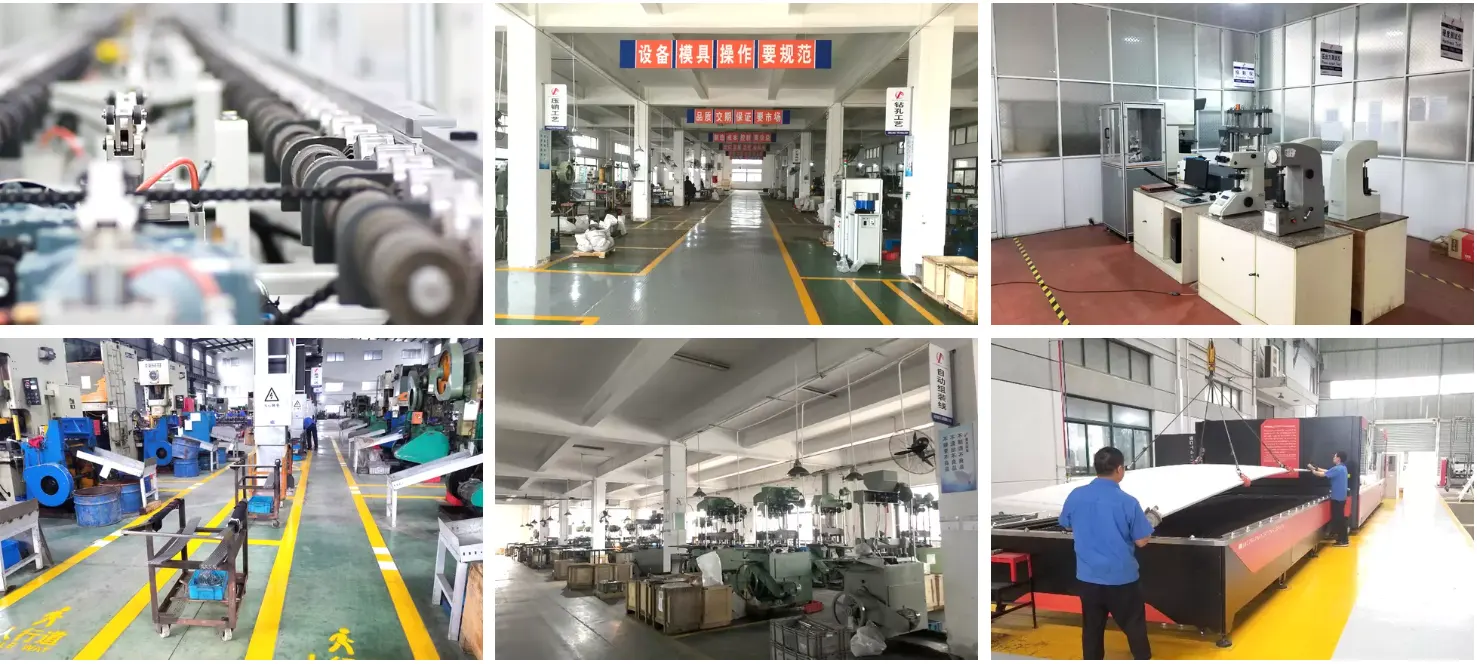
Why Choose Ever Power
At Ever Power, we specialize in the production and sale of high-quality plastic transmission gears. Here’s why you should choose us:
- Superior Quality: We use only the finest materials and state-of-the-art manufacturing techniques to ensure our gears meet the highest standards of quality and performance.
- Expertise: With years of experience in the industry, our team of experts can provide you with the best solutions tailored to your specific needs.
- Comprehensive Support: We offer extensive after-sales support, including maintenance services and technical assistance, ensuring your gears operate seamlessly.
- Competitive Pricing: Our cost-effective pricing model ensures you get the best value for your investment without compromising on quality.
- Innovation: We continuously invest in research and development to bring you the latest advancements in plastic gear technology, enhancing performance and durability.
Q&A
- Q: What are the main advantages of plastic transmission gears?
A: Plastic gears offer advantages such as lightweight, corrosion resistance, low noise operation, and minimal maintenance requirements. - Q: How do I choose the right material for my plastic gear?
A: Consider factors like load capacity, thermal stability, chemical resistance, and cost to select the appropriate material for your application. - Q: What industries commonly use plastic transmission gears?
A: Common industries include automotive, aerospace, medical equipment, energy, and consumer electronics. - Q: How can I ensure the longevity of my plastic gears?
A: Regular maintenance, proper lubrication, and timely replacement of worn parts are crucial for ensuring the longevity of plastic gears. - Q: Why should I choose Ever Power for my plastic gear needs?
A: Ever Power offers superior quality, expert support, competitive pricing, and innovative products, making us the ideal partner for your gear requirements.