pom gear failure modes

Pom Gear Failure Modes
Pom gear failure modes refer to the potential ways in which gears made of polyoxymethylene (POM), a type of plastic, can fail. These failure modes can be caused by a variety of factors, including excessive load, improper installation, inadequate lubrication, and material defects. Understanding the various failure modes associated with POM gears is crucial for ensuring the proper functioning of mechanical systems that depend on them.
Pom Gear Failure Modes and Informational Relationships
POM gears are commonly used in mechanical systems that require high precision and low noise levels. They are lightweight, corrosion-resistant, and can operate at high speeds while maintaining their dimensional stability. However, like any other mechanical component, POM gears are susceptible to failure.
One of the most common failure modes associated with POM gears is tooth wear. This occurs when the contact between the teeth of the gear and the mating gear is not properly distributed, leading to localized wear. Tooth wear can be caused by a number of factors, including misalignment, excessive load, inadequate lubrication, and material defects.
Another failure mode associated with POM gears is tooth breakage. This occurs when the stress on the gear teeth exceeds the material’s ultimate tensile strength, causing them to fracture. Tooth breakage can be caused by a variety of factors, including excessive load, improper installation, and material defects.

Additionally, fatigue is another common failure mode associated with POM gears. This occurs when the gear is subjected to repeated loading and unloading cycles, causing microscopic cracks to form and propagate in the material. Fatigue can be caused by a variety of factors, including inadequate design, excessive load, and improper material selection.
Pom Gear Performance Features
POM gears offer a range of performance features that make them ideal for use in various mechanical systems. These include:
- High dimensional stability, even in high-temperature environments.
- Low friction and wear, leading to longer service life.
- Excellent chemical resistance to acids, bases, and solvents.
- Low moisture absorption, preventing swelling and deformation.
- Good electrical properties, making them suitable for use in electrical systems.
Types and Characteristics of Pom Gear
POM gears come in various types, each with its own unique set of characteristics. Some of the most common types include:
- Spur gears: These are the most common type of gear and are used for transmitting power between parallel shafts.
- Bevel gears: These are used for transmitting power between non-parallel shafts.
- Worm gears: These are used for transmitting power between perpendicular shafts.
- Helical gears: These are similar to spur gears but have angled teeth, resulting in smoother and more efficient operation.
The choice of POM gear type will depend on a variety of factors, including the specific application requirements and the surrounding environmental conditions.

Pom Gear Applications in Various Industries
POM gears are used in a variety of industries, including:
- Electronic devices: POM gears are commonly used in printers, scanners, and other electronic devices that require low noise levels and high precision.
- Medical devices: POM gears are used in various medical devices, including blood analyzers and imaging equipment.
- Automotive industry: POM gears are used in various automotive components, including power windows, seat adjusters, and locking mechanisms.
- Industrial machinery: POM gears are used in various industrial machinery applications, including conveyor systems and packaging equipment.
- Home appliances: POM gears are used in various home appliances, including washing machines, dryers, and dishwashers.
Pom Gear Future Development and Opportunities
The future development of POM gears is closely tied to the evolution of the industries in which they are used. As mechanical systems become more advanced and complex, the demand for high-precision, low-noise components like POM gears is likely to increase. Additionally, advancements in material science and manufacturing technologies may lead to the development of new types of POM gears with even better performance characteristics.

Choosing the Right Pom Gear
Choosing the right POM gear for a specific application requires careful consideration of several factors, including:
- Clear identification of the application requirements.
- Selection of the appropriate material based on the specific application requirements and the surrounding environmental conditions.
- Optimization of the gear design to ensure the best possible performance under the given operating conditions.
- Selection of a reliable and experienced supplier that can provide high-quality products at a reasonable cost.
- Implementation of a comprehensive quality control process to ensure the consistent quality of the gears over time.

Pom Gear Maintenance
Maintaining POM gears is essential for ensuring their optimal performance and longevity. Some of the key maintenance activities that should be performed regularly include:
- Scheduling regular equipment inspections to identify potential problems before they can cause damage.
- Cleaning and corrosion prevention measures to prevent the build-up of debris that can interfere with the gear’s performance.
- Lubrication and other forms of regular maintenance to ensure the gears operate smoothly and efficiently.
- Replacement of worn or damaged parts, including gears and bearings.
- Continued optimization and upgrading of gear systems to keep pace with changing operating conditions and requirements.
Why Choose Us?
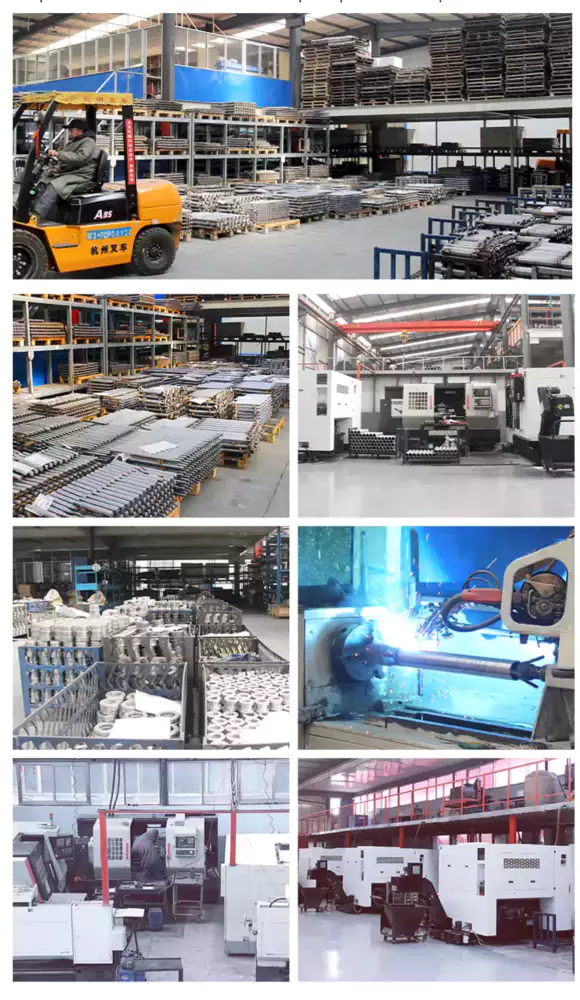
Our company specializes in the production and sale of high-quality POM gears that are designed to meet the needs of a wide range of mechanical systems. Our products are manufactured using the latest materials and technologies, ensuring optimal performance and longevity. Some of the key advantages of our products and services include:
- High-quality materials: Our gears are made from high-quality POM materials that are designed to meet the specific requirements of each application.
- Advanced manufacturing technology: We use advanced manufacturing technologies to ensure that our gears are manufactured to the highest standards of quality and precision.
- Experienced team: Our team of experts has years of industry experience and is dedicated to providing our customers with the best possible products and services.
- Exceptional customer service: We pride ourselves on providing exceptional customer service and support to our customers, from the initial consultation through to the final delivery of the products.
- Competitive pricing: We offer competitive pricing on all of our products and services, ensuring that our customers get the best possible value for their money.
By choosing us as your supplier of POM gears, you can be confident that you are getting the best possible products and services to meet your specific needs.
Q&A
- Q: What is the maximum operating temperature of POM gears?
- A: The maximum operating temperature of POM gears is typically around 120°C.
- Q: What is tooth wear, and how does it affect POM gears?
- A: Tooth wear occurs when the contact between the teeth of the gear and the mating gear is not properly distributed, leading to localized wear. This can result in reduced performance and premature failure of the gear.
- Q: What is the best way to prevent tooth breakage in POM gears?
- A: To prevent tooth breakage in POM gears, it is important to ensure that the gear is properly installed and operated within its design limits.
- Q: How do POM gears compare to metal gears in terms of performance?
- A: POM gears offer a number of advantages over metal gears, including lower weight, better corrosion resistance, and lower noise levels. However, they may not be suitable for applications with extremely high loads or temperatures.
- Q: What is the typical lead time for POM gears?
- A: The lead time for POM gears will depend on a variety of factors, including the specific requirements of the application and the availability of the necessary materials and manufacturing capacity.
Author: Dream