ring gear surface treatment

Ring Gear Surface Treatment
Ring gear surface treatment is a crucial process in ensuring the longevity and performance of ring gears in various industrial applications. It involves several techniques and methods to enhance the surface properties of the gears, making them more resistant to wear, corrosion, and other forms of degradation. This article will delve into the intricacies of ring gear surface treatment, its relationship with ring gears, and its significance in different industries.
Understanding Ring Gear Surface Treatment
Ring gear surface treatment encompasses a variety of processes aimed at improving the physical characteristics of the gear’s surface. These treatments can include hardening, coating, and finishing techniques that enhance the gear’s durability and performance. The choice of treatment depends on the specific requirements of the application and the materials used in the ring gear.
Types of Surface Treatments
There are several types of surface treatments available for ring gears, each offering unique benefits. Some common treatments include carburizing, nitriding, induction hardening, and various types of coatings like phosphate or chrome plating. Each treatment has its advantages and is selected based on the desired properties of the finished gear.
Carburizing
Carburizing is a heat treatment process that introduces carbon into the surface layer of the ring gear. This process increases the hardness and wear resistance of the gear, making it ideal for high-stress applications. The process involves heating the gear in a carbon-rich environment, allowing carbon to diffuse into the surface.
Nitriding
Nitriding is a surface hardening treatment that introduces nitrogen into the surface of the ring gear. This process creates a hard, wear-resistant layer without the need for quenching. Nitrided gears exhibit excellent fatigue strength and are often used in applications where high surface hardness is required.
Induction Hardening
Induction hardening involves heating the surface of the ring gear using an induction coil and then rapidly cooling it. This process creates a hard, wear-resistant surface while maintaining a tough, ductile core. Induction hardening is commonly used for gears that require high surface strength and durability.
Coating Techniques
Coating techniques like phosphate or chrome plating provide a protective layer on the surface of the ring gear. These coatings can enhance corrosion resistance, reduce friction, and improve overall performance. Selecting the right coating depends on the operational environment and specific performance requirements.
Relationship Between Ring Gear Surface Treatment and Ring Gears
Surface treatment and ring gears are intrinsically linked. The surface treatment enhances the performance characteristics of ring gears, making them more suitable for demanding applications. By improving properties such as hardness, wear resistance, and corrosion resistance, surface treatments ensure that ring gears can withstand the rigors of their operational environments.

Performance Characteristics of Ring Gears
Ring gears possess several performance characteristics that make them suitable for a wide range of applications. These include:
- High Load Capacity: Ring gears can handle significant loads, making them ideal for heavy-duty applications.
- Precision and Accuracy: Ring gears offer high precision and accuracy in motion transfer, ensuring smooth and reliable operation.
- Durability: With proper surface treatment, ring gears are highly durable and resistant to wear and tear.
- Corrosion Resistance: Coatings and treatments enhance the corrosion resistance of ring gears, extending their lifespan.
- Versatility: Ring gears are versatile and can be used in various industries, from automotive to aerospace.
Types of Ring Gears and Their Characteristics
Ring gears come in various types, each with unique characteristics suited for specific applications. These include:
Spur Gears
Spur gears have straight teeth and are used in applications requiring high precision and efficiency. They are easy to manufacture and maintain, making them a popular choice.
Helical Gears
Helical gears have angled teeth, providing smoother and quieter operation compared to spur gears. They are ideal for high-speed applications and can handle higher loads.
Bevel Gears
Bevel gears have conically shaped teeth and are used to transmit motion between intersecting shafts. They are commonly found in differential drives and various other applications.
Material Advantages
Different materials offer unique advantages for ring gears:
- Steel: Provides high strength and durability, making it ideal for heavy-duty applications.
- Alloys: Offer enhanced properties such as corrosion resistance and fatigue strength.
- Composites: Lightweight and strong, composites are used where weight reduction is crucial.

Applications of Ring Gears in Various Industries
Ring gears play a vital role in various industries due to their unique properties and capabilities. Their applications include:
Automotive Industry
Ring gears are essential in automotive transmissions and differentials, providing efficient power transfer and smooth operation.
Aerospace Industry
In aerospace, ring gears are used in jet engines and other critical components, where precision and reliability are paramount.
Industrial Equipment
Industrial machinery relies on ring gears for efficient motion transfer and high-load capacity, ensuring seamless operation in manufacturing processes.
Energy Sector
Ring gears are used in wind turbines and other energy-generating equipment, where durability and reliability are essential for continuous operation.
Military Applications
Military equipment, such as tanks and helicopters, use ring gears for their robustness and reliability in demanding environments.
Future Development Trends and Opportunities for Ring Gear Products
As technology advances, the development of ring gear products continues to evolve. Future trends and opportunities include:
- Advanced Materials: Utilizing advanced materials to enhance performance and reduce weight.
- Improved Manufacturing Techniques: Adopting new manufacturing processes for higher precision and efficiency.
- Enhanced Surface Treatments: Developing new surface treatments to further increase durability and performance.
- Customization: Offering customized ring gears tailored to specific applications and requirements.
- Sustainability: Focusing on sustainable practices and materials to reduce environmental impact.

How to Choose the Right Ring Gear
Selecting the correct ring gear involves considering several factors:
- Define Your Needs: Understand the specific requirements of your application, such as load capacity and operational environment.
- Material Selection: Choose the right material based on the desired properties and durability.
- Design Optimization: Ensure the gear design is optimized for performance and efficiency.
- Supplier and After-Sales Service: Select a reputable supplier who offers comprehensive after-sales support.
- Cost-Effectiveness: Balance cost with the quality and performance of the ring gear.
- Quality Control: Implement strict quality control measures to ensure the reliability and performance of the gear.

Maintenance of Ring Gears
Proper maintenance is crucial to ensure the longevity and performance of ring gears. Key maintenance practices include:
- Regular Inspections: Conduct routine inspections to detect wear and potential issues early.
- Cleaning and Corrosion Prevention: Keep the gears clean and apply anti-corrosion treatments as necessary.
- Lubrication: Regularly lubricate the gears to reduce friction and prevent wear.
- Replacing Worn Parts: Replace any worn or damaged components promptly to avoid further damage.
- Upgrades and Improvements: Consider upgrading to newer, more advanced gears when possible.
Why Choose Ever Power
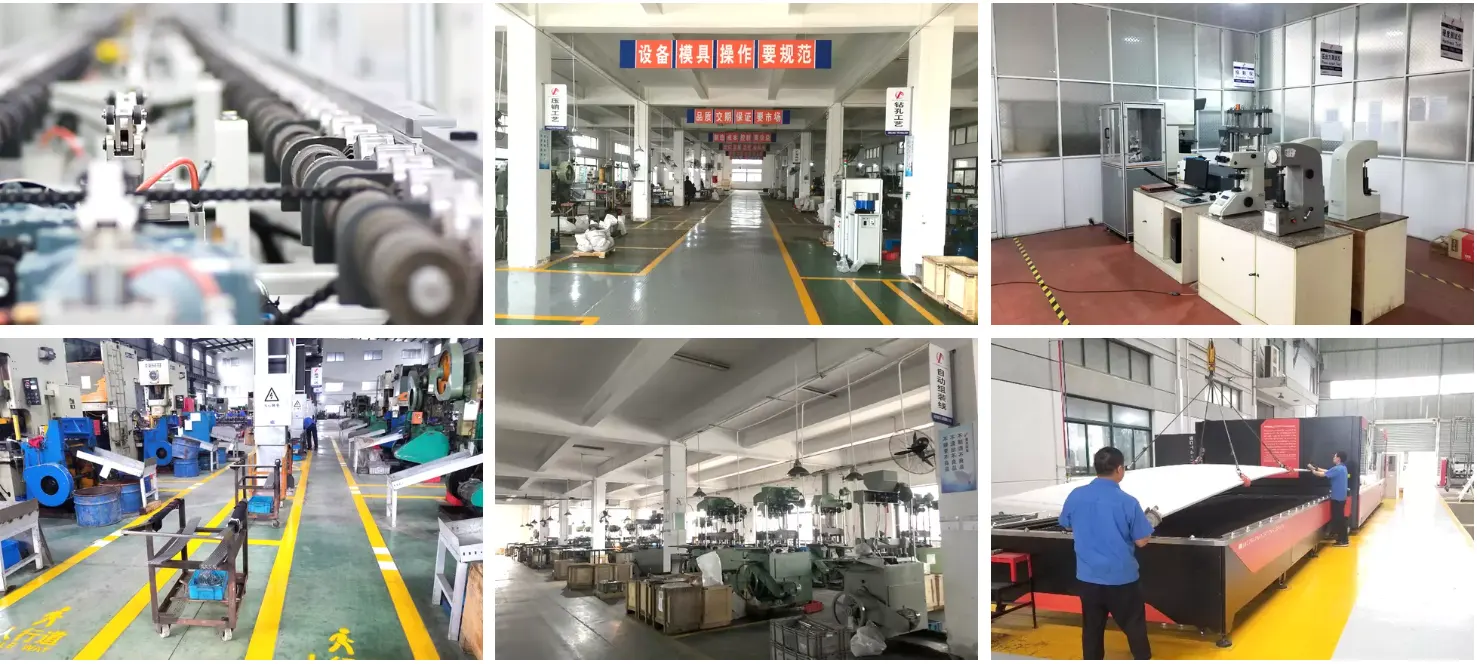
Ever Power is a leading manufacturer and supplier of high-quality ring gears. Here are five reasons why you should choose our products:
- Expertise: With years of experience in the industry, we offer unparalleled expertise and knowledge in ring gear manufacturing.
- Quality: Our products undergo rigorous quality control to ensure they meet the highest standards of performance and durability.
- Customization: We provide customized solutions tailored to your specific needs and applications.
- After-Sales Service: We offer comprehensive after-sales support to ensure customer satisfaction and success.
- Innovation: We continually invest in research and development to bring you the latest advancements in ring gear technology.
Q&A
Q1: What is the purpose of ring gear surface treatment?
A1: Ring gear surface treatment enhances the gears’ durability, wear resistance, and corrosion resistance, extending their lifespan and performance.
Q2: What are the common types of surface treatments for ring gears?
A2: Common types include carburizing, nitriding, induction hardening, and various coatings like phosphate or chrome plating.
Q3: How does nitriding improve ring gear performance?
A3: Nitriding introduces nitrogen into the surface, creating a hard, wear-resistant layer that enhances fatigue strength without the need for quenching.
Q4: What factors should be considered when choosing a ring gear?
A4: Consider factors such as specific application requirements, material selection, design optimization, supplier reputation, cost-effectiveness, and quality control measures.
Q5: How can proper maintenance extend the life of ring gears?
A5: Proper maintenance, including regular inspections, cleaning, lubrication, and timely replacement of worn parts, ensures optimal performance and longevity of ring gears.
Author: Dream