spiral gear backlash

Spiral Gear Backlash and Its Relationship with Spiral Gear
Spiral gears are known for their smooth and quiet operation, making them ideal for a wide range of applications. However, like any other gear type, spiral gears are not without their challenges. One of these challenges is backlash, which can have a significant impact on the overall performance of the gear system.
Spiral Gear Backlash
Backlash is the amount of play or clearance between the teeth of two mating gears. In spiral gears, backlash can occur due to several factors, including manufacturing tolerances, misalignment, and thermal expansion.
Excessive backlash in a gear system can result in a number of issues, including noise, reduced efficiency, and increased wear and tear. Therefore, it is important to minimize backlash in a gear system wherever possible.
How to Minimize Backlash
There are several ways to minimize backlash in a gear system, including:
- Using high-precision manufacturing techniques to ensure tight tolerances
- Ensuring proper alignment of gears
- Using materials with low thermal expansion coefficients
- Using preloaded bearings to reduce clearance between mating parts
By minimizing backlash, the overall performance and lifespan of a gear system can be significantly improved.
The Relationship Between Spiral Gear Backlash and Spiral Gear
Spiral gears are a type of bevel gear that features curved teeth rather than straight teeth. This design helps to reduce noise and vibration while increasing load-carrying capacity.
However, spiral gears are not immune to backlash. In fact, due to the curved shape of the teeth, spiral gears can be more prone to backlash than straight-toothed bevel gears.
That being said, backlash can be minimized in spiral gears by using the same techniques mentioned earlier. By minimizing backlash, the benefits of spiral gears can be fully realized.

Spiral Gear Performance Characteristics
Spiral gears offer a number of performance benefits over other gear types, including:
- Smooth and quiet operation
- Increased load-carrying capacity
- Improved efficiency and reduced power loss
- Reduced wear and tear
- Long lifespan
These characteristics make spiral gears ideal for a wide range of applications.
Types and Characteristics of Spiral Gears
There are several types of spiral gears, including:
- Straight Bevel
- Zero Bevel
- Curved Bevel
- Skew Bevel
Each type of spiral gear has its own unique characteristics, depending on the application and specific requirements.
In general, spiral gears can be made from a variety of materials, including steel, cast iron, and bronze. Each material has its own advantages and disadvantages, and the choice of material depends on factors such as cost, strength, and durability.

Applications of Spiral Gears
Spiral gears are used in a wide range of industries and applications, including:
- Automotive industry – used in transmissions, differentials, and powertrains
- Electronics industry – used in printers, copiers, and other machinery
- Construction equipment – used in cranes, excavators, and other heavy machinery
- Agricultural machinery – used in tractors, combines, and other farming equipment
- Railway industry – used in locomotives and other rail equipment
The versatility of spiral gears has made them an invaluable component in many different applications.
The Future of Spiral Gears
As technology advances and new applications for spiral gears are discovered, the demand for these high-performance gears is only expected to increase. In particular, the automotive and electronics industries are expected to drive much of the growth in the spiral gear market.
To stay ahead of the competition, gear manufacturers will need to focus on innovation, quality, and customer service. By investing in new technologies and processes, manufacturers can create gears that offer even greater performance and reliability.

How to Choose the Right Spiral Gear
Choosing the right spiral gear for a specific application is critical to ensuring optimal performance and lifespan. Here are a few factors to consider when selecting a spiral gear:
- Clearly define the requirements of the application, such as load, speed, and torque
- Choose the appropriate material based on factors such as strength and cost
- Optimize the design of the gear to minimize backlash and maximize efficiency
- Select a reputable supplier with a proven track record of quality and reliability
- Consider the total cost of ownership, including maintenance and replacement costs
How to Maintain Spiral Gears
Proper maintenance is essential to ensuring the continued performance and lifespan of spiral gears. Here are a few tips for maintaining spiral gears:
- Regularly inspect the equipment for signs of wear and tear, misalignment, or other issues
- Clean and protect the gears from corrosion and other forms of damage
- Lubricate the gears as recommended by the manufacturer
- Replace any worn or damaged parts as soon as possible to prevent further damage
- Consider upgrades or modifications to improve the performance or efficiency of the gear system
Why Choose Us
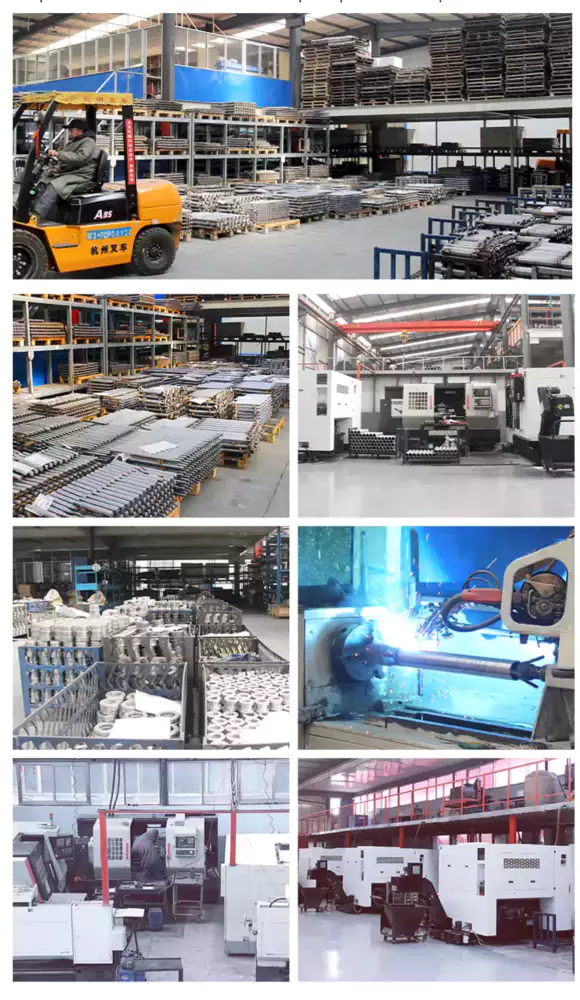
Our company specializes in the design, manufacture, and sale of high-quality spiral gears for a wide range of applications. Our products are known for their durability, efficiency, and reliability, making them the ideal choice for customers who demand the best.
Here are a few reasons to choose our products and services:
- High-quality materials and manufacturing processes for optimal performance and reliability
- Customized solutions to meet the specific needs of each customer
- Expertise and experience in the field of spiral gears
- Exceptional customer service and support
- Competitive pricing and cost-effective solutions
Q&A
1. What is backlash in a gear system?
Backlash is the amount of play or clearance between the teeth of two mating gears.
2. How can backlash be minimized in a gear system?
Backlash can be minimized by using high-precision manufacturing techniques, ensuring proper alignment of gears, using materials with low thermal expansion coefficients, and using preloaded bearings to reduce clearance between mating parts.
3. What are the advantages of spiral gears?
Spiral gears offer smooth and quiet operation, increased load-carrying capacity, improved efficiency and reduced power loss, reduced wear and tear, and a long lifespan.
4. What are some common applications of spiral gears?
Spiral gears are used in a wide range of industries and applications, including the automotive industry, electronics industry, construction equipment, agricultural machinery, and railway industry.
5. What factors should be considered when selecting a spiral gear?
Factors to consider when selecting a spiral gear include load, speed, and torque requirements, material selection, gear design optimization, supplier reputation, and total cost of ownership.
Author: Dream