spiral gear installation guide

Spiral Gear Installation Guide
Introduction
Spiral gear installation is a crucial process in ensuring the optimal performance of spiral gears. The correct installation of spiral gears is essential for their smooth operation and longevity. In this guide, we will provide a detailed step-by-step procedure for installing spiral gears, along with important considerations and best practices.
Why Spiral Gear Installation Guide Matters
Proper installation of spiral gears is vital to achieve optimal gear performance and minimize the risk of premature failure. The spiral gear installation guide serves as a comprehensive resource to ensure accurate and efficient installation, reducing downtime and maintenance costs.
Performance Characteristics of Spiral Gears
1. High Load Capacity: Spiral gears are designed to handle heavy loads and transmit power efficiently, making them suitable for demanding applications.
2. Smooth and Quiet Operation: The unique tooth profile of spiral gears enables smooth and quiet gear engagement, minimizing noise and vibration.
3. Excellent Efficiency: Spiral gears have high gear mesh efficiency, resulting in minimal power loss during transmission.
4. Strong Durability: The advanced manufacturing techniques and materials used in spiral gears contribute to their exceptional durability and long service life.
5. Enhanced Lubrication: The spiral tooth profile provides better lubrication distribution, reducing wear and extending gear life.
Types and Advantages of Spiral Gears
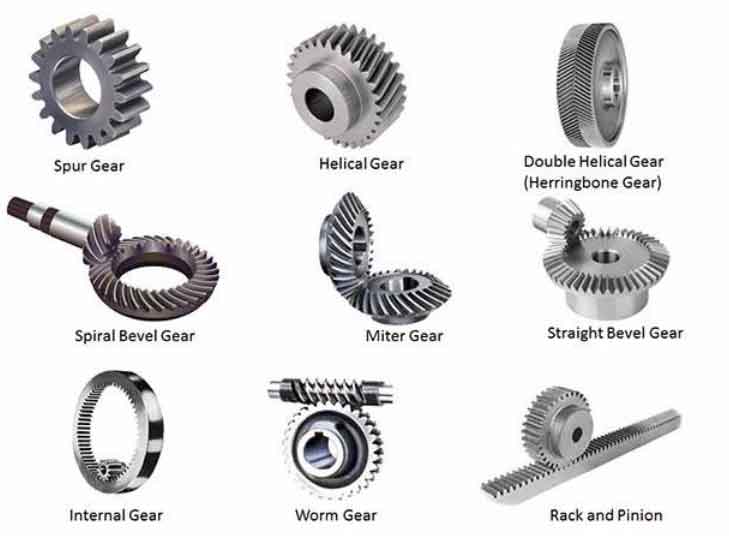
There are various types of spiral gears, including helical gears and double helical gears. Each type offers specific advantages depending on the application requirements. Spiral gears can be made from different materials, such as steel, cast iron, and bronze. The choice of material depends on factors like load capacity, operating conditions, and cost considerations.
Applications of Spiral Gears
Spiral gears find extensive applications in various industries, including:
1. Automotive Industry: Spiral gears are widely used in transmissions, differential gears, and steering systems in automobiles for their high load-bearing capabilities and smooth operation.
2. Electronic Products: Spiral gears are employed in printers, photocopiers, and other office equipment for their precise motion control and quiet operation.
3. Construction Equipment: Spiral gears are utilized in heavy machinery like cranes and excavators for their ability to handle heavy loads and provide reliable power transmission.
4. Agricultural Machinery: Spiral gears are essential components in agricultural equipment such as tractors and harvesters, ensuring efficient power transfer for various farming operations.
5. Railway Industry: Spiral gears are integral to locomotives and rolling stock for their high torque transmission and durability, ensuring safe and reliable train operations.
Future Trends and Opportunities
The spiral gear industry is poised for significant growth in the coming years. The increasing demand for advanced gearing solutions in various sectors, including automotive, aerospace, and robotics, presents numerous opportunities for innovation and expansion. To capitalize on these trends, companies should focus on research and development, investment in new technologies, and collaboration with industry partners.
Choosing the Right Spiral Gear
Selecting the appropriate spiral gear involves several considerations:
1. Clearly Define Requirements: Determine the specific gear specifications, such as size, load capacity, speed, and operating conditions, to meet the application requirements.
2. Material Selection: Choose the right material based on factors like load capacity, wear resistance, and cost-effectiveness.
3. Design Optimization: Optimize the gear design to ensure efficient power transmission, minimize noise, and enhance gear performance.
4. Supplier and After-Sales Service: Partner with reliable suppliers offering high-quality products and excellent after-sales support.
5. Cost-Effectiveness and Quality Control: Evaluate the overall cost-effectiveness and quality control measures to ensure long-term reliability and customer satisfaction.
Maintenance of Spiral Gears
To maintain the performance and longevity of spiral gears, follow these maintenance practices:
1. Regular Equipment Inspection: Perform routine inspections to identify any signs of wear, misalignment, or damage.
2. Cleaning and Anti-Corrosion: Keep the gears clean and apply suitable anti-corrosion measures to prevent rust and deterioration.
3. Lubrication and Maintenance: Ensure proper lubrication of gears using recommended lubricants and perform regular maintenance tasks as per the manufacturer’s guidelines.
4. Replacement of Worn Parts: Promptly replace any worn or damaged parts to prevent further damage and maintain optimal gear performance.
5. Improvements and Upgrades: Continuously explore opportunities for gear improvements and upgrades to enhance performance and efficiency.
Why Choose Us
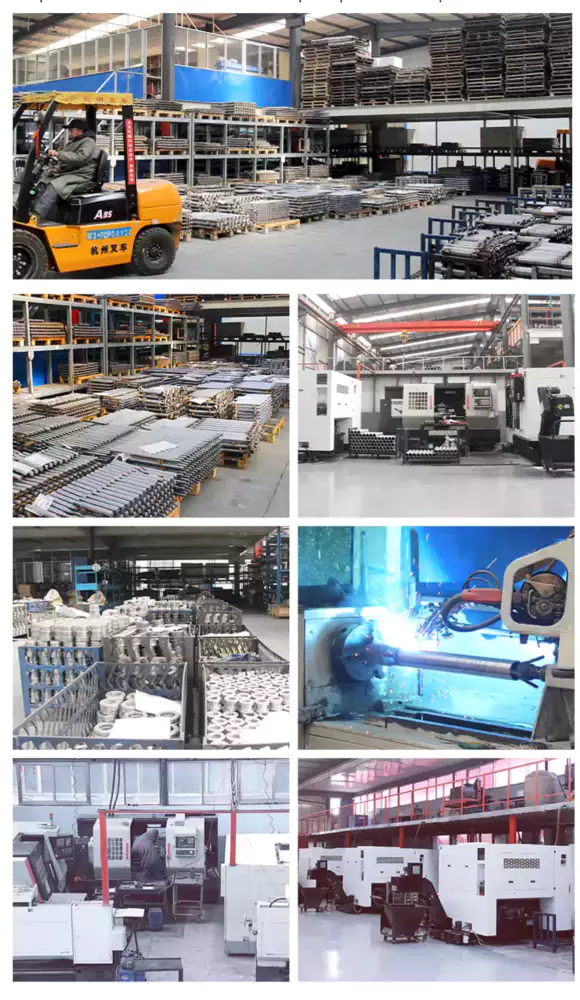
We are a professional manufacturer and supplier of spiral gears, specializing in delivering high-quality products and exceptional customer service. Here are five reasons to choose our company:
1. Extensive Industry Experience: With over 20 years of experience, we have developed a deep understanding of spiral gear requirements across various industries.
2. Advanced Manufacturing Techniques: Our state-of-the-art manufacturing facilities enable us to produce spiral gears with precision and consistency.
3. Customization Capabilities: We offer tailored solutions to meet specific customer requirements, ensuring a perfect fit for their applications.
4. Stringent Quality Control: Our rigorous quality control measures ensure that each spiral gear meets the highest standards of performance and reliability.
5. Reliable After-Sales Support: We provide excellent after-sales service, including technical assistance, troubleshooting, and prompt response to customer queries.
Q&A
1. Q: Can spiral gears be used in high-speed applications?
A: Yes, spiral gears can be designed for high-speed applications by considering factors like gear geometry, material selection, and lubrication requirements.
2. Q: What are the advantages of using spiral gears over other types of gears?
A: Spiral gears offer benefits such as higher load capacity, smoother operation, improved efficiency, and enhanced durability compared to other gear types.
3. Q: How can I prevent gear failure in spiral gears?
A: Proper installation, regular maintenance, and adherence to recommended operating conditions are key to preventing gear failure in spiral gears.
4. Q: Can spiral gears be used in harsh environments?
A: Yes, spiral gears can be manufactured from materials with excellent corrosion resistance, making them suitable for harsh operating conditions.
5. Q: Are spiral gears suitable for precision applications?
A: Yes, spiral gears can provide precise motion control and are often used in applications that require accurate positioning and smooth operation.
Author: Dream