spiral gear manufacturing process

Spiral Gear Manufacturing Process and Its Applications
Spiral gear is a type of gear that has a curved tooth shape, which allows it to transmit force and motion smoothly and quietly. In this article, we will discuss the manufacturing process of spiral gears, its relationship with informational technology, its types and characteristics, and its applications in various industries.
Manufacturing Process of Spiral Gear
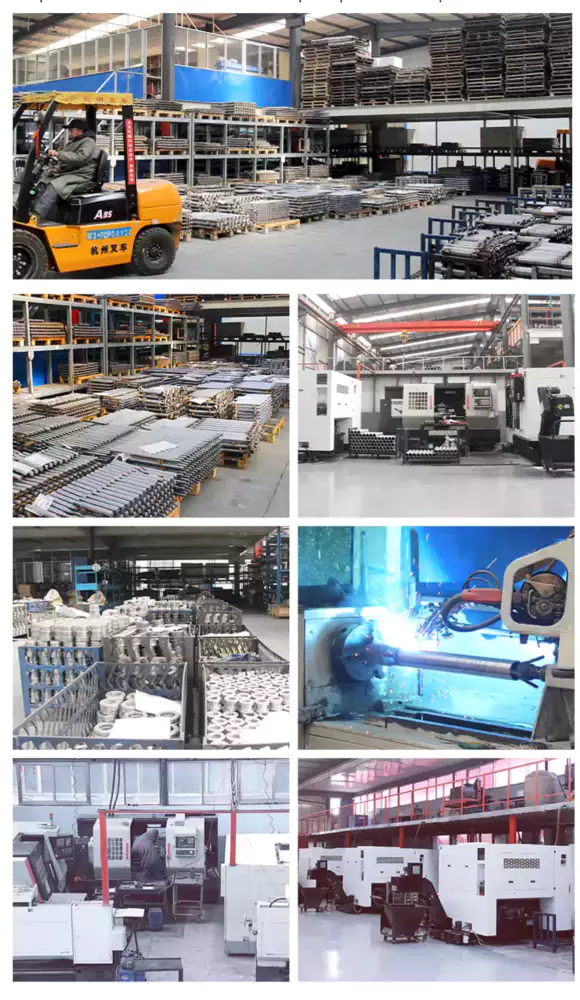
The manufacturing process of spiral gears involves several steps, which are as follows:
Blanking
The first step is to blank the gear, which involves cutting the gear from the raw material. The raw material can be any metal that is suitable for gear manufacturing, such as steel, brass, or aluminum.
Turning and Facing
The next step is turning and facing, which involves cutting the outer diameter of the gear and facing the ends of the gear to ensure that they are parallel to each other.
Teeth Cutting
The third step is teeth cutting, which involves cutting the gear teeth into the blank. This can be done using a hobbing machine, a shaper machine, or a milling machine.
Heat Treatment
The fourth step is heat treatment, which involves exposing the gear to high temperatures to improve its strength and durability. This can be done using various methods, such as quenching, tempering, or carburizing.
Finishing
The final step is finishing, which involves grinding or honing the gear teeth to ensure that they are smooth and have the correct shape and dimensions.

Relationship between Spiral Gear Manufacturing Process and Informational Technology
The manufacturing process of spiral gears has been greatly influenced by informational technology. With the advent of computer-aided design (CAD) and computer-aided manufacturing (CAM) software, the design and manufacturing of spiral gears have become more precise and efficient. CAD software allows engineers to design the gear teeth with greater accuracy, while CAM software enables manufacturers to program machines to cut the teeth with greater precision. This has led to an improvement in the quality and consistency of spiral gears, as well as a reduction in the time and cost of manufacturing.
Characteristics of Spiral Gear
Spiral gears have several characteristics that make them suitable for various applications. These characteristics include:
Smooth and Quiet Operation
Due to the curved tooth shape of spiral gears, they operate smoothly and quietly, making them suitable for applications where noise reduction is important.
High Load Capacity
Spiral gears have a high load capacity, which means they can transmit large amounts of force and torque without breaking or wearing out quickly.
High Efficiency
Spiral gears have a high efficiency, which means they can transmit force and motion with minimal power loss.
Wide Range of Sizes and Ratios
Spiral gears are available in a wide range of sizes and ratios, which makes them suitable for various applications.
Can Operate at High Speeds
Spiral gears can operate at high speeds without generating excessive heat or wearing out quickly, making them suitable for high-speed applications.

Types of Spiral Gear
There are several types of spiral gears, which are as follows:
Straight-Cut Spiral Gear
A straight-cut spiral gear has teeth that are cut at an angle to the axis of the gear. This type of gear is suitable for applications where noise reduction is not important, such as in heavy machinery.
Helix Angle Spiral Gear
A helix angle spiral gear has teeth that are cut at an angle to the axis of the gear and at an angle to the face of the gear. This type of gear is suitable for applications where noise reduction is important, such as in automotive transmissions.
Double Helix Spiral Gear
A double helix spiral gear has two sets of teeth that are cut in opposite directions. This type of gear is suitable for applications where a high load capacity and smooth operation are important, such as in marine propulsion systems.
Crossed Helix Spiral Gear
A crossed helix spiral gear has teeth that are cut at an angle to the axis of the gear and at an angle to each other. This type of gear is suitable for applications where a high load capacity and smooth operation are important, such as in aircraft engines.
The choice of spiral gear depends on the application, as each type has its own advantages and disadvantages.
Applications of Spiral Gear
Spiral gears have a wide range of applications in various industries, such as:
Automotive Industry
Spiral gears are used in automotive transmissions, differentials, and steering systems due to their smooth operation and high load capacity.
Electronic Products
Spiral gears are used in electronic products, such as printers, photocopiers, and scanners, due to their quiet operation and high precision.
Building Equipment
Spiral gears are used in building equipment, such as cranes and elevators, due to their high load capacity and smooth operation.
Agricultural Machinery
Spiral gears are used in agricultural machinery, such as tractors and harvesters, due to their high load capacity and ability to operate in harsh environments.
Railway Industry
Spiral gears are used in railway industry, such as locomotives, due to their high load capacity and smooth operation.
Future Development and Opportunities of Spiral Gear
The future development of spiral gears is promising, as they are in high demand in various industries. Some of the opportunities for spiral gear development include:
Miniaturization
With the increasing demand for smaller and lighter equipment, the development of miniaturized spiral gears is becoming more important.
Material Development
The development of new materials, such as composites and nanomaterials, can improve the strength and durability of spiral gears.
Automation
The automation of the manufacturing process can improve the efficiency and consistency of spiral gear production.
How to Choose the Right Spiral Gear
Choosing the right spiral gear involves considering several factors, which are as follows:
Clarify Requirements
Before choosing a spiral gear, it is important to clarify the requirements of the application, such as the load capacity, speed, and noise level.
Material Selection
The choice of material depends on the requirements of the application, as different materials have different strengths and properties.
Design Optimization
Optimizing the design of the spiral gear can improve its efficiency and durability, as well as reduce its noise level.
Supplier and After-Sales Service
Choosing a reliable supplier that offers good after-sales service is important to ensure the quality and reliability of the spiral gear.
Cost Effectiveness
Choosing a spiral gear that offers good value for money is important to ensure that the application is cost-effective.
Quality Control
Ensuring that the spiral gear meets the required quality standards is important to ensure its reliability and durability.

How to Maintain Spiral Gear
Maintaining spiral gear involves considering several factors, which are as follows:
Equipment Regular Inspection
Regular inspection of the equipment can help identify any issues with the spiral gear, such as wear and tear or misalignment.
Cleaning and Corrosion Protection
Cleaning and applying a coating to protect against corrosion can help prolong the life of the spiral gear.
Lubrication and Maintenance
Proper lubrication and maintenance of the spiral gear can help ensure its smooth operation and prevent wear and tear.
Replacement of Worn Components
Replacing worn components, such as bearings or seals, can help prolong the life of the spiral gear.
Improvement and Upgrades
Improving and upgrading the spiral gear can help improve its performance and efficiency.
Why Choose Us
Our company specializes in the production and sale of high-quality spiral gears that meet the requirements of various applications. Our products have the following advantages:
High Load Capacity
Our spiral gears have a high load capacity, which makes them suitable for applications that require high force and torque transmission.
Smooth and Quiet Operation
Our spiral gears operate smoothly and quietly, making them suitable for applications where noise reduction is important.
Wide Range of Sizes and Ratios
Our spiral gears are available in a wide range of sizes and ratios, which makes them suitable for various applications.
Customization
We offer customization services, where we can design and manufacture spiral gears to meet the specific requirements of our customers.
Reliable Quality
Our spiral gears are manufactured using high-quality materials and undergo rigorous quality control to ensure their reliability and durability.
Q&A
1. What is the difference between spiral gear and straight-cut gear?
Spiral gear has a curved tooth shape, while straight-cut gear has a straight tooth shape. Spiral gears operate smoothly and quietly, while straight-cut gears are more suitable for applications where noise reduction is not important.
2. What are the advantages of using spiral gears in automotive transmissions?
Spiral gears have a high load capacity, operate smoothly and quietly, and can transmit force and motion with high efficiency, making them suitable for use in automotive transmissions.
3. How can spiral gears be maintained?
Spiral gears can be maintained by regular inspection, cleaning and corrosion protection, lubrication and maintenance, replacement of worn components, and improvement and upgrades.
4. What are the opportunities for spiral gear development?
The opportunities for spiral gear development include miniaturization, material development, and automation.
5. What are the advantages of choosing our company for spiral gear?
Our company offers high-quality spiral gears with a high load capacity, smooth and quiet operation, a wide range of sizes and ratios, customization, and reliable quality.
Author: Dream