spiral gear production methods

Spiral Gear Production Methods
Introduction
In this article, we will explore the production methods of spiral gears and their relationship to spiral gear performance.
Production Methods
Spiral gears are manufactured using various production methods, including:
- Casting: The casting method involves pouring molten metal into a mold to create the desired gear shape.
- Machining: Machining methods, such as milling and turning, are used to remove material and shape the gear.
- Forging: Forging involves the shaping of the gear through the application of pressure and heat to a metal billet.
- Injection Molding: This method is used for producing plastic spiral gears by injecting molten plastic into a mold.
Relationship to Spiral Gear Performance
The production method used for spiral gears has a significant impact on their performance. The choice of production method affects factors such as gear strength, durability, and precision.
Spiral Gear Performance Characteristics
Spiral gears possess several performance characteristics:
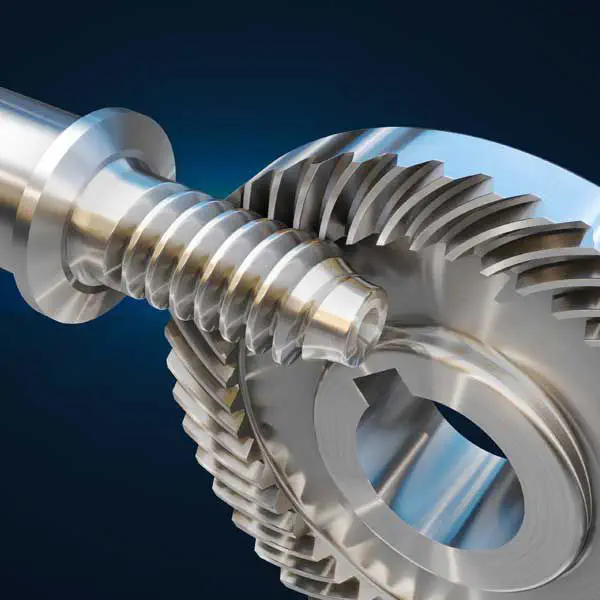
- High Load Capacity: Spiral gears are known for their ability to handle heavy loads.
- Smooth Operation: The unique tooth design of spiral gears ensures smooth and quiet operation.
- High Efficiency: Spiral gears have high transmission efficiency, minimizing energy loss.
- Shock Absorption: They can absorb shocks and vibrations, reducing wear and tear.
- Long Service Life: Spiral gears are known for their durability and long-lasting performance.
Types of Spiral Gears
Spiral gears come in various types, including:
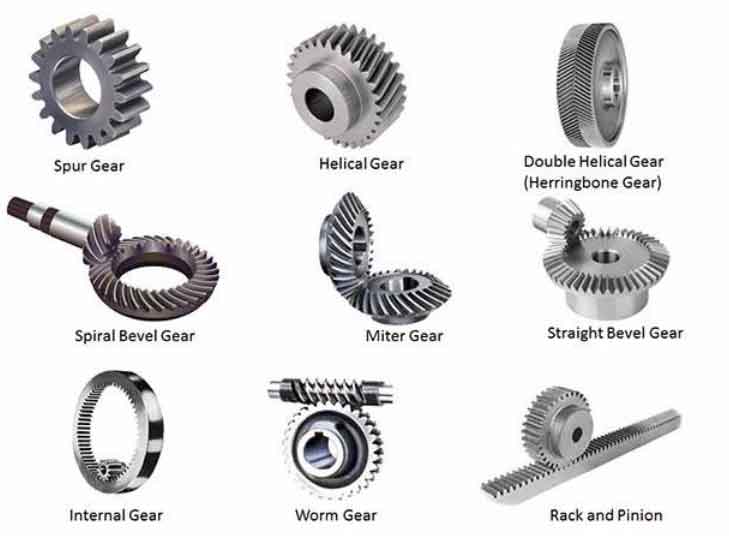
- Helical Gears: These gears have angled teeth that gradually engage, resulting in smooth operation.
- Double Helical Gears: Also known as herringbone gears, they have teeth on both sides, canceling out axial forces.
- Skew Gears: Skew gears have teeth that are not parallel to the gear axis, allowing for unique motion transmission.
Each type of spiral gear has its advantages and is suitable for different applications.
Applications in Different Industries
Spiral gears find applications in various industries, including:
- Automotive: Spiral gears are used in automobile transmissions for efficient power transfer.
- Electronics: They are utilized in precision electronic devices for smooth and reliable operation.
- Construction Equipment: Spiral gears are essential components in heavy machinery used in construction projects.
- Agricultural Machinery: They play a crucial role in agricultural equipment for efficient farming operations.
- Railway Industry: Spiral gears are used in locomotives and train systems for reliable and safe transportation.
Future Trends and Opportunities
Spiral gear products are expected to witness significant growth and opportunities in the future. Some potential trends and opportunities include:
- Advancements in Gear Materials: The development of new materials with enhanced strength and durability.
- Industry 4.0 Integration: Integration of spiral gears in smart manufacturing systems for increased efficiency.
- Miniaturization: The demand for smaller and more compact spiral gears for various applications.
- Customization: The ability to customize spiral gears to meet specific customer requirements.
- Increased Automation: The automation of gear production processes for higher productivity.
Choosing the Right Spiral Gear
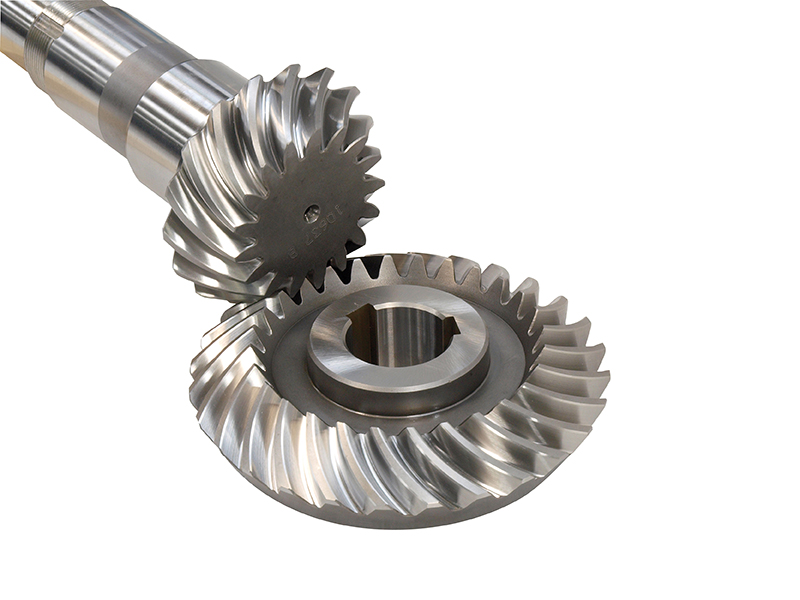
Selecting the correct spiral gear involves considering several factors:
- Clear Requirements: Clearly define the gear requirements, such as torque, speed, and load capacity.
- Material Selection: Choose the appropriate material based on the application’s demands for strength and durability.
- Design Optimization: Optimize the gear design to ensure smooth operation and minimal noise.
- Supplier and After-Sales Service: Select a reliable gear supplier that offers excellent support and after-sales service.
- Cost-Effectiveness: Consider the overall cost-effectiveness of the gear, including its lifespan and maintenance requirements.
- Quality Control: Ensure the gear undergoes rigorous quality control to meet industry standards.
Maintenance of Spiral Gears
Proper maintenance of spiral gears is essential for their longevity. Maintenance tasks include:
- Regular Equipment Inspection: Perform routine inspections to identify any potential issues or wear.
- Cleaning and Corrosion Prevention: Keep the gears clean and apply suitable corrosion prevention measures.
- Lubrication and Lubricant Selection: Use appropriate lubricants to reduce friction and ensure smooth operation.
- Replacement of Worn Components: Replace any worn or damaged gear parts to maintain optimal performance.
- Improvement and Upgrades: Continuously seek ways to improve gear performance and consider upgrading when necessary.
Why Choose Us?
Choose our company for your spiral gear needs because:
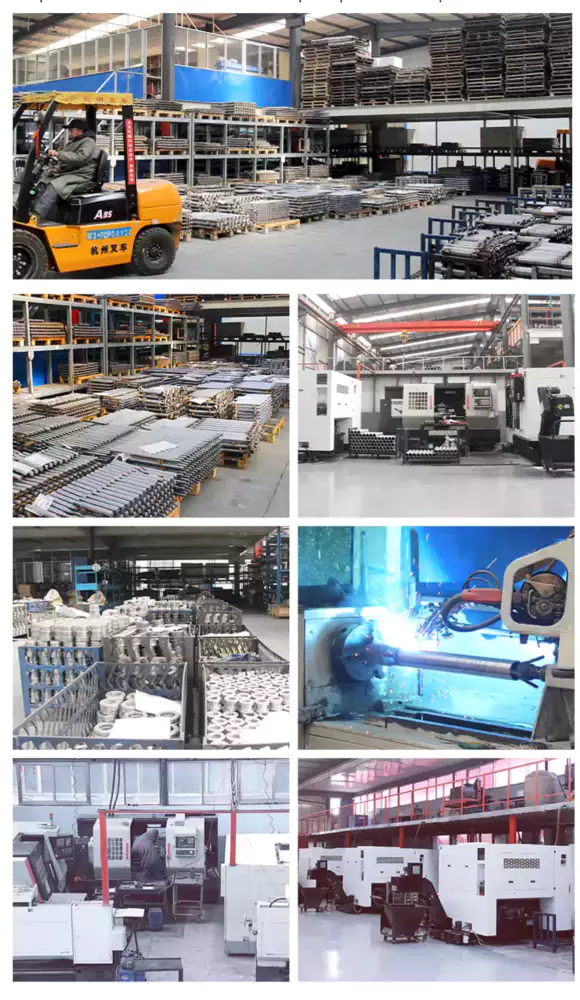
- High-Quality Products: We offer spiral gears that meet the highest quality standards.
- Customization Options: Our gears can be customized to meet your specific requirements.
- Technical Expertise: Our team of experts has extensive knowledge and experience in spiral gear production.
- Excellent Customer Service: We provide exceptional customer service and support throughout the entire process.
- Competitive Pricing: Our products offer great value for money, ensuring cost-effectiveness.
Q&A
- What materials are commonly used for spiral gear production?
- Can spiral gears be used in high-speed applications?
- Are spiral gears suitable for heavy-load applications?
- What are the advantages of double helical gears over helical gears?
- How often should spiral gears be inspected for maintenance purposes?
Author: Dream