sprocket gear testing procedures

Sprocket Gear Testing Procedures and Sprocket Gear Relationship
Introduction to Sprocket Gear Testing Procedures
Sprocket gears are critical components in various machinery and equipment. Ensuring their quality and performance requires rigorous testing procedures. These procedures involve several steps and methodologies designed to assess the durability, accuracy, and overall functionality of the sprocket gears.
Visual Inspection
The first step in sprocket gear testing is a thorough visual inspection. This process helps identify any visible defects, such as cracks, wear, or misalignments. Using magnifying tools, inspectors can detect micro-cracks or other minor issues that might not be visible to the naked eye.
Dimensional Accuracy
Dimensional accuracy testing ensures that the sprocket gear meets the specified dimensions and tolerances. Precision measuring instruments, like calipers and micrometers, are used to verify that the gear’s teeth, pitch, and diameter conform to the design specifications.
Hardness Testing
Hardness testing determines the material strength and resistance to deformation. Techniques such as Rockwell, Brinell, or Vickers hardness tests are employed to measure the hardness of the sprocket gear. This test ensures that the gear can withstand the operational stresses it will encounter.
Tensile Strength Testing
Tensile strength testing evaluates the maximum load the sprocket gear can endure before failure. This is crucial for applications where the gear will be subjected to significant forces. The test involves pulling the gear until it breaks, measuring the force applied and the gear’s elongation.
Fatigue Testing
Fatigue testing assesses how the sprocket gear performs under repeated stress cycles. This test simulates the operational conditions over an extended period to identify any potential failure points due to cyclic loading. It helps in predicting the gear’s lifespan and reliability.
Surface Finish Analysis
Surface finish analysis involves examining the gear’s surface for roughness and irregularities. A smooth surface finish is essential for reducing friction and wear during operation. Various instruments, such as profilometers, are used to measure the surface texture accurately.
Lubrication Performance Testing
Lubrication performance testing ensures that the sprocket gear can operate efficiently with the intended lubricants. This involves testing the gear in a lubricated environment to observe its behavior, friction levels, and any potential for lubricant degradation.
Vibration Analysis
Vibration analysis detects any abnormal vibrations that might indicate issues with the gear’s balance or alignment. Accelerometers and vibration sensors are used to capture vibration data, which is then analyzed to identify any abnormal patterns or frequencies.
Load Testing
Load testing subjects the sprocket gear to various loads to evaluate its performance under different operational conditions. This test helps in understanding the gear’s behavior under static and dynamic loads, ensuring it can handle the required operational stresses.
Correlation Between Sprocket Gear and Testing Procedures
Testing procedures are intrinsically linked to the sprocket gear’s design and application. Each test is designed to simulate real-world conditions and stressors that the gear will encounter, ensuring that only the highest quality gears are used in machinery and equipment.

Performance Characteristics of Sprocket Gears
- Durability: Sprocket gears are designed to withstand high operational stresses and prolonged use without significant wear.
- Precision: High dimensional accuracy ensures smooth operation and reduced friction.
- Strength: Materials with high tensile strength are used to prevent deformation under load.
- Efficiency: Optimized design and surface finish reduce energy loss due to friction.
- Adaptability: Sprocket gears can be tailored to specific applications and environmental conditions.
Types of Sprocket Gears and Their Properties
Sprocket gears come in various types, each suited for specific applications:
- Single-strand Sprockets: Used for light-duty applications, offering simplicity and ease of maintenance.
- Double-strand Sprockets: Provide higher strength and load capacity for medium-duty applications.
- Triple-strand Sprockets: Designed for heavy-duty applications, offering maximum strength and durability.
Different materials used in sprocket gears also offer distinct advantages:
- Steel: High strength, durability, and resistance to wear.
- Aluminum: Lightweight, corrosion-resistant, and suitable for lower load applications.
- Nylon: Low friction, self-lubricating, and ideal for quiet operation.

Applications of Sprocket Gears in Various Industries
- Automotive Industry: Used in timing chains, transmission systems, and powertrains to ensure efficient and reliable performance.
- Aerospace: Critical in control systems and landing gear mechanisms for precise and dependable operations.
- Marine Industry: Integral to propulsion systems and navigation equipment, providing durability in harsh environments.
- Energy Sector: Utilized in wind turbines and hydroelectric plants to convert mechanical energy into electrical power efficiently.
- Agricultural Equipment: Essential for driving various mechanisms in tractors and harvesters, ensuring productivity and reliability.
Future Trends and Opportunities in Sprocket Gear Industry
- Advanced Materials: Development of composite materials for enhanced strength and reduced weight.
- Precision Manufacturing: Integration of CNC and additive manufacturing for higher accuracy and customization.
- Sustainability: Focus on eco-friendly materials and processes to reduce environmental impact.
- Smart Gears: Implementation of sensors and IoT for real-time monitoring and predictive maintenance.
- Global Expansion: Increasing demand in emerging markets driving growth and innovation.

Choosing the Right Sprocket Gear
Selecting the appropriate sprocket gear involves several considerations:
- Clear Requirements: Define the operational needs and environmental conditions.
- Material Selection: Choose materials that offer the best balance of strength, durability, and cost.
- Design Optimization: Ensure the design meets the specific requirements for load, speed, and efficiency.
- Supplier and After-sales Service: Partner with reliable suppliers offering comprehensive support and service.
- Cost-effectiveness: Evaluate the total cost of ownership, including maintenance and lifecycle costs.
- Quality Control: Implement stringent quality checks to ensure the gear meets all specifications.

Maintenance of Sprocket Gears
Proper maintenance ensures the longevity and performance of sprocket gears:
- Regular Inspections: Conduct periodic checks to identify and address any wear or damage early.
- Cleaning and Corrosion Prevention: Keep gears clean and apply anti-corrosive treatments to prevent rust.
- Lubrication and Care: Use appropriate lubricants to reduce friction and wear.
- Replacing Worn Parts: Timely replacement of damaged components to avoid further damage.
- Upgrades and Improvements: Implement upgrades to enhance performance and adapt to new requirements.
Why Choose Ever Power
At Ever Power, we specialize in the production and sale of high-quality sprocket gears. Here are a few reasons to choose us:
- Expertise: With years of experience in the industry, we possess deep knowledge and technical skills to deliver top-notch products.
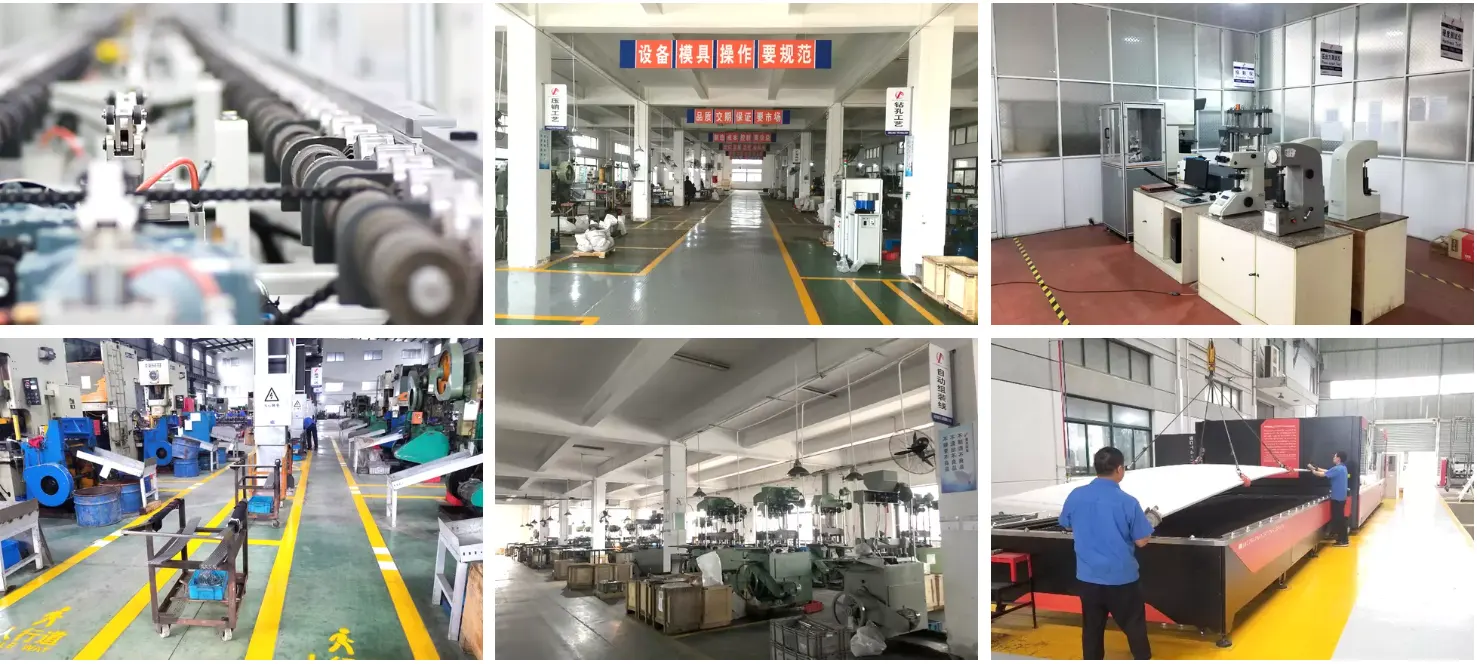
- Quality Assurance: Our rigorous testing and quality control processes ensure that every gear meets the highest standards.
- Customization: We offer tailored solutions to meet your specific needs and requirements.
- Global Reach: Our extensive distribution network ensures timely delivery and support worldwide.
- Customer Support: We provide exceptional after-sales service, including maintenance and technical assistance.
Frequently Asked Questions (Q&A)
- Q1: What are the main types of sprocket gears?
A1: Single-strand, double-strand, and triple-strand sprockets. - Q2: How often should sprocket gears be inspected?
A2: Regular inspections should be conducted periodically, depending on the operational conditions. - Q3: What materials are commonly used for sprocket gears?
A3: Steel, aluminum, and nylon. - Q4: Can sprocket gears be customized for specific applications?
A4: Yes, customization options are available to meet specific operational requirements. - Q5: What are the benefits of choosing Ever Power’s sprocket gears?
A5: Expertise, quality assurance, customization, global reach, and customer support.
Author: Dream