sprocket gear types

Sprocket Gear Types and Their Informational Relationship with Sprocket Gears
Introduction to Sprocket Gear Types
Sprocket gears are fundamental components in numerous mechanical systems, facilitating the transfer of rotary motion between parallel or non-parallel shafts. They are characterized by their toothed wheels, which engage with a flexible chain or belt to transmit power efficiently. Various sprocket gear types exist, each designed for specific applications and operational environments. Understanding these types is crucial for selecting the right sprocket gear for any given purpose.
Standard Sprockets
Standard sprockets are the most commonly used type in industrial applications. These sprockets are typically used in conjunction with roller chains to provide reliable and efficient power transmission. They come in several configurations, including simplex, duplex, and triplex, which refer to the number of chains they can accommodate. Standard sprockets are known for their durability and ease of maintenance.
Double Pitch Sprockets
Double pitch sprockets are designed with teeth that have twice the pitch of standard sprockets, allowing them to engage with double pitch chains. This design reduces the number of teeth, resulting in lighter and more cost-effective sprockets. Double pitch sprockets are ideal for low-speed and low-load applications where reducing weight and cost is a priority.
Taper Lock Sprockets
Taper lock sprockets feature a conical bore and a matching taper bush that fits tightly onto the shaft. This design allows for easy installation and removal without the need for special tools. Taper lock sprockets are widely used in applications requiring frequent maintenance or adjustments, as they provide a secure and precise fit while allowing for quick disassembly.
Idler Sprockets
Idler sprockets are not directly connected to the driving shaft but instead serve to guide or support the chain. They help maintain proper chain tension and alignment, ensuring smooth and efficient operation. Idler sprockets can be used in various configurations, including mounted on an adjustable bracket or a spring-loaded tensioner arm.
Engineering Class Sprockets
Engineering class sprockets are designed for heavy-duty applications, such as mining, construction, and material handling. They are built to withstand high loads and harsh operating conditions. These sprockets are often made from hardened steel or other high-strength materials to provide maximum durability and wear resistance.
Split Sprockets
Split sprockets are designed for easy installation and removal without dismantling the entire drive system. They consist of two halves that are bolted together around the shaft, making them ideal for applications where downtime and maintenance are critical considerations. Split sprockets are commonly used in conveyor systems and other continuous operation machinery.
Plastic Sprockets
Plastic sprockets are increasingly popular in applications where noise reduction, corrosion resistance, and lightweight are important factors. Made from materials such as nylon, acetal, or UHMW-PE, plastic sprockets offer excellent wear and chemical resistance. They are commonly used in food processing, pharmaceuticals, and other industries with stringent hygiene requirements.
Stainless Steel Sprockets
Stainless steel sprockets provide superior corrosion resistance and are ideal for applications in harsh environments, such as marine, chemical processing, and food manufacturing. These sprockets are available in various grades of stainless steel, each offering different levels of strength and corrosion resistance to suit specific needs.
Custom Sprockets
Custom sprockets are designed and manufactured to meet specific application requirements. They can be tailored in terms of material, size, tooth configuration, and other parameters to provide optimal performance. Custom sprockets are essential for unique or specialized machinery where standard sprockets may not be suitable.
Sprocket Gear Types and Their Informational Relationship with Sprocket Gears
Sprocket gear types are integral to understanding the broader category of sprocket gears. The term “sprocket gear” generally refers to the gears that interact with various types of chains and belts in mechanical systems. By categorizing these sprocket gears into different types, we can better understand their specific functions, advantages, and applications. This relationship is essential for selecting the appropriate sprocket gear type for any given scenario.

Sprocket Gear Performance Characteristics
Understanding the performance characteristics of sprocket gears is crucial for optimizing their use in various applications. Here are some key aspects:
- Durability: Sprocket gears are designed to withstand high loads and continuous use, making them highly durable.
- Efficiency: They provide efficient power transmission, minimizing energy loss and ensuring smooth operation.
- Versatility: Available in various materials, sizes, and configurations, sprocket gears can be used in a wide range of applications.
- Low Maintenance: Many sprocket gears require minimal maintenance, reducing downtime and operational costs.
- Customization: Custom sprocket gears can be designed to meet specific needs, providing optimal performance for unique applications.
Types of Sprocket Gears and Their Properties
Sprocket gears come in various types, each offering distinct properties and advantages. Here is an overview of common types:
- Standard Sprockets: Known for their durability and ease of maintenance, suitable for a wide range of industrial applications.
- Double Pitch Sprockets: Lightweight and cost-effective, ideal for low-speed and low-load applications.
- Taper Lock Sprockets: Easy to install and remove, providing a secure and precise fit.
- Idler Sprockets: Maintain chain tension and alignment, ensuring smooth operation.
- Engineering Class Sprockets: Designed for heavy-duty applications, offering maximum durability and wear resistance.
- Split Sprockets: Easy to install and remove without dismantling the drive system, ideal for continuous operation machinery.
- Plastic Sprockets: Offer noise reduction, corrosion resistance, and lightweight, suitable for industries with hygiene requirements.
- Stainless Steel Sprockets: Provide superior corrosion resistance, ideal for harsh environments.
- Custom Sprockets: Tailored to meet specific application requirements, providing optimal performance.

Applications of Sprocket Gears in Various Industries
Sprocket gears are widely used across multiple industries, each benefiting from their specific properties and performance characteristics. Here is an overview of their applications:
- Automotive Industry: Sprocket gears are used in timing systems, transmission systems, and other critical automotive components, ensuring reliable and efficient power transmission.
- Aerospace Industry: In aerospace applications, sprocket gears are used in control systems, landing gear mechanisms, and other essential components, providing precision and reliability.
- Marine Industry: Sprocket gears in marine applications ensure smooth operation of propulsion systems, anchor winches, and other critical components, offering corrosion resistance and durability.
- Energy Sector: In the energy sector, sprocket gears are used in wind turbines, hydroelectric systems, and other power generation equipment, providing efficient and reliable power transmission.
- Agricultural Equipment: Sprocket gears are essential in agricultural machinery, such as harvesters, tractors, and conveyors, ensuring efficient and reliable operation in demanding environments.
Future Trends and Opportunities in Sprocket Gear Products
The sprocket gear industry is continuously evolving, with new trends and opportunities emerging. Here are some future developments to watch for:
- Advanced Materials: The development of new materials, such as composites and advanced polymers, will offer enhanced performance and durability.
- Smart Sprocket Gears: Integration of sensors and IoT technology will enable real-time monitoring and predictive maintenance, improving reliability and efficiency.
- Energy Efficiency: Continued focus on energy-efficient designs will reduce power consumption and operational costs.
- Customization and Flexibility: Increased demand for custom sprocket gears will drive innovation in design and manufacturing processes, providing tailored solutions for specific applications.
- Sustainability: Emphasis on sustainable manufacturing practices and materials will contribute to environmentally friendly production processes.

How to Choose the Right Sprocket Gear
Selecting the right sprocket gear involves considering several factors to ensure optimal performance and reliability. Here are some key considerations:
- Identify Requirements: Clearly define the operational requirements, including load capacity, speed, and environmental conditions.
- Material Selection: Choose the appropriate material based on the application’s demands, such as stainless steel for corrosion resistance or plastic for lightweight.
- Design Optimization: Consider the sprocket gear’s design, including tooth configuration and pitch, to ensure compatibility with the chain or belt.
- Supplier and After-Sales Service: Select a reputable supplier that offers reliable after-sales support and services.
- Cost-Effectiveness: Evaluate the cost-effectiveness of the sprocket gear, balancing initial investment with long-term operational costs.
- Quality Control: Ensure the sprocket gear meets industry standards and undergoes rigorous quality control processes.

Maintenance of Sprocket Gears
Proper maintenance is essential to ensure the longevity and performance of sprocket gears. Here are some maintenance tips:
- Regular Inspection: Conduct regular inspections to identify signs of wear, misalignment, or damage.
- Cleaning and Corrosion Prevention: Keep sprocket gears clean and apply anti-corrosion treatments as needed.
- Lubrication and Care: Ensure proper lubrication to minimize friction and wear.
- Replacing Worn Parts: Replace worn or damaged components promptly to prevent further damage.
- Upgrades and Improvements: Consider upgrading to advanced sprocket gears with enhanced features and performance.
Why Choose Ever Power
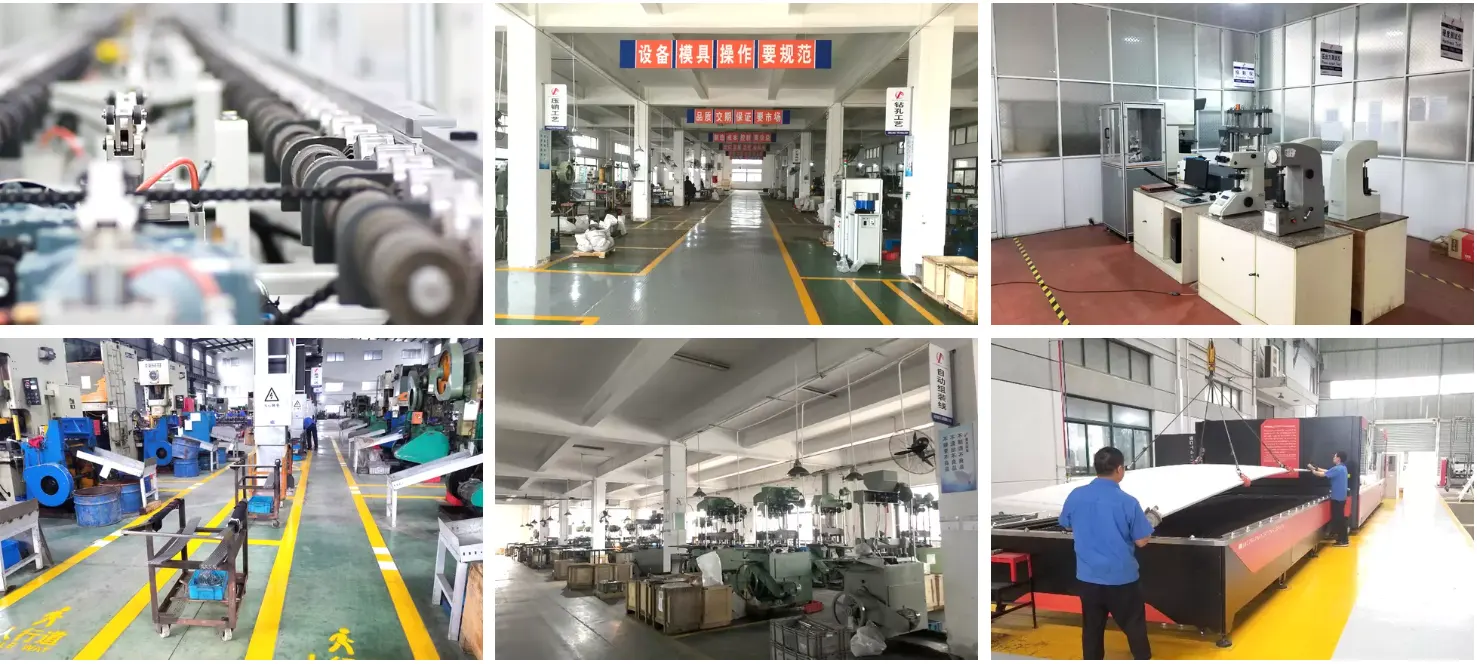
Ever Power is a leading manufacturer and supplier of high-quality sprocket gears. Here are some reasons to choose our products:
- Expertise: With years of experience in the industry, we offer expert knowledge and innovative solutions to meet your needs.
- Quality Assurance: Our sprocket gears are manufactured to the highest standards, ensuring reliable performance and durability.
- Customization: We provide custom sprocket gears tailored to your specific requirements, offering optimal solutions for unique applications.
- Comprehensive Support: Our dedicated support team offers comprehensive after-sales services, ensuring your complete satisfaction.
- Competitive Pricing: We offer competitive pricing without compromising on quality, providing cost-effective solutions for your business.
Q&A
Q1: What are the primary types of sprocket gears?
A1: The primary types include standard sprockets, double pitch sprockets, taper lock sprockets, idler sprockets, engineering class sprockets, split sprockets, plastic sprockets, stainless steel sprockets, and custom sprockets.
Q2: How do I choose the right sprocket gear for my application?
A2: Consider factors such as operational requirements, material selection, design optimization, supplier reliability, cost-effectiveness, and quality control.
Q3: What are the benefits of using plastic sprockets?
A3: Plastic sprockets offer noise reduction, corrosion resistance, and lightweight properties, making them suitable for hygiene-sensitive industries.
Q4: Why is regular maintenance of sprocket gears important?
A4: Regular maintenance ensures the longevity and performance of sprocket gears, preventing wear, misalignment, and damage.
Q5: What sets Ever Power apart from other sprocket gear manufacturers?
A5: Ever Power offers expertise, quality assurance, customization options, comprehensive support, and competitive pricing, making us a preferred choice for sprocket gears.
Author: Dream