symptoms of worn automobile gears

Symptoms of Worn Automobile Gears
Introduction
Automobile gears play a crucial role in the smooth functioning of a vehicle’s transmission system. Over time, these gears can wear out, leading to various symptoms. In this article, we will explore the symptoms of worn automobile gears and their relationship to the overall performance of an automobile gear.

Symptoms of Worn Automobile Gears
1. Unusual Noise: When automobile gears start to wear out, they often produce grinding or whining noises. These noises can indicate problems with the gear meshing or worn gear teeth.
2. Slipping Gears: Worn gears may cause the transmission to slip out of gear or make it difficult to engage properly. This can result in a loss of power and reduced control over the vehicle.
3. Vibration: Excessive vibration while driving can be a sign of worn automobile gears. This vibration can be felt through the steering wheel or the vehicle’s body.
4. Difficulty Shifting: Worn gears can make it challenging to shift gears smoothly. Drivers may experience resistance, grinding, or gear slippage while changing gears.
5. Fluid Leaks: Worn automobile gears can lead to leaks in the transmission fluid. These leaks are often visible as spots on the ground beneath the vehicle or around the transmission area.
6. Increased Fuel Consumption: When gears wear out, the transmission system may experience inefficiencies, resulting in increased fuel consumption.
7. Poor Acceleration: Worn gears can cause a delay in acceleration or a decrease in the vehicle’s overall performance. This can be especially noticeable when trying to accelerate quickly or climb steep inclines.
8. Overheating: If the gears are worn, the increased friction can generate excess heat, leading to overheating of the transmission system.
9. Gear Slippage: Worn gears may slip out of gear while driving, causing sudden loss of power and potentially dangerous situations.
10. Erratic RPM: Worn gears can cause the engine RPM to fluctuate unpredictably, resulting in a jerky or inconsistent driving experience.
Automobile Gear Performance Characteristics
Automobile gears possess several performance characteristics that contribute to the efficient functioning of a vehicle’s transmission system. These characteristics include:
1. High Torque Capacity: Automobile gears are designed to handle high levels of torque, ensuring smooth power transfer.
2. Low Noise and Vibration: Well-designed automobile gears minimize noise and vibration during operation, enhancing the overall driving experience.
3. Precise Gear Ratios: The precise gear ratios of automobile gears enable efficient power delivery and optimize engine performance.
4. Durability: Automobile gears are constructed using high-quality materials and advanced manufacturing techniques to ensure long-lasting performance.
5. Efficient Lubrication: Proper lubrication systems in automobile gears reduce friction and wear, prolonging the lifespan of the gears.

Types of Automobile Gears
There are various types of automobile gears, each with its own unique characteristics and advantages:
1. Spur Gears: Spur gears are the most common type of automobile gears and are known for their simplicity and efficiency.
2. Helical Gears: Helical gears offer improved load-bearing capacity and quieter operation compared to spur gears.
3. Bevel Gears: Bevel gears are used to transmit power between intersecting shafts and are commonly found in rear-wheel drive systems.
4. Worm Gears: Worm gears provide high reduction ratios and are often used in applications requiring large speed reductions.
5. Hypoid Gears: Hypoid gears are similar to bevel gears but have offset axes, allowing for more compact designs and increased torque capacity.
Applications of Automobile Gears
Automobile gears find extensive use in various areas, including:
1. Transmission Systems: Automobile gears are integral components of transmission systems, enabling the transfer of power from the engine to the wheels.
2. Drivetrain Systems: Gears are used in drivetrain systems to transmit power from the transmission to the wheels, ensuring smooth and efficient operation.
3. Steering Systems: Automobile gears play a crucial role in the steering system, assisting in the controlled movement of the wheels.
4. Power Steering Pumps: Gears in power steering pumps help generate the force required for easy steering, enhancing driver comfort.
5. Starter Motors: Gears are used in starter motors to engage and crank the engine, facilitating the ignition process.

Future Trends and Opportunities in Automobile Gears
The automotive industry is constantly evolving, and so are automobile gears. Some future trends and opportunities in this field include:
1. Lightweight Materials: The demand for lightweight automobile gears is increasing as it can improve fuel efficiency and reduce emissions.
2. Electric Vehicle Transmissions: With the rise of electric vehicles, there is a growing need for specialized automobile gears tailored for electric drivetrains.
3. Advanced Manufacturing Technologies: Advancements in manufacturing technologies, such as 3D printing, can lead to more precise and cost-effective production of automobile gears.
4. Integrated Gearbox Systems: Integrated gearbox systems, combining multiple functions into a single unit, can enhance overall efficiency and reduce space requirements.
5. Gearbox Automation: Automation technology can improve gear shifting speed and precision, resulting in smoother and more efficient gear changes.
Choosing the Right Automobile Gear
Choosing the correct automobile gear involves considering various factors, including:
1. Understanding Requirements: Analyzing the specific requirements and performance needs of the vehicle.
2. Material Selection: Selecting the appropriate gear material based on factors such as load-bearing capacity and durability.
3. Design Optimization: Optimizing gear design to ensure efficient power transmission and minimize noise and vibration.
4. Supplier and After-Sales Service: Working with reputable suppliers who offer reliable products and excellent after-sales support.
5. Cost-Effectiveness: Balancing the cost of the automobile gear with its performance and durability.
6. Quality Control: Ensuring strict quality control measures are in place to maintain consistent gear performance and reliability.

Maintenance of Automobile Gears
Proper maintenance of automobile gears is crucial for their longevity and optimal performance. Maintenance practices include:
1. Regular Equipment Inspection: Conducting regular inspections to identify any signs of wear or damage in the gears.
2. Cleaning and Corrosion Prevention: Keeping the gears clean and applying appropriate corrosion prevention measures to protect against rust and deterioration.
3. Lubrication and Maintenance: Ensuring proper lubrication of the gears and following maintenance schedules recommended by the manufacturer.
4. Replacement of Worn Parts: Promptly replacing any worn or damaged gear components to prevent further damage to the transmission system.
5. Improvements and Upgrades: Considering improvements or upgrades to the gear system to enhance performance and reliability.
Why Choose Us?
Author: Dream
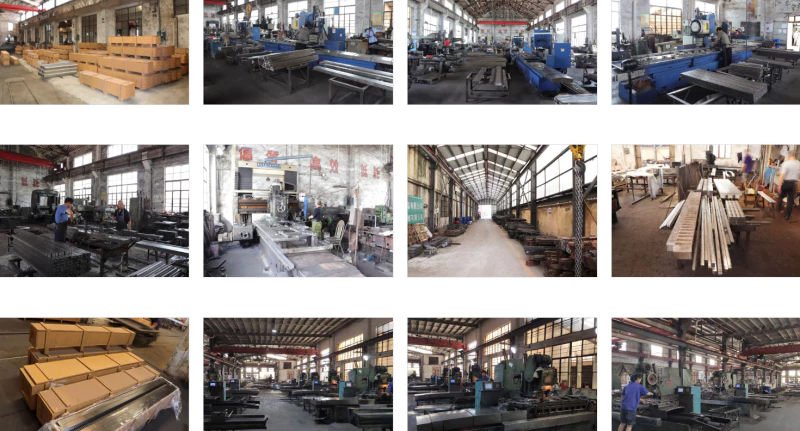
At our company, we specialize in the production and sale of high-quality automobile gears. Here are five reasons why you should choose our products and partner with us:
1. Superior Quality: Our automobile gears are manufactured using advanced techniques and premium materials to ensure exceptional durability and performance.
2. Customization Options: We offer customization options to meet specific requirements, allowing you to tailor the gears to your exact needs.
3. Expertise and Experience: With years of industry experience, our team of experts possesses the knowledge and skills to deliver top-notch automobile gears.
4. Timely Delivery: We understand the importance of timely delivery, and our streamlined processes ensure that your orders are fulfilled promptly.
5. Excellent Customer Support: We are committed to providing excellent customer support throughout the buying process and beyond, ensuring your satisfaction.
Q&A
1. Q: How often should automobile gears be inspected for wear?
A: It is recommended to inspect automobile gears for wear during regular maintenance intervals, typically every 30,000 to 50,000 miles.
2. Q: Can worn automobile gears be repaired?
A: In some cases, worn gears can be repaired by machining or replacing specific components. However, severe wear may require gear replacement.
3. Q: What are the consequences of ignoring worn automobile gears?
A: Ignoring worn automobile gears can lead to further damage to the transmission system, reduced vehicle performance, and potential safety hazards.
4. Q: Are all automobile gear types interchangeable?
A: No, different automobile gear types have specific applications and compatibility requirements. It is essential to choose the correct gear type for optimal performance.
5. Q: How can regular maintenance extend the life of automobile gears?
A: Regular maintenance, including proper lubrication, cleaning, and timely replacement of worn parts, can minimize wear and extend the lifespan of automobile gears.